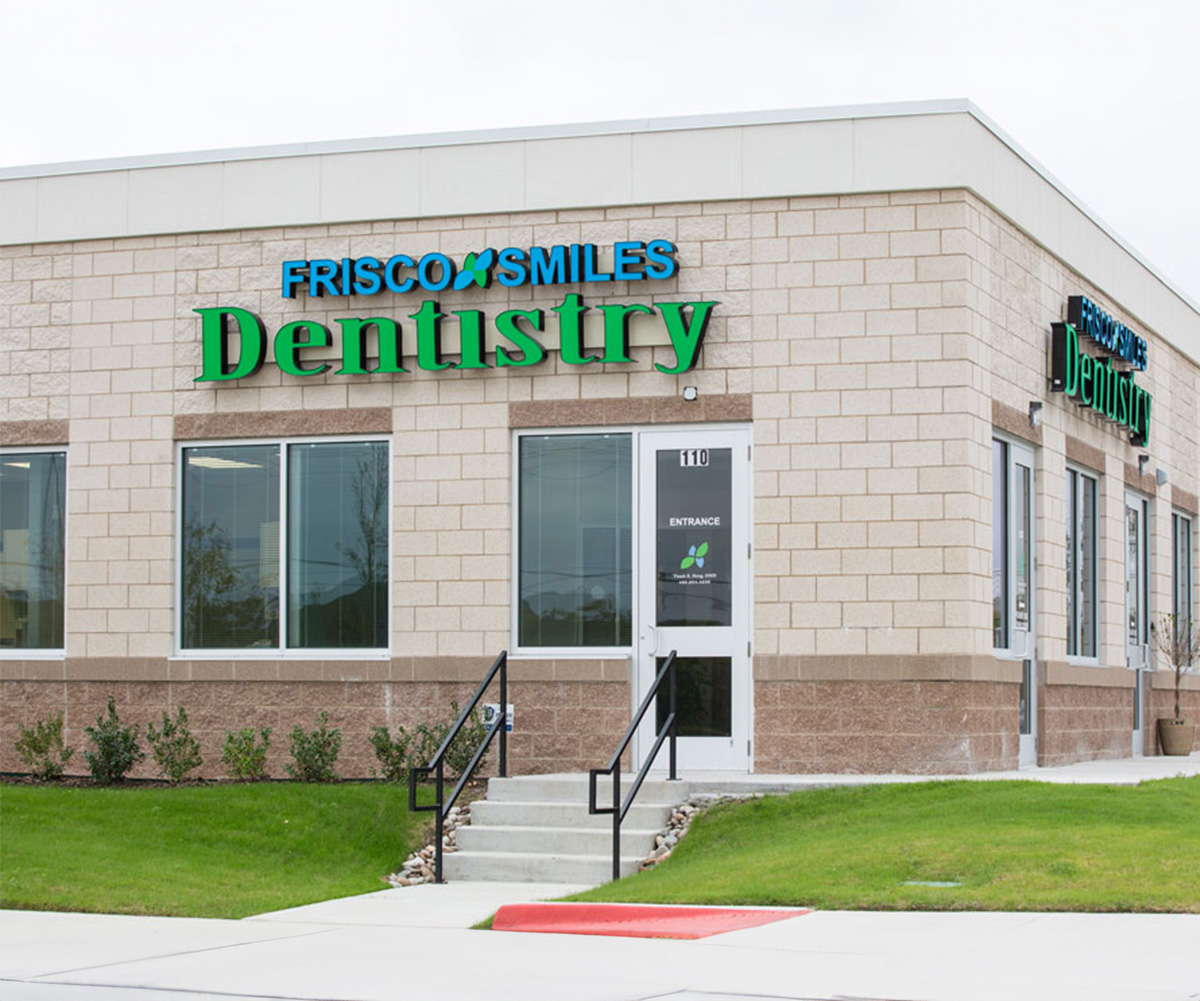
Our Office
Visit Us Online


As part of a pediatric dental program of preventive care, the dentist may recommend the application of dental sealants. These thin, plastic-like coatings painted onto the biting surfaces of the newly erupted permanent back teeth provide your child with an added level of protection through the cavity-prone years. Covering the pits, fissures and grooves in the hard to reach back teeth, dental sealants prevent decay-causing bacteria and food particles from accumulating in these vulnerable areas. Sealants may also be useful in areas of incipient dental decay to stop further damage from occurring.
The value of dental sealants is well documented. According to the American Dental Association, they reduce the risk of cavities in school-age children by approximately 80%. Furthermore, children who do not receive dental sealants develop almost three times more cavities than children who do have them.
Having a healthy smile is essential for your child’s comfort, function, self-image and overall well being. Good dental routines established in youngsters provide a strong foundation for maintaining a lifetime of optimal oral health.
Dental sealants are a preventive treatment that creates a protective coating over the chewing surfaces of molars and premolars to block out food particles and bacteria. The material flows into grooves and pits where a toothbrush cannot always reach, forming a smooth barrier that reduces the risk of decay in those vulnerable areas. Sealants are especially useful on newly erupted permanent teeth when enamel is still maturing and more susceptible to cavities.
The most common sealant materials are durable, tooth-colored resins that bond to enamel and harden to form a tight seal. Application isolates the tooth surface and includes a mild conditioning step so the material adheres reliably to the enamel. While highly effective on treated surfaces, sealants are one component of prevention and do not replace daily brushing and flossing.
Children and teens are frequent candidates because their newly erupted permanent molars have deep grooves that trap plaque and food, and brushing habits may still be developing. Patients of any age with deep fissures, a history of cavities on posterior teeth, or difficulty keeping back teeth clean may also benefit from sealants when enamel is intact. Your dentist will assess each tooth individually to determine suitability.
Certain medical or developmental conditions that limit effective home care can make sealants a higher priority for preservation of tooth structure. The decision to place a sealant is personalized, based on the tooth's anatomy, existing enamel health, and overall decay risk. If early decay into dentin is detected, alternative restorative care may be recommended instead of a sealant.
The ideal timing for sealants is soon after permanent molars erupt into the mouth so the protective benefit begins before decay can develop. The first set of permanent molars commonly appears around age six and the second set around age 12, so those milestone visits are good opportunities to evaluate for sealant placement. Placing sealants early helps protect teeth through the years when oral hygiene routines and diet may be inconsistent.
Routine dental exams allow the team to monitor eruption patterns and recommend sealants at the appropriate time for each child. If a primary molar has deep grooves and the child is at high risk of decay, clinicians may discuss interim strategies while permanent teeth develop. Ongoing education for caregivers about brushing, fluoride, and diet remains essential alongside sealant placement.
Sealants are often associated with pediatric care, but adults can benefit when posterior teeth have deep pits and fissures or when maintaining hygiene in the back of the mouth is difficult. Adults who have a history of cavities on molars or who have newly erupted wisdom teeth with deep fissures may be appropriate candidates for sealants. A clinical evaluation will determine whether existing enamel and tooth anatomy make a sealant advisable.
If a tooth already shows decay that extends into dentin, a restorative procedure such as a filling will usually be recommended instead of a sealant. For intact enamel with surface-level risk factors, sealants remain a conservative, noninvasive preventive option for patients across the lifespan. Regular recall visits are important to check sealant integrity and overall oral health.
During a sealant appointment at the office of Frisco Smiles Dentistry, the clinician will first perform an exam and clean the tooth to remove surface debris and plaque. The tooth is isolated and dried, then a mild conditioning solution is applied briefly to prepare the enamel and improve adhesion. After rinsing and drying again, the sealant resin is painted into the grooves and cured with a light to harden the material.
The procedure is quick, comfortable, and usually completed in a single visit without anesthesia for most patients. Once the material is set, the dentist or hygienist checks the bite and makes minor adjustments if necessary so the sealant feels natural. Follow-up checks at routine cleanings allow the team to confirm the sealant remains intact and functioning as intended.
Sealants are durable but not permanent; they often remain effective for several years and are monitored during routine dental visits. Over time sealants can wear down or chip from chewing forces, and a worn sealant can be repaired or replaced to restore protection without removing healthy tooth structure. The exact lifespan varies by material, tooth location, and individual chewing habits.
Maintenance primarily involves regular dental exams and cleanings so the clinician can inspect sealant condition and address any wear promptly. Good home care—twice-daily brushing with fluoride toothpaste and daily interdental cleaning—supports the longevity of sealants and overall oral health. If a sealant fails or decay is detected beneath it, the dental team will recommend the appropriate restorative approach.
Sealants significantly reduce the risk of cavities on the treated chewing surfaces but they are not a guarantee that cavities will never occur. Because sealants protect only the pits and fissures where they are applied, other surfaces such as between teeth remain vulnerable without proper hygiene and supplemental preventive measures. Sealants are most effective as part of a broader prevention strategy rather than as a standalone solution.
Combining sealants with fluoride treatments, consistent brushing and flossing, and routine professional care provides layered protection that dramatically lowers decay risk. Patient education about diet and oral hygiene further reduces the chance that new decay will develop. Your dental team will tailor recommendations to your individual risk profile to maximize protection.
Sealants are made from tooth-colored resin materials designed to bond safely to enamel and withstand normal chewing forces. These materials have an extensive track record in preventive dentistry and are applied using well-established protocols that minimize contamination and optimize adhesion. For most patients, sealant placement is a low-risk procedure with few side effects.
Allergic reactions to sealant materials are rare, but patients with specific material sensitivities should discuss concerns with their dentist so alternatives or precautions can be considered. Modern clinical techniques and careful isolation during placement help ensure a reliable, biocompatible outcome. If you have questions about the material used or potential risks, your dental team can explain the options and safety measures in detail.
Sealants serve as a targeted preventive measure that complements other cornerstone strategies such as fluoride therapy, routine cleanings, and effective home care. They address the specific problem of deep fissures on posterior teeth that are difficult to clean while other measures strengthen enamel and control bacterial activity. Together, these approaches create a multi-layered defense against tooth decay.
At Frisco Smiles Dentistry, our team evaluates each patient's risk factors, tooth anatomy, and oral health goals to recommend the most appropriate preventive mix. Education for patients and caregivers about brushing techniques, dietary habits, and recall scheduling is integral to maintaining protection over time. Regular monitoring allows the dental team to adapt the plan as a patient grows and risk factors change.
If you notice a rough edge, a visible chip, or a change in how a tooth feels when you bite, schedule an appointment so the sealant can be evaluated. Many sealant issues are detected during routine checkups before they lead to more serious problems, but if you experience persistent discomfort, contact your dental team promptly for assessment. The clinician will inspect the sealant and the underlying enamel to determine next steps.
Minor wear or small chips can often be repaired or replaced quickly to restore protection, while significant damage or decay beneath a sealant may require a different restorative treatment. Prompt attention helps preserve natural tooth structure and prevents progression of decay. Your dentist will explain repair options and recommend appropriate follow-up care based on the condition found.