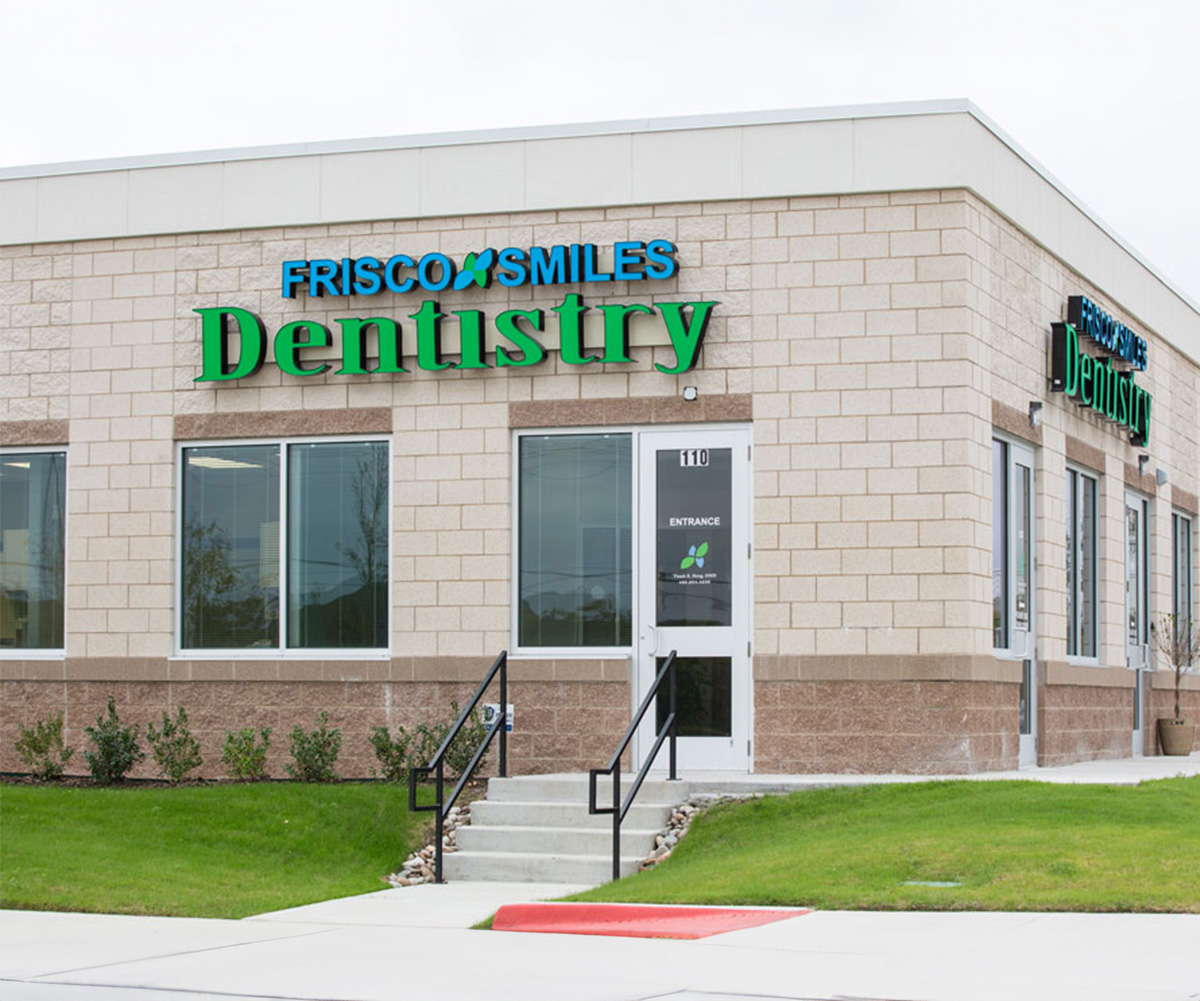
Our Office
Visit Us Online


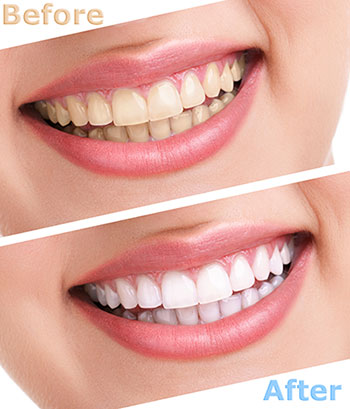
A teeth whitening procedure or bleaching simply refers to any process that will make the teeth appear whiter. It is considered a non-invasive procedure that is designed to whiten and brighten teeth that are stained, discolored, darkened, or yellowed. First introduced to the public in the 1980’s, the popularity of teeth whitening products and procedures has soared. According to a survey conducted by the American Academy of Cosmetic Dentistry, when respondents were asked, “What would you like to improve most about your smile?” The most common response was: whiter and brighter teeth.
How white a tooth appears depends upon how light is reflected and scattered off the enamel, the outermost layer of the tooth. Teeth can look dark or discolored for a variety of reasons, with an imperfect appearance the result of outer surface stains or discoloration from within the tooth. While external tooth stains are typically due to certain foods and tobacco, internal tooth discoloration is mainly the result of hereditary factors, certain medications, tooth decay, restorations, or trauma. Additionally, the aging process can influence the color of a tooth. This is because over time the outer layer of enamel becomes thinner showing more yellowish tones from the underlying layer of dentin.
What are the advantages of a professional teeth whitening procedure performed by a dentist?
Although over the counter teeth whitening systems purchased in stores or online have become popular, there are health concerns and limitations with these products. If the manufacturers protocol is not correctly followed, certain products can damage the teeth and soft tissues in the mouth, and may not deliver the results as promised. Teeth whitening systems contain varying concentration of either hydrogen peroxide or carbamide peroxide, which act as the bleaching agents. When sensitive teeth, exposed roots, cavities, broken fillings, cracked teeth, or loose dental work are present, a teeth whitening procedure may be contraindicated. Also, since whitening systems do not have an effect on the color of dental fillings, crowns or bridges the presence of restorations is an important cosmetic consideration in treatment planning.
In general, individuals with yellow tones to their teeth respond best to teeth whitening procedures. Brown and grayish tinted teeth bleach respond less well and may require significantly longer dentist supervised tooth whitening regimens or alternative cosmetic treatments. Finally, teeth whitening may not be recommended in the presence of sensitive teeth, worn enamel and significant gum disease.
As a rule the healthiest and most effective methods of teeth whitening are the ones managed and supervised by the dentist. An in-office teeth whitening procedure as performed by the dentist is the most reliable and safest way to get the maximum results quickly. In as little as one hour a prescription-strength, in-office whitening procedure can dramatically whiten and brighten the natural teeth by several shades, while the surrounding tissues and any sensitive areas of the teeth are carefully isolated and protected from the bleaching agents.
A home whitening system from the dentist along with custom trays that have been fitted to the teeth is also an excellent option. Custom trays keep the bleaching agent in maximum contact with the teeth and away from the other areas of the mouth. With a take-home teeth whitening system, maximum results are less rapid than an in office procedure and are typically achieved over a longer period of time. A home whitening system can be used by itself or as recommended by the dentist as a follow up to an in office procedure in order to perfect or maintain the results.
Professional teeth whitening is a dental procedure that uses regulated bleaching agents to lighten the natural color of tooth enamel. Treatments typically employ hydrogen peroxide or carbamide peroxide in concentrations and delivery methods that are not available in most over-the-counter products. A dental professional evaluates your oral health and selects the appropriate strength and application technique to achieve predictable, safer results.
Whitening works by allowing peroxide molecules to penetrate the enamel and break apart stain-causing compounds into smaller, less visible particles. The process can be delivered in a single in-office visit for rapid improvement or through a supervised at-home regimen using custom trays and professional gel. Because a clinician monitors the process, adjustments can be made to limit sensitivity and protect soft tissues during treatment.
Teeth discoloration arises from both external and internal factors that affect enamel and dentin over time. Extrinsic stains form on the surface and are commonly related to foods and beverages such as coffee, tea, red wine, and cola, as well as tobacco use and inadequate cleaning. Intrinsic discoloration develops within the tooth and can be linked to aging, certain medications, past dental trauma, or developmental conditions that alter enamel formation.
In addition to stains, natural enamel thinning reveals more of the underlying dentin which has a slightly yellow hue, contributing to a darker appearance with age. Identifying the type and source of discoloration is important because surface stains often respond well to whitening while deeper intrinsic stains may need stronger or alternative cosmetic solutions. A dental exam helps determine the most effective approach for each patient.
In‑office whitening delivers professional-strength bleaching agents under direct clinical supervision to produce more immediate results, often in a single visit or a short series of appointments. The dental team isolates soft tissues and can use activated systems when appropriate, which helps improve efficiency and reduces the risk of accidental gum irritation. This option is well suited for patients seeking a noticeable change quickly with close monitoring.
Take‑home trays provide a convenient, gradual approach using custom-fit appliances and professional‑grade gel supplied by the dentist. These kits combine the safety of clinician-selected materials with the flexibility to whiten on your own schedule, and progress is reviewed by the dental team to ensure effectiveness and manage sensitivity. Many patients choose take‑home trays for touch‑ups or for a gentler pace of whitening that fits their lifestyle.
A typical whitening visit begins with an assessment of your teeth and gums to confirm oral health and identify any conditions that should be treated before whitening, such as decay or exposed roots. The dentist or hygienist discusses your esthetic goals and explains the chosen protocol so you know what results to expect and how long the process will take. If you proceed, soft tissues are isolated to protect the gums and a professional bleaching agent is applied carefully to the tooth surfaces.
Depending on the system, the provider may perform one or more applications during the appointment and monitor your comfort throughout the procedure. After treatment you will receive aftercare guidance, including recommendations to minimize staining and manage any transient sensitivity. Follow‑up may be scheduled to evaluate shade change and determine whether additional sessions or at‑home maintenance are advisable.
Sensitivity is a fairly common, generally temporary response to whitening as peroxide agents can transiently affect the nerve endings within teeth. The degree and duration of sensitivity vary by individual and by the strength of the bleaching protocol, with most patients reporting mild symptoms that resolve within a few days. Dental teams anticipate this possibility and offer practical strategies to minimize discomfort before, during, and after treatment.
Management techniques include using lower concentration gels, adjusting application time, providing desensitizing toothpaste containing potassium nitrate or fluoride, and spacing treatments to allow recovery between sessions. In many cases, sensitivity is reduced by following the clinician’s instructions and by using recommended products for several days after whitening. If sensitivity persists, the dentist will reassess and recommend alternative pacing or cosmetic options to protect comfort and oral health.
Most adults with healthy teeth and gums who are looking to reduce common surface stains are good candidates for professional whitening, but an individualized evaluation is essential. The dentist will review your dental history, examine restorations, and check for conditions like active decay, gum disease, or enamel defects that should be treated before whitening is considered. Patients with extensive restorations or certain intrinsic stains may need alternative cosmetic treatments to achieve the desired result.
During a consultation the dental team will discuss realistic expectations based on the type and depth of discoloration, and outline which approach is likely to produce the best outcome. For patients with special concerns—such as a history of significant sensitivity, pregnancy, or young age—the clinician can recommend timing, gentler options, or deferral until a safer point. A tailored plan helps balance esthetic goals with long‑term oral health.
How long whitening results last depends on lifestyle habits, the original cause of discoloration, and the maintenance routine a patient follows after treatment. Surface stains from foods, drinks, and tobacco can gradually reappear, so minimizing exposure to staining substances and maintaining good oral hygiene helps prolong results. Periodic touch‑up treatments, either in the office or with at‑home trays, are commonly used to refresh shade over time.
Additional measures to preserve whiteness include regular professional cleanings to remove new surface buildup, using whitening toothpaste as recommended, and avoiding prolonged contact with highly pigmented foods and beverages in the initial 48 hours after treatment. Consistent home care and follow‑up visits allow the dental team to monitor shade stability and suggest maintenance strategies that suit your routine and esthetic goals.
Whitening treatments only alter the color of natural tooth structure and will not change the shade of crowns, veneers, fillings, or other restorations. As a result, restorations may become more noticeable if natural teeth are lightened significantly, creating a mismatch in appearance. It is important to discuss any visible restorations with your dentist so treatment can be coordinated to achieve a harmonious final result.
If restorations are present, the dentist may recommend whitening natural teeth first and then replacing or adjusting prosthetic materials to match the new shade, or selecting an alternative cosmetic approach if restorations cannot be easily modified. Planning this sequence in advance ensures that the overall smile appearance is balanced and that the patient understands the steps needed to maintain esthetic consistency over time.
Preparing for whitening starts with a professional dental examination and, when needed, routine care such as a cleaning or treatment of active dental issues to ensure a healthy foundation for cosmetic work. Discuss your dental history, any sensitivity or allergies, and current restorations with your provider so the chosen protocol is safe and appropriate. If you are receiving take‑home trays, the team will take impressions or scans to fabricate custom appliances that fit precisely.
On the day of an in‑office procedure, avoid staining foods and products and follow any pre‑appointment instructions provided by the dental team. Arrive with questions about aftercare, expected results, and timing for any follow‑up or touch‑ups so you leave the visit confident in the maintenance plan. Clear communication with your clinician helps set realistic expectations and supports a successful, comfortable outcome.
Our office is located at 2955 Eldorado Pkwy, Suite 110, Frisco, TX 75033, and we welcome patients seeking information about professional whitening and cosmetic options. A consultation begins with an evaluation of your teeth and gums, a discussion of your esthetic goals, and an explanation of recommended treatment paths based on the type of discoloration present. Scheduling an appointment allows the dental team to create a personalized plan that prioritizes safety and realistic results.
If you have specific concerns about sensitivity, restorations, or timing, bring those questions to the consultation so the clinician can tailor recommendations to your needs. The team will outline the steps involved in the chosen whitening approach and provide aftercare guidance to maximize results. An in‑office assessment is the best way to determine whether whitening or an alternative cosmetic treatment will meet your expectations.