Our Office
Visit Us Online


Frisco Smiles Dentistry combines modern materials and thoughtful treatment planning to restore teeth with care that looks as natural as it feels. Our approach emphasizes long-term function and a finished result that blends seamlessly with your smile. We focus on predictable techniques and the latest ceramic materials so patients can feel confident about their restorations.
Teeth are remarkably strong, but they’re not invulnerable. Deep decay, large fractures, root canal therapy, or years of wear from clenching and grinding can leave a tooth too compromised for a routine filling. In those situations, a full-coverage crown is often the best way to rebuild structure, protect the remaining tooth, and restore reliable chewing function.
Advances in dental ceramics mean crowns no longer need metal beneath the porcelain to be strong. All-ceramic restorations now match natural teeth in color and translucency while offering the durability required for daily use. Below, we explain when a crown is recommended, how ceramic options differ, and what to expect from diagnosis through long-term care.
A crown is a protective cap that fits over the entire visible portion of a prepared tooth. Dentists commonly recommend crowns when a tooth has lost too much natural structure for a filling to be reliable. Crowns restore shape and strength while shielding vulnerable tooth material from further damage.
Typical situations that lead to a crown include large cavities that undermine the tooth, a tooth that has split or cracked, or a tooth made fragile after root canal therapy. Teeth that serve as abutments for bridges or as the final restoration on an implant also usually receive crowns to provide stability and correct form.
Beyond structural concerns, crowns are a conservative way to improve function and appearance in certain cosmetic cases — for example, to correct a tooth that is misshapen or severely discolored when less invasive options aren’t suitable. Your dentist will weigh functional needs, aesthetic goals, and the tooth’s location to decide whether a crown is the right choice.
To rebuild a tooth with extensive decay or fracture
To replace a large or failed filling that no longer provides strength
To restore an implant or serve as an anchor for a bridge
To protect a tooth after root canal therapy
To address teeth weakened by wear, grinding, or bite issues

Ceramic crowns are prized for their lifelike appearance and compatibility with oral tissues. Unlike older restorations that relied on a metal framework, modern ceramics can mimic the way natural enamel transmits and reflects light. That results in restorations that are difficult to distinguish from real teeth, especially in the smile zone.
Biocompatibility is another advantage: ceramic materials are metal-free, which reduces the risk of allergic reactions or discoloration at the gumline that can occur with some metal-based options. Many ceramic systems are also highly resistant to staining, preserving an attractive appearance over time with routine care.
Strength has improved dramatically in recent years. New ceramic formulations offer durability suitable for both front and back teeth, and they can be bonded to the tooth for added support. The right ceramic for your situation balances aesthetics, strength, and the way your bite works — a choice best made with a thorough clinical evaluation.
Exceptional translucency and color matching for a natural look
Metal-free composition for improved tissue response and no dark margins
Durability suitable for many chewing surfaces when matched to the case
Stain resistance and long-lasting aesthetic stability with proper care
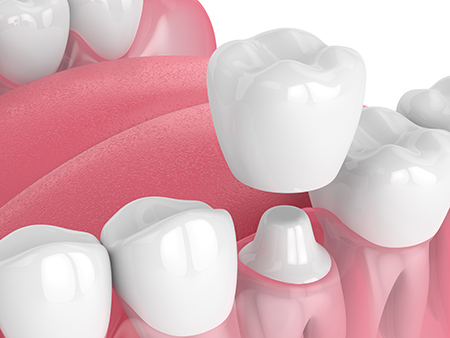
There isn’t a single ceramic that fits every situation. The choice depends on whether the tooth is in the front or back of the mouth, how much force it endures, and the degree of aesthetic matching required. Your dentist will assess these factors and recommend a material that balances appearance and function.
Lithium disilicate, leucite-reinforced porcelains, and modern zirconia variants each have different strengths. Lithium disilicate is often chosen for its excellent translucency and esthetics, making it a popular option for front teeth. Zirconia offers superior strength and is frequently used for molars or situations where the restoration must withstand higher bite forces.
Monolithic (solid) zirconia can be a durable choice when strength is paramount, while layered or high-translucency ceramics offer superior cosmetic blending. A properly selected ceramic, crafted either in a dental lab or via CAD/CAM milling, will provide a balance of durability and a natural appearance tailored to your smile.
Lithium Disilicate Porcelain Crowns
Leucite Reinforced Pressable Porcelain Crowns
Solid or Monolithic Zirconia
High Translucent Zirconia.

The pathway to a finished crown begins with a careful exam and discussion about your goals. Diagnostic records — including digital images and bite analysis — help the dentist determine how much tooth structure needs to be preserved and which material will offer the best long-term result.
To prepare a tooth for a crown, the dentist gently reduces the outer surface to create space for the prosthetic. Digital impressions or conventional impressions capture the tooth’s shape, and a temporary crown protects the prepared tooth while the final restoration is fabricated. Many practices now use in-office CAD/CAM technology to design and mill crowns for same-visit or expedited delivery when appropriate.
At the final appointment, the crown is tried in for fit, color, and bite. Minor adjustments can be made chairside so the restoration feels natural when you bite and chew. The crown is then permanently bonded or cemented, and the bite is checked again to ensure comfort and function.
Every step focuses on preserving healthy tooth structure and achieving an outcome that meets both functional demands and aesthetic expectations. Clear communication about the plan and what to expect at each visit helps patients feel prepared and involved in their care.
With proper home care and routine dental visits, ceramic crowns can provide many years of reliable service. Daily brushing, flossing around the crown margin, and regular professional cleanings help prevent decay at the crown’s edges and protect surrounding gums. Maintaining overall oral health supports the durability of any restoration.
If you grind or clench your teeth, a nightguard can reduce stress on crowns and neighboring teeth. Likewise, avoiding unusually hard habits (like opening packages with teeth) minimizes the risk of chipping. If you notice sensitivity, looseness, or an unusual bite after a crown is placed, contact your dentist promptly for an evaluation.
Periodic exams allow your dentist to monitor wear, assess the fit at the margin, and check for any changes in the opposing teeth that might affect the restoration. When crowns are planned as part of a broader restorative or cosmetic treatment, attention to bite alignment and supporting structures helps ensure consistent, predictable results.
At the end of the day, a ceramic crown is a long-term investment in a tooth’s function and appearance. With attentive care and routine follow-up, patients can enjoy a natural-looking restoration that supports chewing comfort and a confident smile.
If you’d like to learn more about ceramic crowns and which ceramic material may be right for your situation, please contact us for more information.

A ceramic crown is a custom-made dental restoration that caps a damaged or weakened tooth to restore its shape, strength and function. It covers the entire visible portion of a prepared tooth and is designed to match the surrounding teeth in color and contour. Because it is made from advanced ceramic materials, the restoration can mimic the light transmission and surface texture of natural enamel.
Ceramic crowns are metal-free, which improves compatibility with oral tissues and eliminates dark margins at the gumline that can occur with older metal-based restorations. They can be used for both cosmetic improvements and functional repair after decay, fracture or root canal therapy. Your dentist will recommend a crown when a less extensive restoration like a filling cannot reliably protect or restore the tooth.
A crown is recommended when a tooth has lost too much structure for a filling to restore reliably, such as when large cavities undermine the remaining tooth or when a tooth has significant fractures. Crowns are also commonly used to protect teeth after root canal therapy, to restore implants, and to serve as abutments for bridges. In these situations a crown offers full coverage and distributes biting forces more predictably than a filling.
Beyond structural needs, crowns are indicated when cosmetic concerns cannot be corrected with simpler treatments, for example when a tooth is severely discolored or misshapen. The decision to place a crown balances function, aesthetics and conservation of tooth structure. Your dentist will evaluate tooth integrity, bite relationships and long-term prognosis before recommending a crown.
Modern ceramic crowns are fabricated from all-ceramic materials that do not require a metal substructure, allowing the restoration to transmit and reflect light similarly to natural enamel. This results in superior translucency and color matching compared with traditional porcelain-fused-to-metal (PFM) crowns, which can show a dark metal margin at the gumline over time. Ceramic materials are also biocompatible and less likely to cause tissue discoloration or allergic reactions related to metal alloys.
Strength profiles have improved with contemporary ceramics, so many ceramic systems now tolerate the forces of chewing when selected appropriately. There are still clinical situations where a metal-supported restoration may be considered for its particular mechanical properties, but the range of cases that can be treated with metal-free ceramics continues to grow. Your dentist will explain the benefits and limitations of each option as they relate to your mouth and bite.
Several ceramic systems are commonly used for crowns, each offering a different balance of aesthetics and strength. Lithium disilicate is valued for excellent translucency and is frequently chosen for front teeth where appearance is paramount, while leucite-reinforced porcelains provide attractive optical properties for certain cosmetic cases. Zirconia and high-translucency zirconia are known for superior strength and are often selected for posterior restorations or when greater load resistance is needed.
Ceramics can be delivered as monolithic (solid) restorations or as layered restorations where an esthetic porcelain is placed over a stronger ceramic core. CAD/CAM milling and modern lab techniques allow precise fabrication and consistent results regardless of material choice. Your dentist will recommend a specific ceramic based on tooth location, bite forces and the level of aesthetic matching required.
The process begins with a thorough examination and diagnostic records, which may include digital images and bite analysis to plan how much tooth structure must be preserved. The tooth is prepared by gently reducing its outer surface to create space for the crown, and impressions or digital scans are taken to capture the precise shape of the prepared tooth. A temporary crown protects the tooth while the final restoration is fabricated either by a dental laboratory or in-office using CAD/CAM milling technology.
At the delivery appointment the crown is tried in for fit, shade and occlusion, and small adjustments are made chairside to ensure comfort when biting and chewing. Once fit and appearance are confirmed, the crown is permanently bonded or cemented and the bite is checked again to prevent high spots. Clear communication about postoperative care and follow-up allows the restoration and surrounding tissues to be monitored over time.
Caring for a ceramic crown follows the same basic principles as caring for natural teeth: brush twice daily with a fluoride toothpaste, floss daily around the crown margin, and attend regular professional cleanings and exams. Good oral hygiene prevents decay at the crown margins and helps maintain healthy gum tissue that supports the restoration. Periodic dental visits also allow your dentist to assess wear, check the fit at the margin and identify issues early.
Protective measures reduce risk of damage: if you grind or clench your teeth, a custom nightguard can lower stress on crowns and neighboring teeth. Avoid using teeth for non-dental tasks and minimize chewing on unusually hard items to prevent chipping. If you notice sensitivity, looseness, an unusual bite or discomfort after crown placement, contact your dental office promptly for evaluation.
Ceramic crowns can be suitable for posterior teeth when the material and restoration design are matched to the functional demands of the mouth. High-strength zirconia and other reinforced ceramics are commonly used for molars because they offer excellent resistance to fracture and wear under heavy occlusal loads. The clinician will evaluate your bite, opposing teeth and any parafunctional habits such as bruxism to determine whether a ceramic option is appropriate.
In some cases the restoration may be designed as a monolithic zirconia crown for maximum durability, or a layered solution may be chosen when additional aesthetic blending is necessary. A thorough clinical assessment ensures the chosen material balances strength and appearance for long-term performance. Your dentist will explain the trade-offs and recommend a plan that protects function while achieving a natural-looking result.
It is common to experience mild sensitivity or soreness around the prepared tooth and surrounding gums for a few days after the procedure, especially as local anesthesia wears off. Over-the-counter pain relievers and avoiding very hot or cold foods temporarily can help manage any discomfort. If a significant bite adjustment is needed, returning to the office for a quick modification usually resolves sensitivity related to occlusion.
More persistent or severe pain, a loose crown, or prolonged swelling should prompt a prompt evaluation by your dentist to rule out complications such as an improper fit, cement washout or underlying infection. Routine follow-up visits allow the clinician to verify the crown is functioning well and to address any concerns early. Clear communication with your dental team ensures a smooth recovery and predictable long-term results.
The lifespan of a ceramic crown depends on material selection, the quality of the restoration and bonding, the amount of remaining tooth structure and the patient’s oral hygiene habits. Occlusal forces, opposing dentition and parafunctional activities like grinding also play a significant role in wear and fracture risk. Proper design, accurate fit at the margins and meticulous cementation or bonding contribute to long-term success.
Regular dental checkups allow monitoring for marginal breakdown, recurrent decay at the crown margin or wear of opposing teeth that could compromise the restoration. Avoiding harmful habits such as chewing on hard objects and wearing a protective nightguard when indicated reduces the likelihood of premature failure. When problems are identified early, repairs or adjustments can often extend the service life of the crown.
At Frisco Smiles Dentistry the selection process begins with a comprehensive clinical exam, digital records and a discussion of your aesthetic goals and functional needs. The dentist evaluates tooth position, color matching requirements, amount of remaining tooth structure and bite dynamics to recommend the ceramic that best balances strength and appearance. If needed, diagnostic models or digital simulations help visualize the final result and inform material choice.
The practice also considers fabrication methods—custom laboratory artistry versus in-office CAD/CAM milling—when planning the restoration to ensure precision and consistent shading. Treatment planning includes steps to protect adjacent teeth and optimize occlusion so the crown integrates smoothly with your smile. Clear explanations about options and expected outcomes help patients make informed decisions and participate in selecting the best restoration for their situation.