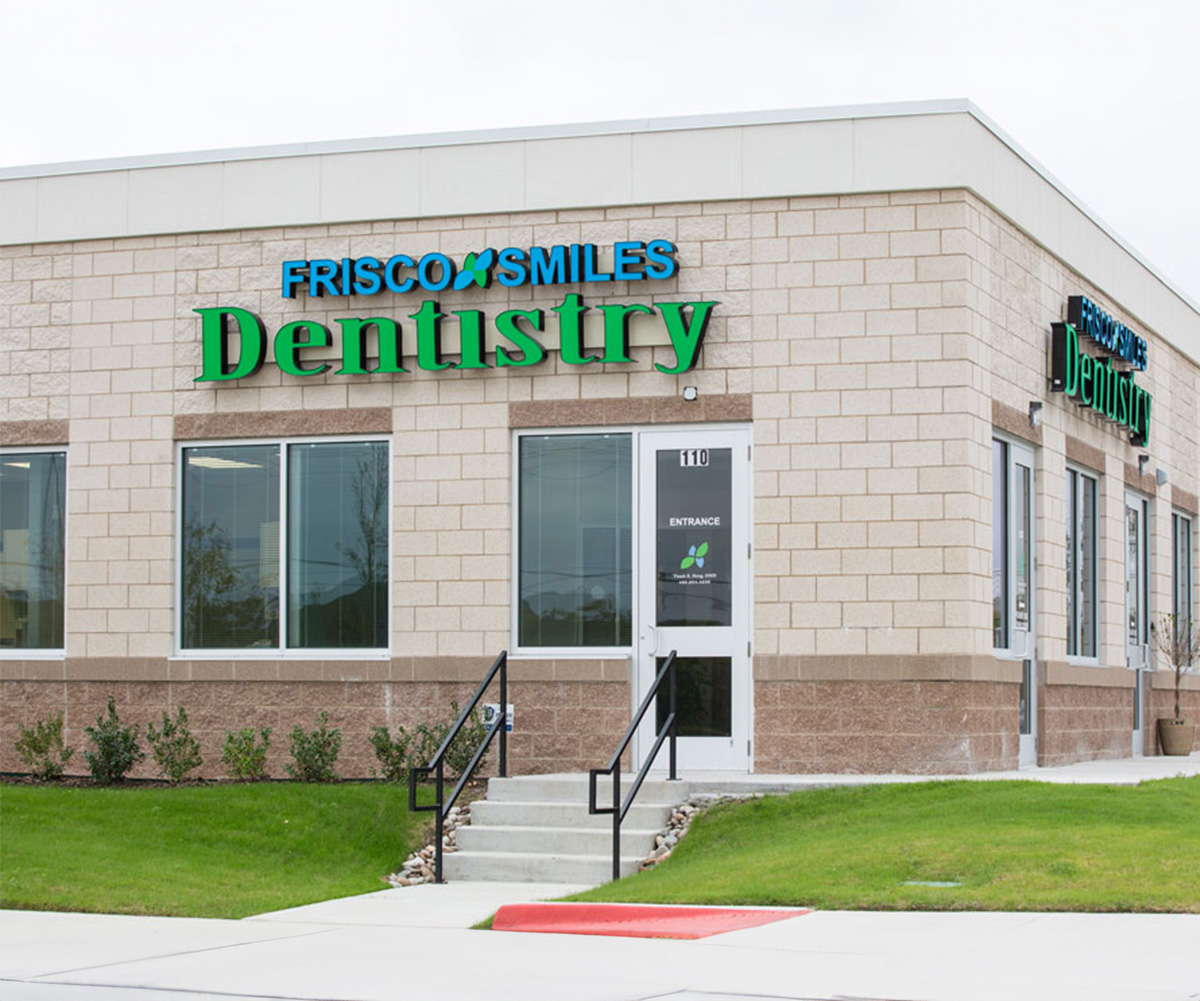
Our Office
Visit Us Online


A confident smile shapes the way people perceive you — it affects first impressions, social interactions, and how you feel about yourself. When teeth look and function the way they should, smiling becomes effortless and natural. Cosmetic dentistry focuses on improving the appearance of teeth and gums while preserving oral health, giving patients both aesthetic and functional benefits.
Many adults notice small imperfections that erode their confidence: staining from foods or medications, chips and wear from years of use, minor gaps, or teeth that are slightly misaligned. These issues are common, and modern cosmetic dentistry offers predictable, minimally invasive options to address them. With thoughtful planning, a patient’s smile can be refreshed to look healthier, more balanced, and in harmony with their facial features.
Choosing cosmetic care is about more than appearance — it’s about how your smile supports everyday activities like speaking, laughing, and eating. Aesthetic improvements are most successful when they are coordinated with the underlying bite and oral health. That means cosmetic work should be planned with attention to function as well as form so results are comfortable and long-lasting.
Every cosmetic plan begins with a careful evaluation. We listen to what matters most to you — whether you want whiter teeth, subtle reshaping, or a complete smile transformation — then combine that input with clinical findings to design a personalized approach. This collaborative process helps ensure the final result feels authentic and suits your lifestyle.
At Frisco Smiles Dentistry, our goal is to help patients make confident choices about their smiles by explaining options clearly and showing realistic outcomes. We emphasize conservative, evidence-based treatments that enhance appearance while supporting oral health for the future.

Good cosmetic dentistry blends scientific principles with an eye for proportion, color, and symmetry. That means matching tooth shape and shade to your facial features, considering how light reflects from teeth, and ensuring restorations sit harmoniously within the smile line. Attention to these details creates results that look natural rather than “done.”
Advances in dental materials and digital tools give clinicians more predictable control over color and contour than ever before. High-strength ceramics, lifelike composite resins, and digital imaging allow us to preview changes and craft restorations that mimic natural tooth structure. These technologies also help conserve healthy tooth tissue whenever possible.
Patient comfort and safety are central to our process. Before any aesthetic procedure, we address underlying oral health concerns — such as cavities or gum disease — so cosmetic work has a healthy foundation. This two-step approach supports both beauty and function over the long term.
Cosmetic treatments span a wide range, from quick in-office whitening to more comprehensive smile makeovers. The right solution depends on the nature of the concern, the condition of the teeth, and the patient’s goals. Some procedures focus on surface appearance, while others restore structure and alignment for a more dramatic change.
Conservative options are often the first consideration. Minimally invasive treatments such as professional whitening, tooth-colored bonding, and enamel reshaping can produce meaningful change with little to no removal of healthy tooth material. When more extensive correction is needed, veneers and crowns offer durable, aesthetic improvements that also strengthen compromised teeth.
Every treatment carries its own indications, benefits, and limitations. We encourage patients to explore realistic visual examples and treatment timelines so they can make informed decisions. A thoughtfully chosen plan balances expectations with long-term oral health.
Bonding uses tooth-colored composite to repair small chips, close narrow gaps, or mask surface discolorations. It is a conservative option that preserves most of the natural tooth while delivering immediate visual improvement. The material is sculpted directly on the tooth and polished to blend with surrounding enamel.
Bonding procedures are typically completed in a single visit and can be an excellent first step for patients seeking subtle enhancement without irreversible changes. Proper care and routine dental maintenance help bonded restorations stay attractive for years.
Modern composite fillings and ceramic restorations repair decay or damage while matching the natural shade of adjacent teeth. These materials bond to the tooth and can be shaped to restore natural contours, improving both look and function. Metal-free options remove the visual distraction of traditional alloys.
Selecting the right restorative material depends on the size of the repair and the forces the tooth will endure. We discuss the pros and cons of each approach so patients understand how restorations will perform over time.
Clinical whitening systems provide controlled, predictable lightening of tooth enamel under dentist supervision. Compared with over-the-counter products, professional whitening offers deeper, safer, and more consistent results tailored to each patient’s sensitivity profile and desired shade.
Whitening is often the simplest way to refresh a smile and can be combined with other cosmetic treatments to achieve a cohesive result. We outline realistic expectations and aftercare to preserve brightness for as long as possible.
Veneers are ultra-thin ceramic shells bonded to the front of teeth to correct shape, color, and alignment issues. When crafted with care, porcelain veneers provide a highly aesthetic outcome that is resistant to staining and mimics the light behavior of natural enamel.
This option is ideal for patients seeking a coordinated, long-term improvement across several teeth. Treatment begins with planning and mock-ups so patients can preview the proposed result before any irreversible steps are taken.
When a tooth requires structural rebuilding due to extensive decay, fracture, or wear, a full-coverage crown can restore form and function. Contemporary ceramic crowns combine strength with outstanding esthetics, allowing severely damaged teeth to blend seamlessly with the rest of the smile.
Crowns also play a role in comprehensive cosmetic plans when color or shape correction cannot be achieved by more conservative means. We evaluate each case to choose the most appropriate material and design.

Loss of one or more teeth affects more than appearance — it alters chewing mechanics and can change how surrounding teeth align. Restorative choices that address missing teeth also contribute to a cosmetic outcome by preserving facial support and maintaining a balanced smile.
Options range from removable prosthetics to fixed solutions such as bridges and dental implants. Implant-based restorations provide a stable, long-term replacement that behaves much like a natural tooth root, supporting bone health and offering excellent aesthetic potential when designed to match neighboring teeth.
Selecting the best replacement method depends on oral health, bone volume, and individual goals. We review each approach in detail and coordinate restorative work with any needed cosmetic refinements so the finished smile looks and functions as a unified whole.

A successful cosmetic outcome combines patient expectations, clinical expertise, and careful long-term planning. During a cosmetic consultation, we assess oral health, evaluate bite relationships, and discuss the sequence of treatments that will produce the best aesthetic and functional result. This staged approach helps minimize surprises and supports durable improvements.
Education is part of every visit: we explain maintenance strategies, realistic timelines, and how different treatments work together. Good at-home care and regular professional follow-up are essential to preserve cosmetic results and protect overall oral health.
Frisco Smiles Dentistry stays current with advances in materials and technique so patients benefit from options that balance beauty with biological soundness. Our focus is to deliver smiles that look natural, feel comfortable, and stand the test of time.
Summarizing, modern cosmetic dentistry offers a spectrum of treatments that can address staining, chips, gaps, wear, and missing teeth while supporting long-term oral health. If you’re curious about which options might suit your smile, please contact us for more information or to schedule a personal consultation.

Cosmetic dentistry focuses on improving the appearance of teeth and gums while preserving long-term oral health. Treatments range from simple surface whitening to restorative procedures that correct shape, alignment, and color for a more harmonious smile. The goal is to create results that look natural and support everyday functions like speaking and chewing.
A comprehensive cosmetic plan begins with a clinical evaluation to identify underlying issues that could affect outcomes. By combining aesthetic goals with attention to bite relationships and oral health, clinicians can design solutions that are both attractive and durable. Patients receive guidance on realistic expectations and the sequence of treatments needed to reach their objectives.
Dentists evaluate a patient’s oral health, bite alignment, tooth structure, and personal goals to determine the best treatment path. This assessment includes checking for cavities, gum disease, wear patterns, and the amount of enamel available for conservative procedures like bonding or veneers. Clinicians also consider facial proportions and how proposed changes will interact with surrounding teeth.
Patient input is central to planning, so providers discuss desired outcomes, timeframes, and the trade-offs between conservative and more extensive options. Digital imaging and mock-ups are often used to preview results and refine the plan before irreversible steps are taken. The final recommendation balances aesthetics, function, and long-term preservation of healthy tooth tissue.
Minimally invasive cosmetic options include professional whitening, tooth-colored bonding, and enamel reshaping, each of which preserves most natural tooth structure. Whitening safely lightens enamel under professional supervision to reduce sensitivity and achieve predictable results. Bonding uses composite resin to repair chips, close small gaps, and mask discoloration in a single visit with little to no removal of tooth material.
Enamel reshaping involves modest contouring to improve symmetry or correct minor irregularities and is often combined with bonding for more complete refinement. These conservative treatments can produce meaningful visual improvements with limited downtime. For many patients they are a practical first step before considering longer-term restorations.
Veneers are ultra-thin ceramic shells bonded to the front surface of teeth to change color, shape, or minor alignment issues, while crowns cover the entire visible tooth to restore strength and form. Veneers are indicated when the underlying tooth is structurally sound but needs aesthetic refinement, whereas crowns are chosen for teeth with significant decay, large restorations, or extensive wear. Both options can deliver highly aesthetic outcomes but require different amounts of tooth preparation.
Treatment planning includes mock-ups and shade selection so patients can preview proposed changes before permanent work begins. Dentists evaluate occlusion and functional stresses to ensure the chosen restoration will perform well over time. Preservation of healthy tooth structure and realistic expectations are emphasized when recommending either option.
A cosmetic consultation typically starts with a thorough oral exam, radiographs as needed, and a discussion of your concerns and smile goals. The dentist evaluates gum health, tooth wear, alignment, and restorative needs to create a coordinated plan that addresses both appearance and function. Expect a review of possible treatments, sequences, and the biological considerations that influence long-term success.
At the office of Frisco Smiles Dentistry, clinicians often use digital imaging or mock-ups to show potential outcomes and help patients visualize final results. You will be informed about maintenance requirements and follow-up care necessary to preserve cosmetic work. The consultation is collaborative, allowing you to ask questions and refine the plan before committing to treatment.
Digital photography, intraoral scanning, and computer-aided imaging enable clinicians to document the current smile and create realistic previews of proposed changes. These technologies help with precise shade selection, design of veneers or crowns, and communication between the dentist and dental laboratory. Digital workflows often reduce guesswork and improve predictability by allowing adjustments to shape and proportion before fabrication.
Advances in dental ceramics and composite resins provide lifelike optical properties that mimic natural enamel and resist staining. High-strength materials are chosen based on the location of the tooth and functional demands to balance esthetics with durability. Together, digital planning and modern materials support conservative preparation and more accurate, consistent results.
Yes, well-planned cosmetic dentistry addresses both form and function so improvements do not compromise bite stability or comfort. Procedures like crowns, onlays, and properly designed veneers can restore worn or fractured teeth and re-establish appropriate occlusal contacts. Correcting tooth position or shape can also reduce uneven forces that contribute to sensitivity, wear, or jaw discomfort.
Before performing cosmetic work, clinicians assess bite relationships and may stage treatments to ensure functional harmony. In some cases orthodontic or restorative adjustments are recommended prior to aesthetic refinements to optimize long-term results. Ongoing maintenance and routine examinations help monitor function and protect cosmetic outcomes.
Replacing missing teeth is important for both appearance and oral function, and cosmetic planning integrates restorative options to achieve a unified smile. Solutions can include fixed bridges, implant-supported crowns, or removable prosthetics, with the selection based on bone health, adjacent tooth condition, and patient preferences. Implant-based restorations are often favored for their stability and ability to preserve jawbone, resulting in natural-looking outcomes.
The restorative sequence is coordinated so replacements match neighboring teeth in color, shape, and position, which may involve additional cosmetic refinements such as veneers or whitening. Clinicians evaluate tissue contours and occlusion to ensure the replacement supports facial structure and chewing mechanics. Clear communication about timelines and follow-up care helps patients understand the steps required for a lasting result.
The longevity of cosmetic restorations depends on the material used, the location in the mouth, oral hygiene, and habits such as grinding or chewing hard foods. With proper home care and regular professional checkups, many restorations provide years of service, but they are not immune to wear, staining, or accidental damage. Regular examinations allow the dentist to monitor margins and contacts and address minor issues before they become larger problems.
Maintenance commonly includes routine cleanings, nightly protection for patients who grind their teeth, and avoidance of habits that stress restorations. When repairs or replacements are needed, early intervention often simplifies treatment and preserves remaining tooth structure. Your dentist will provide a personalized maintenance plan based on the specific restorations and your oral health needs.
Cosmetic dentistry is generally safe when performed after a thorough evaluation and when oral health issues are addressed first. Potential risks vary by procedure and can include temporary sensitivity after whitening, the need for future repair or replacement of restorations, and, in some cases, removal of small amounts of enamel for veneers or crowns. Understanding these risks and selecting conservative options when appropriate helps minimize long-term complications.
Clinicians mitigate risks by treating active decay or gum disease before aesthetic work and by using diagnostic tools to plan precisely. Open communication about goals, alternatives, and realistic outcomes ensures patients can make informed decisions. Regular follow-up and adherence to maintenance recommendations further reduce the likelihood of adverse events and support lasting results.