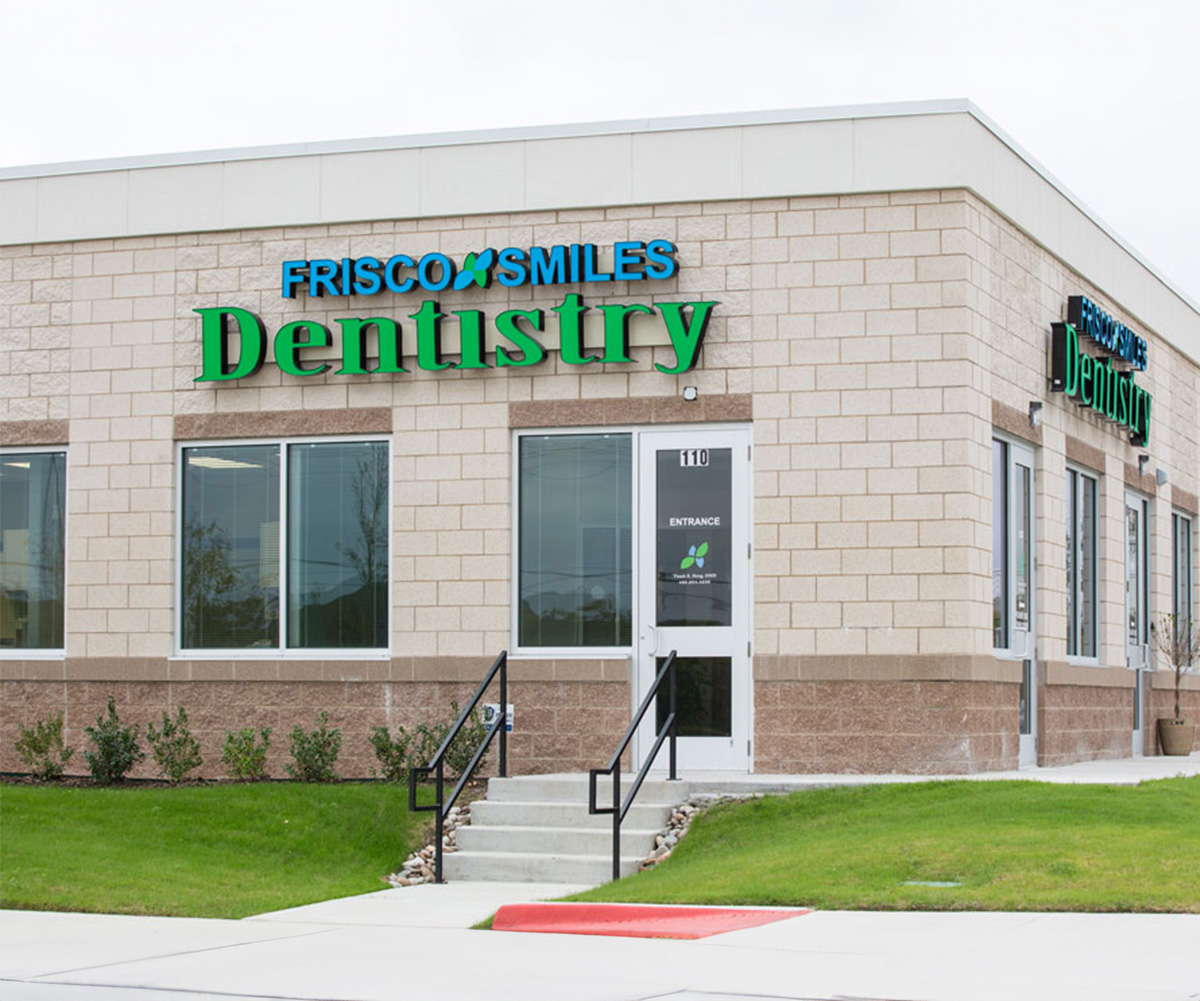
Our Office
Visit Us Online


Professional dental cleanings are a foundational part of keeping teeth and gums healthy. Daily brushing and flossing are essential, but even the most careful home-care routine can miss hardened deposits and bacterial film that form where toothbrush bristles and floss can’t reach. Regular, thorough cleanings performed by a licensed dental hygienist remove those stubborn deposits, refresh your mouth, and create an opportunity for early detection of problems before they become more complex.
At first glance, a dental cleaning may look like a cosmetic refresh — and polishing does brighten the smile — but the clinical value goes much deeper. Plaque is a soft, sticky layer of bacteria; left unchecked, it mineralizes into tartar (calculus), a hardened substance that bonds to enamel and can only be removed by a professional. Tartar buildup fosters more bacterial growth and increases the risk of cavities and inflammation of the gums.
Removing plaque and tartar reduces the bacterial load in the mouth, which lowers the chance of developing both localized problems (like cavities and periodontal disease) and related inflammation. Research has also established associations between chronic oral inflammation and broader health concerns; keeping gum disease in check is part of supporting whole-body wellness. In short, cleanings are prevention in action: they stop trouble before repair becomes necessary.
Another benefit of a regular cleaning is that it provides a clean surface for home care to work effectively. When teeth are free of rough tartar deposits and heavy staining, fluoride toothpastes and at-home hygiene measures adhere better and perform more predictably. That partnership between professional care and daily routines is what keeps mouths healthy over years and decades.
Cleanings begin with a careful evaluation. Your hygienist inspects the teeth and gums, checks for areas of redness or swelling, and may take periodontal measurements to track pocket depths where the gum meets the tooth. This early assessment guides the cleaning plan for that visit and helps identify any changes since your last appointment.
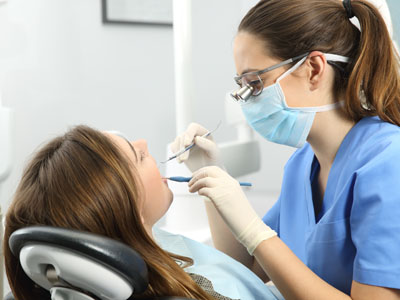
The cleaning itself typically combines ultrasonic scaling with hand instruments. Ultrasonic scalers loosen and remove deposits with high-frequency vibrations and a gentle water spray, while hand scalers let the hygienist access tight spots and finesse delicate areas. Together these tools remove plaque, tartar, and surface debris from above and slightly below the gumline where buildup tends to hide.
After scaling, teeth are polished to reduce surface roughness and eliminate minor staining. Polishing restores a smooth, cleaner feeling and helps delay new stain accumulation. Finally, flossing and a brief review of home-care technique complete the visit. If needed, the clinician will recommend follow-up treatments or a more intensive periodontal cleaning depending on the health of your gums.
No two mouths are exactly alike, so there’s no one-size-fits-all cleaning schedule. Frequency and technique are adjusted based on factors such as your risk for cavities, history of gum disease, the presence of restorations or implants, orthodontic appliances, dry mouth, and certain medical conditions. Some patients do well with twice-yearly visits, while others benefit from more frequent maintenance to manage ongoing risk.
Customization also comes into play during the appointment. For patients with sensitive teeth, enamel exposure, or exposed root surfaces, the hygienist may use gentler instruments and lower-power ultrasonic settings. Those with braces or extensive dental work may receive additional time for careful cleaning around brackets, wires, crowns, or implant abutments to protect those areas from plaque accumulation.
Part of personalized care is education: we review brushing and interdental cleaning techniques tailored to your anatomy, habits, and restorative work. Small adjustments at home — a different flossing tool, a modified brushing angle, or a specialized interdental brush — can make a significant difference between cleanings, so recommendations are always practical and specific.
It’s common for patients to worry about discomfort during a cleaning, but most routine appointments are well tolerated and brief. Modern ultrasonic instruments and refined techniques make the process efficient. For people who experience sensitivity, the team can apply topical desensitizing agents, use lower-pressure polishing pastes, or take short breaks during the appointment to minimize discomfort.
Dental anxiety is another frequent concern. Hygienists are trained to create a calm, respectful environment and to communicate throughout the appointment so you always know what to expect. Simple strategies — such as scheduling appointments at a time of day when you’re less rushed, using headphones, or practicing focused breathing — can help a great deal. When needed, we discuss additional comfort options and collaborate with you to find the best approach.
For patients with strong gag reflexes, sensitive tongues, or special needs, the hygienist can modify positioning, change instruments, or work in shorter intervals to maintain comfort without compromising effectiveness. The goal is a thorough cleaning delivered with care so every patient leaves feeling better about their oral health.
Finally, special populations — children, pregnant patients, and those with chronic health conditions — receive tailored attention. Cleanings for these groups emphasize safety, prevention, and gentle techniques while ensuring that practitioners stay informed about any health changes that could affect dental care.
When cleanings are part of a long-term routine, they do more than preserve a bright smile: they protect the structures that support your teeth. Healthy gums and well-maintained bone reduce the risk of tooth loss and help restorations (crowns, bridges, implants) last longer. Regular professional care also increases the chance of detecting issues early — cavities, fractures, or the first signs of gum disease — when treatment is simpler and outcomes are better.
Consistent cleanings reinforce good habits and create an ongoing record of your oral health. By tracking measurements and observations over time, your dental team can spot subtle trends and intervene earlier. That proactive approach saves time and keeps care focused on prevention rather than repair.
At Frisco Smiles Dentistry, our hygienists and clinicians work together to make cleanings efficient, comfortable, and meaningful. We view each visit as an opportunity to protect your smile, answer questions, and provide practical guidance that fits your lifestyle.
In summary, professional dental cleanings are a critical component of preventive care that support both oral health and overall well-being. If you’d like to learn more about how cleanings fit into your personal care plan or want to discuss comfort options, please contact us for more information.
A professional dental cleaning is a clinical procedure performed by a licensed dental hygienist to remove plaque, tartar and surface debris that everyday brushing and flossing can miss. Plaque is a soft bacterial film that can harden into tartar (calculus), which bonds to tooth surfaces and requires specialized instruments for safe removal. Cleanings also give clinicians an opportunity to inspect teeth and gums so problems can be detected early and managed before they become more complex.
Beyond removing buildup, a cleaning refreshes the mouth and prepares teeth for effective at-home care by creating smooth surfaces where toothpaste and floss work better. The visit typically includes assessment, scaling, polishing and a review of oral hygiene technique tailored to each patient. Regular cleanings are a cornerstone of preventive dental care and help preserve long-term oral health.
For many people, twice-yearly cleanings are a good baseline, but the ideal interval is personalized based on individual risk factors. Factors that influence frequency include a history of gum disease, propensity for rapid plaque buildup, presence of restorations or implants, orthodontic appliances, dry mouth, and certain medical conditions. Your hygienist and dentist will review these factors and recommend a recall schedule that balances prevention with your specific needs.
Patients with stable oral health and low risk may continue with routine six-month visits, while those managing periodontal issues or other risks often benefit from more frequent maintenance appointments. The team tracks periodontal measurements and clinical observations over time to adjust the schedule as needed. This targeted approach helps catch changes early and keeps treatment focused on prevention.
A comprehensive cleaning begins with a careful examination of the teeth and gums, including visual inspection and periodontal measurements to assess pocket depths and gum health. This evaluation guides the cleaning strategy for the visit and helps identify any changes since the last appointment. Notes are recorded so the clinician can compare trends over time and recommend appropriate follow-up if needed.
The cleaning itself commonly combines ultrasonic scaling to loosen deposits with hand instruments that refine and remove stubborn tartar, followed by polishing to smooth tooth surfaces and reduce staining. The clinician then flosses and reviews home-care techniques, suggesting adjustments or tools when appropriate. If deeper periodontal treatment is indicated, the team will explain next steps and schedule the necessary care.
Most routine dental cleanings are well tolerated and designed to be as comfortable as possible, though some patients may experience temporary sensitivity, especially if enamel is thin or root surfaces are exposed. Modern ultrasonic scalers and refined hand-instrument techniques make the process efficient while minimizing discomfort. Hygienists communicate throughout the appointment and can pause or adjust technique when a patient feels discomfort.
For patients who experience sensitivity, clinicians can apply topical desensitizing agents, use lower-power settings on instruments, or select gentler polishing pastes to reduce irritation. Short breaks and paced treatment help manage sensitivity without compromising effectiveness, and recommendations for at-home desensitizing toothpastes may be provided. Open communication about any pain or sensitivity ensures that the visit remains both thorough and comfortable.
Cleanings remove plaque and tartar that harbor bacteria responsible for cavities and inflammation of the gums, which are the primary drivers of periodontal disease. By reducing the bacterial load in the mouth, professional cleanings lower the risk of localized oral problems and help control chronic inflammation. Early detection during routine visits also allows clinicians to treat gum issues before they progress to more severe disease.
Research has linked chronic oral inflammation to systemic health concerns, so maintaining healthy gums is one part of supporting overall wellness. Regular professional care, combined with effective home hygiene, reduces inflammatory triggers and helps protect the supporting structures of the teeth. Consistent maintenance helps preserve bone and tissue that keep teeth stable and reduces the likelihood of complex restorative care later on.
Patients with orthodontic appliances, implants, crowns or bridges require special attention because these features can trap plaque and make cleaning more challenging. Hygienists use specific instruments and techniques to access tight areas around brackets, wires, implant abutments and restorative margins without damaging the materials. Visits for these patients often include extra time and careful inspection to ensure all surfaces are free of harmful buildup.
Personalized home-care recommendations are an important part of tailored care, such as prescribing interdental brushes for braces, specialized flossing tools for implants, or modified brushing angles to protect restorations. The frequency of professional maintenance may be increased for higher-risk cases to prevent complications. Education and practical tips help patients protect appliances and restorations between visits.
Preparation for a cleaning is simple and helps the appointment run smoothly: update your medical history and list of current medications, bring any relevant dental records if you are new to the practice, and arrive a few minutes early to complete routine paperwork. Continue your normal oral hygiene before the visit, but avoid attempting aggressive or abrasive self‑treatment that could irritate gums. If you have specific concerns—like recent sensitivity or bleeding—note them so the hygienist can address them during the exam.
If you experience dental anxiety or have a strong gag reflex, tell the team when scheduling or at check‑in so accommodations can be arranged. Small adjustments such as appointment timing, breaks during treatment, or using headphones can make a big difference in comfort. Clear communication about health conditions, medications or recent procedures ensures safe, effective care.
Yes, dental cleanings are safe and recommended for most children and for pregnant patients, with techniques adjusted to meet each patient’s needs. Pediatric cleanings focus on prevention and habit education to establish lifelong oral health practices, while cleanings during pregnancy emphasize gentle care and monitoring for pregnancy‑related changes such as increased gum sensitivity. Clinicians follow best practices to ensure both safety and comfort during these visits.
For pregnant patients, routine cleanings and periodontal assessments help manage oral inflammation that can affect overall health during pregnancy, and treatment plans are coordinated with medical providers when necessary. For children, timing and approach are tailored to developmental stage and cooperation level to create positive experiences. Both groups receive guidance specific to their circumstances to support lasting oral health.
An effective at-home routine includes brushing twice daily with a fluoride toothpaste, daily interdental cleaning with floss or interdental brushes, and use of recommended tools for your anatomy or appliances. Consistent removal of plaque between visits reduces the need for extensive professional intervention and helps maintain gum health. Your hygienist may demonstrate technique adjustments to improve effectiveness, such as modified brushing angles or alternative flossing methods.
Dietary and lifestyle habits also influence oral health, so clinicians may discuss strategies to reduce staining and acid exposure that accelerate buildup. Using products selected for your risk level—such as fluoride rinses or desensitizing toothpastes—can reinforce the benefits of in‑office care. Together, professional cleanings and a personalized home routine form the foundation of long‑term preventive care.
The team at Frisco Smiles Dentistry combines clinical expertise with a patient-centered approach to make cleanings both efficient and comfortable, using modern instruments and gentle techniques tailored to individual needs. Hygienists perform a thorough assessment, explain each step of the process, and adjust treatment for sensitivity, restorations or special needs. Communication and ongoing education are integral so patients understand how professional care and home hygiene work together.
Comfort measures are available based on patient preference, including topical desensitizers, pacing the appointment, and practical strategies to manage anxiety such as scheduling choices or short breaks. The office focuses on preventive care and early intervention to minimize future discomfort and preserve oral structures. Patients are encouraged to voice concerns so the team can adapt care and ensure a positive experience.