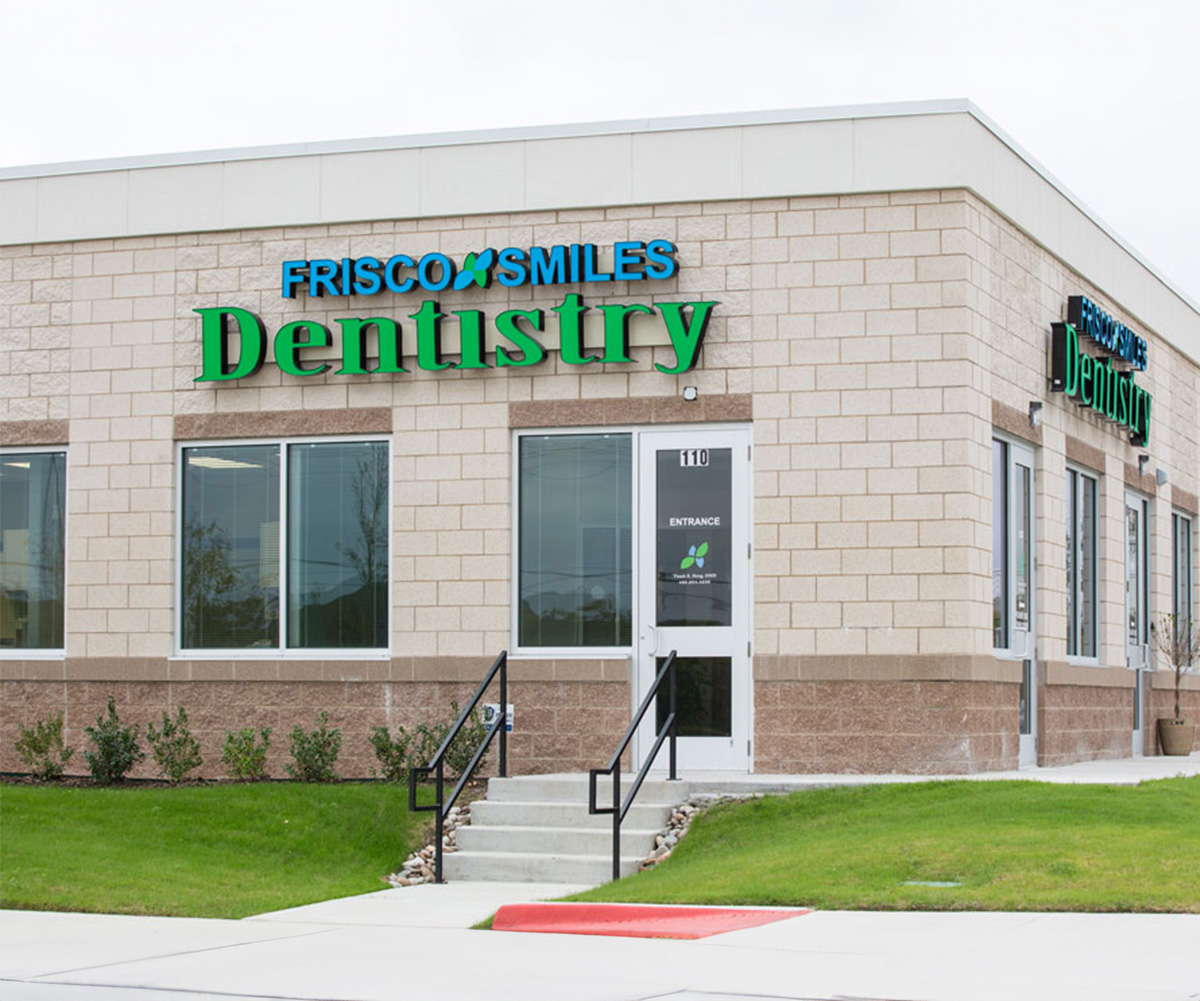
Our Office
Visit Us Online


Digital impressions use a handheld intraoral scanner to capture a detailed, three-dimensional image of a patient’s teeth and surrounding oral tissues. Instead of filling a tray with impression material and holding it in the mouth, the scanner records a series of precise images that are stitched together into a single computer model. This digital model becomes the working reference for everything from crowns and bridges to custom mouthguards and orthodontic appliances.
For patients, the difference is immediately noticeable: scanning is generally faster, less invasive, and free from the discomfort many associate with traditional impression trays. For clinicians, the digital file provides a level of clarity and consistency that conventional impressions can struggle to reproduce. Those qualities translate into more dependable communication with dental laboratories and smoother transitions between diagnostic planning and final restoration.
Importantly, digital impressions are not a cosmetic upgrade—they’re a technological improvement in how we document and treat the mouth. The digital workflow reduces the number of manual steps where errors can be introduced, which helps the dental team deliver predictable, high-quality outcomes with fewer adjustments and remakes.
Once a digital scan is captured, it becomes an interactive tool rather than a static record. Dentists can rotate, zoom, and analyze the model on a computer or tablet to evaluate margins, occlusion, and tissue contours before any restoration is fabricated. This capability supports more precise decision-making when preparing teeth for crowns or evaluating the fit and orientation of implants.
The digital file can be shared immediately with a dental laboratory or used directly by in-office CAD/CAM systems to design restorations. That seamless exchange of information shortens turnaround times and minimizes the uncertainty that can occur when impressions are shipped, poured, and reproduced. Clinicians can also overlay multiple scans to compare pre-treatment and post-treatment shapes, which enhances case documentation and follow-up care.
Because the scan captures both hard and soft tissue details, it helps teams anticipate potential challenges—such as tight interproximal contacts or shallow occlusal clearance—and plan restorations that integrate with the patient’s bite and facial structure. This foresight leads to restorations that fit more comfortably and function more naturally from the first appointment.
Digital impressions also change the way dentists involve patients in their care. High-resolution 3D models provide a visual reference patients can easily understand, making it simpler to explain treatment options, show where restorations will sit, and demonstrate the expected outcomes. Visual aids reduce uncertainty and help patients make informed decisions based on what they can see, not just what they are told.
Scanning sessions are generally shorter and less likely to trigger gagging or breathing discomfort, which is especially helpful for patients with dental anxiety or sensitive reflexes. If a scan requires any refinement, the clinician can re-scan the small area immediately rather than repeating an entire physical impression, saving time and reducing frustration.
For patients undergoing more involved procedures, digital records streamline coordination among specialists—such as orthodontists, oral surgeons, and lab technicians—so everyone is working from the same accurate reference. That coordination supports a smoother journey from diagnosis through treatment and restorative completion.
Digital impressions supply the detailed surface and margin information that technicians and CAD software need to design restorations with better marginal fit and occlusal harmony. Whether a restoration is milled in-office or produced by a dental laboratory, the starting point is a highly accurate 3D model. When restorations are based on precise scans, patients typically experience fewer chairside adjustments and improved long-term performance.
This precision is valuable across a wide range of treatments. For single crowns, it helps establish a tight margin and proper contact points; for multi-unit bridges or implant-supported prostheses, it supports accurate alignment and passive fit. Even for removable appliances and clear aligners, the accuracy of digital scans improves comfort and predictability in how the appliances interact with the teeth.
Because digital workflows reduce guesswork, the restorative process often requires fewer appointments and less back-and-forth communication. The result is a treatment path that respects the patient’s time while upholding clinical standards—delivering restorations that look natural and perform reliably for years of everyday function.
Modern dental practices rely on connected systems to keep records organized and workflows efficient, and digital impression files are a central part of that integration. Files can be securely stored in the patient’s electronic chart, shared with trusted partners, and used in conjunction with digital radiographs and intraoral camera images to build a comprehensive case record. This unified approach supports continuity of care and simplifies follow-up treatment.
Transmission of digital impression files is typically encrypted and follows the practice’s established privacy protocols, ensuring patient information is handled responsibly. From a logistical standpoint, sending a digital file is faster and more reliable than shipping physical impressions, and it eliminates the variability introduced by impression material distortion and stone model handling.
At our office, these technologies are chosen to support predictable outcomes while maintaining a patient-centered approach to care. The convenience and accuracy of digital impressions fit naturally with a contemporary practice model that values communication, documentation, and efficient treatment planning—helping clinicians focus on high-quality, personalized care.
In summary, digital impressions represent a meaningful advancement in how dental teams capture and use oral anatomy for diagnosis and restorative treatment. They improve patient comfort, enhance clinician communication, and support restorations that are precise and long-lasting. If you have questions about how digital scanning may affect your treatment options, please contact us to learn more.
Digital impressions are three-dimensional records of the teeth and surrounding oral tissues captured with a handheld intraoral scanner. The scanner records sequential images that are stitched into a precise computer model used for diagnostic planning and restoration design. This digital model replaces traditional tray-and-material impressions for many clinical applications.
Digital impressions matter because they reduce manual steps where distortion and error can be introduced, improving consistency between the clinical exam and the final restoration. They also permit immediate review and adjustment of the captured anatomy, which helps clinicians and dental laboratories work from the same accurate reference. As a documented digital record, the scans support clearer communication and more predictable outcomes across the treatment workflow.
An intraoral scanner uses a small wand equipped with cameras or optical sensors to capture high-resolution images of the teeth and soft tissues as it moves through the mouth. Software processes those images in real time, aligning and stitching them into a continuous 3D model that can be rotated and examined on a computer or tablet. The process is iterative, allowing the clinician to fill in missed areas immediately rather than remaking an entire impression.
The scanner also records color and surface texture in some systems, which can aid shading and aesthetic planning for crowns and veneers. Because the model is digital from the start, it can be exported in standardized file formats for use with CAD/CAM design software or sent electronically to a trusted laboratory. This interoperability streamlines production and reduces the delays associated with physical model shipping and pouring.
Digital impressions convert a static record into an interactive planning tool that clinicians can analyze from multiple angles to evaluate margins, occlusion, and tissue contours. Dentists can measure distances, assess contacts, and overlay scans to compare pre-treatment and post-treatment anatomy, supporting more precise decision-making. This level of detail helps anticipate challenges such as limited occlusal clearance or tight interproximal spaces before final restoration design begins.
Because the digital file can be shared instantly with laboratories or used directly in in-office CAD/CAM systems, the treatment pathway becomes more efficient and predictable. Immediate feedback reduces back-and-forth adjustments and supports streamlined sequencing between preparation, design, and delivery. The net effect is a planning process that better integrates prosthetic, surgical, and orthodontic considerations for each patient.
Digital impressions are well suited for a wide range of restorative and appliance-based treatments, including single crowns, inlays/onlays, veneers, and implant-supported prostheses. The detailed surface and margin information improves marginal fit and contact relationships for single-unit restorations and supports accurate alignment for multi-unit bridges and implant frameworks. Removable appliances, clear aligners, and custom night guards also benefit from the improved fit provided by high-resolution scans.
For implant cases, digital impressions can capture implant positions and surrounding soft tissue anatomy for precise prosthetic design and surgical planning. When combined with CAD/CAM technology, a digital workflow can reduce the need for repeated chairside adjustments and create restorations that integrate more naturally with the patient’s bite and facial structure. Laboratories and in-office mills alike rely on accurate digital inputs to produce restorations that perform reliably over time.
Digital scanning is generally faster and less invasive than conventional impression techniques, which many patients find more comfortable and easier to tolerate. Scanning reduces the likelihood of gagging or breathing difficulties because it avoids bulky impression trays and sets of impression material in the mouth. If a scanned area requires refinement, the clinician can re-scan a small region immediately rather than repeating an entire physical impression, saving time and frustration.
Scans also create clear visual aids that help patients understand their diagnosis and proposed treatments by viewing high-resolution 3D models with the clinician. Visual explanations reduce uncertainty and support shared decision-making by showing how restorations will fit and function. When practitioners use patient-friendly visuals, individuals are often more engaged and better informed about next steps in their care.
Yes. Digital impressions are commonly used in orthodontics to produce accurate models for clear aligner manufacturing and treatment simulation. The scans allow clinicians to plan tooth movements, predict outcomes, and fabricate custom aligners with a high degree of precision. They also permit comparison of sequential scans to monitor progress throughout orthodontic treatment.
For implant dentistry, digital impressions capture the implant position and surrounding soft tissues for prosthetic design and verification of passive fit. When combined with implant-level scan bodies and guided surgery planning, digital workflows support coordinated communication among restorative dentists, oral surgeons, and dental laboratories. This integration promotes predictable implant placement and restoration outcomes.
Digital impression files are typically stored in the patient’s electronic chart or a secure practice server and handled according to the practice’s privacy and data-protection protocols. File transfer to laboratories or specialists is usually encrypted and conducted through secure channels to protect patient information during transmission. Many practices also maintain audit trails and controlled access to ensure only authorized team members and partners can view the files.
Local backups and secure cloud storage options help preserve case records and support continuity of care if files need to be retrieved for future treatment or replacement prosthetics. Maintaining standardized file formats and secure exchange practices reduces the risk of data loss and simplifies collaboration with external labs. Clear recordkeeping also improves long-term case documentation for follow-up and restorative maintenance.
Although digital impressions have broad applicability, there are situations where traditional impressions remain appropriate, such as in cases with extensive subgingival margins that are difficult to capture optically or when access is severely restricted. Certain materials, extremely mobile soft tissues, or heavy bleeding can challenge optical scanning and may require conventional techniques or tissue management first. Additionally, some laboratories or third-party workflows may still request physical models for specific fabrication processes.
Practitioners commonly evaluate each case individually and choose the method that best supports accurate capture of the clinical situation. In some workflows, a hybrid approach—using a digital scan for most anatomy and a conventional impression for a difficult area—can provide the most reliable result. The goal is always to select the technique that delivers the most accurate and predictable outcome for the patient.
Preparing for a digital scan generally involves maintaining normal oral hygiene and arriving with a clean mouth free of excessive debris, which helps the scanner capture accurate surface details. Patients should inform the clinician of any active oral conditions such as lesions, heavy bleeding, or severe gag reflex, so the team can plan appropriate management or accommodations. If multiple specialties are involved, bringing any prior records or imaging can aid comprehensive planning.
The scanning process itself is noninvasive and typically well tolerated, but patients with anxiety can discuss relaxation strategies or scheduling preferences with the team in advance. Expect the clinician to review the captured model with you and explain any next steps, which may include laboratory communication or in-office CAD/CAM fabrication. Clear pre-appointment communication helps ensure an efficient and comfortable visit.
Digital impressions provide a durable, reproducible record of oral anatomy that can be referenced for future restorative needs, repairs, or replacements. Sequential scans allow clinicians to monitor changes over time—such as wear, migration, or tissue remodeling—and use those records to plan conservative interventions or adjustments. Having an accurate baseline model simplifies the process of remaking restorations or producing replacement appliances when needed.
When integrated with a comprehensive digital patient chart, scans complement radiographs and clinical notes to support continuity of care across routine checkups and specialist referrals. If additional treatment becomes necessary, the existing digital files can often be reused or adapted, reducing the need for repeat full-arch impressions. This continuity benefits both clinical efficiency and patient convenience in long-term maintenance.