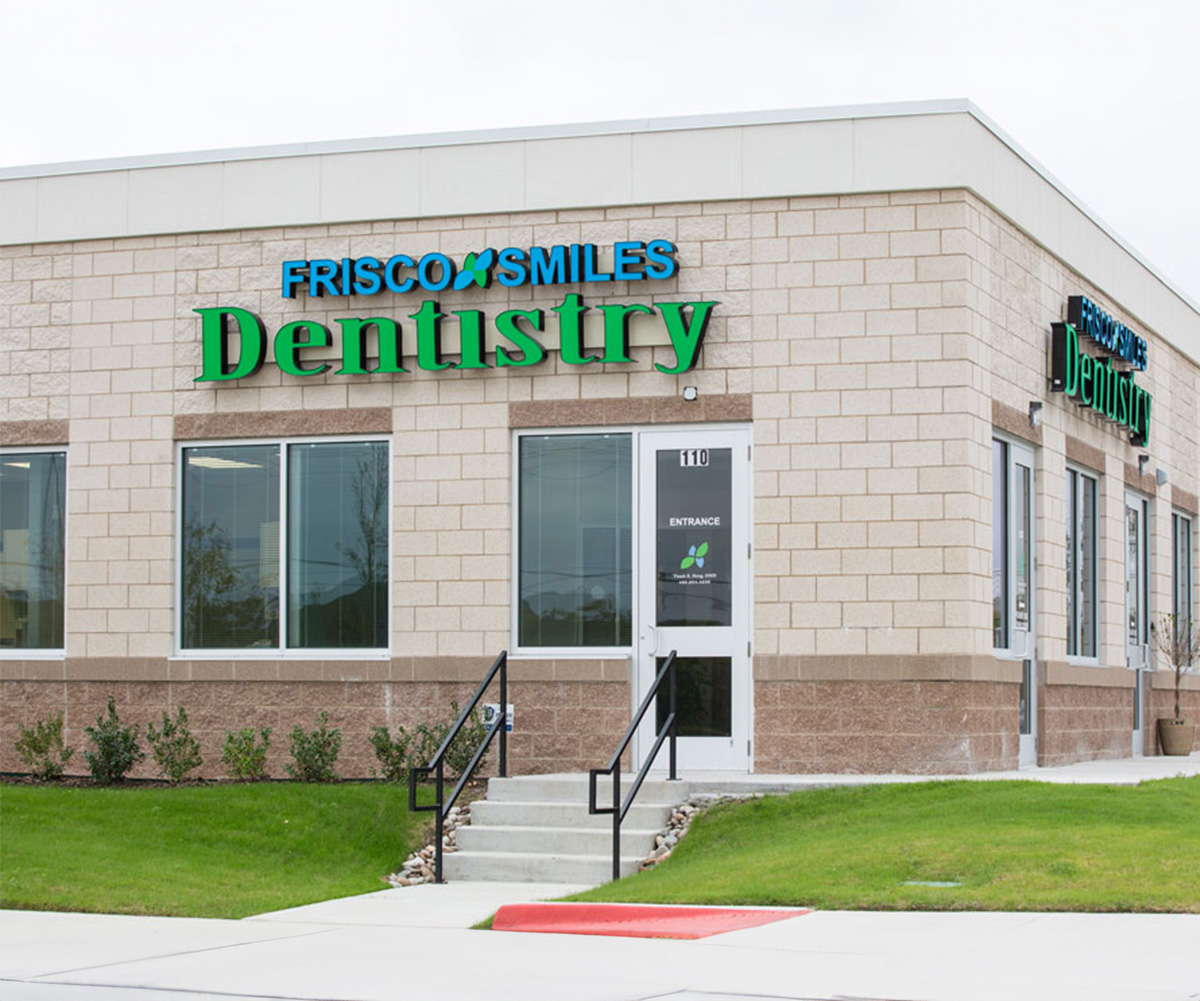
Our Office
Visit Us Online


Dental emergencies vary in intensity, but they all share one trait: they disrupt your life and deserve prompt attention. Sharp, persistent tooth pain, sudden swelling, or a knocked-out tooth are not issues to ignore; they often indicate damage or infection that can get worse quickly. Knowing which symptoms require immediate care helps you act confidently and reduces the risk of longer-term complications.
Not every ache requires an emergency visit, but certain signs should move you to seek care right away. Increasing pain that won’t respond to over-the-counter measures, bleeding that doesn’t stop, and any change in consciousness or breathing associated with an oral injury are red flags. Timely assessment limits damage and gives your dental team more options for preserving natural teeth and soft tissues.
Emergency dental care also focuses on comfort and stabilization. The first goal is to manage pain and control any infection or bleeding, then to determine the least invasive path to restore function and appearance. Acting quickly often means a simpler, more predictable treatment course and a faster return to everyday life.
When you contact our office with an urgent dental concern, we prioritize your needs and arrange an appointment as quickly as possible. Our front desk staff and clinical team are trained to triage symptoms over the phone so we can advise you on immediate steps to minimize damage and prepare for your visit. We’ll also explain what to bring and what to expect at your appointment to make the process smooth and efficient.
At the visit, the clinician conducts a focused examination and, when appropriate, uses digital radiography and intraoral imaging to pinpoint the problem. These diagnostic tools allow us to evaluate fractures, root involvement, and the presence of abscesses with minimal discomfort. Based on the findings, we outline treatment priorities and provide clear, patient-centered explanations so you can make informed decisions.
Comfort and safety are front and center during emergency care. We offer local anesthesia, sedation options when indicated, and techniques that reduce sensitivity during procedures. Follow-up plans are created before you leave so you understand next steps—whether that’s immediate treatment, temporary stabilization, or scheduling definitive care.
We regularly manage a wide range of urgent dental problems that can arise from accidents, sudden infections, or progressive tooth decay. Rapid diagnosis and targeted intervention are essential in cases such as severe toothaches, fractured teeth, or dental trauma involving displacement or avulsion. These conditions often require immediate stabilization to prevent infection and preserve as much of the natural tooth as possible.
Soft-tissue injuries and abrupt changes in gum health are treated with the same urgency. Swollen, painful gums, rapidly spreading redness, or signs of an oral infection need fast evaluation to prevent systemic spread. Likewise, a dislodged crown or broken filling may expose nerve tissue or allow bacteria to reach deeper structures, making prompt attention important.
Below are some of the common urgent problems we address:
Treatment depends on the nature and severity of the problem. For many acute issues, conservative repairs such as new fillings, dental bonding, or temporary crowns can restore comfort and function quickly. These approaches often buy time and protect the tooth from further damage while a more permanent plan is developed.
When a tooth’s inner tissues are affected, root canal therapy is a commonly recommended way to eliminate infection while preserving the natural tooth structure. Modern endodontic techniques are highly predictable and focus on eliminating pain, eradicating infection, and maintaining the tooth’s role in chewing and jaw stability. In many cases, root canal treatment followed by a protective restoration will return the tooth to long-term health.
There are instances where a tooth cannot be saved, and extraction becomes the safest option. If that happens, you still have effective pathways to restore your smile. Contemporary options range from fixed restorations to implant-supported replacements that replicate the look and feel of natural teeth. The immediate goal remains clear: remove the source of pain or infection, then provide a restorative plan that supports oral health and function.
When seconds and decisions matter, experience and a calm, organized approach make a difference. Our team combines advanced diagnostic tools with practical clinical experience to provide focused, high-quality emergency dental care. We emphasize swift pain relief, accurate diagnosis, and clear communication so you know what to expect from the first call through recovery.
Beyond clinical skill, we aim to make urgent visits as comfortable and efficient as possible. From minimizing wait times to using modern techniques that reduce postoperative discomfort, the care pathway is designed to treat the immediate problem while setting up a safe course for follow-up. This approach helps accelerate healing and reduces the chance of repeat emergencies.
Frisco Smiles Dentistry is committed to supporting patients through dental emergencies with compassion and clinical excellence. If you’re facing an urgent dental issue, contact us to arrange an evaluation and begin the process of relieving pain and restoring oral health.
Dental emergencies are stressful, but prompt, informed action can protect your health and preserve your smile. Recognize the signs that require urgent care, seek immediate assessment when needed, and follow a treatment plan that balances short-term relief with long-term outcomes. Timely intervention often results in simpler care and better results.
If you have questions about an urgent dental concern or need to schedule an immediate visit, please contact us for more information. Our team is ready to help you manage pain, treat infection, and plan the next steps toward recovery.
Dental emergencies are conditions that require prompt attention because they threaten oral health, cause severe pain, or risk systemic spread. Common examples include severe toothaches, facial swelling, uncontrolled bleeding, and traumatic injuries such as a cracked or knocked-out tooth. These situations can rapidly worsen without timely care and may lead to permanent damage or loss of a tooth.
Not every dental discomfort is an emergency, but signs that warrant immediate evaluation include increasing pain that does not respond to over-the-counter measures, fever with oral swelling, and any difficulty breathing or swallowing after an injury. If you experience persistent bleeding, altered consciousness, or a tooth that has been forcefully displaced, seek urgent assessment. Prompt treatment expands options for saving natural teeth and limits the chance of complications.
If a permanent tooth has been knocked out, act quickly to preserve the tooth and surrounding tissues. Handle the tooth by the crown only, rinse it gently with water if dirty, and avoid scrubbing or touching the root surface. If possible, reinsert the tooth into the socket and hold it in place, then seek immediate dental care; if reinsertion is not possible, place the tooth in milk or keep it in the mouth beside the cheek to maintain moisture.
Time is critical — the likelihood of saving an avulsed tooth is highest within the first hour after injury. Bring the tooth with you in a suitable container and do not wrap it in tissue or cloth, which can dry the root surface. Contact a dental office right away so clinicians can provide instructions and arrange urgent treatment that may include gentle repositioning and stabilization.
When a patient presents with severe tooth pain or localized swelling, the first priority is to control pain and assess for infection or structural damage. At the emergency visit, clinicians use clinical examination and diagnostic imaging to determine whether the source is pulpal infection, an abscess, or a fracture. Short-term measures such as local anesthesia, temporary restorations, or incision and drainage may be used to manage symptoms and prevent spread.
If an infection is present, targeted antibiotics may be prescribed alongside definitive dental treatment, especially when swelling threatens nearby structures or general health. Endodontic therapy is commonly used to treat infected inner tissues while preserving the natural tooth, and a follow-up restorative plan is usually needed to protect the tooth long term. In cases where the infection is severe or systemic symptoms develop, immediate intervention and close monitoring are essential.
A fractured crown or lost filling can expose sensitive tooth structure and allow bacteria to reach deeper tissues, making timely evaluation important. In an emergency setting, we can often stabilize the tooth with temporary materials, smooth sharp edges, or reattach a crown when feasible to reduce pain and protect the pulp. These conservative repairs are designed to preserve function and buy time for a permanent restoration.
After initial stabilization, diagnostic imaging helps determine whether there is underlying root damage or decay that requires further treatment such as root canal therapy or a new crown. Your clinician will outline a clear, sequenced plan for definitive care and schedule the necessary follow-up to restore long-term function and esthetics. Timely restorative work reduces the risk of recurrent problems and additional emergency visits.
Bring a government-issued ID, a list of current medications and allergies, and any recent dental records or radiographs you have available. If a tooth or restoration has been dislodged, place it in a clean, sealed container with milk or saline rather than wrapping it in tissue, and bring that container with you. Also bring a brief description of how and when the injury or symptoms began so the team can efficiently triage your care.
If you have difficulty breathing, uncontrolled bleeding, or altered consciousness, seek emergency medical care first and inform the dental office as soon as possible. When you arrive for a dental emergency appointment, staff will confirm your medical history, assess pain levels, and prioritize treatment to stabilize the problem. Clear documentation and open communication help the clinical team deliver focused, effective care quickly.
Yes — root canal therapy may be performed during an emergency visit when the tooth’s pulp is inflamed or infected and immediate pain relief is required. An emergency endodontic procedure focuses on removing inflamed tissue, relieving pressure, and disinfecting the root canals to control acute symptoms. Local anesthesia and, when appropriate, sedation options are used to keep patients comfortable during the procedure.
Often the emergency root canal is followed by a definitive endodontic completion or a protective restoration such as a crown to restore strength and prevent reinfection. Your clinician will explain the staged approach, expected healing timeline, and any signs that should prompt a return visit. This strategy balances immediate pain control with long-term preservation of the natural tooth.
For oral bleeding and soft-tissue injuries, the immediate goal is to control hemorrhage and protect the airway. Direct pressure with sterile gauze typically controls minor bleeding, while larger lacerations may require suturing, hemostatic agents, or referral for advanced wound care. Clinicians will also evaluate for deeper injuries to the lips, tongue, cheeks, or jaw that could affect function.
After bleeding is controlled, the wound is cleaned, irrigated, and closed when appropriate to reduce infection risk and promote healing. Tetanus history is reviewed for penetrating injuries, and antibiotics are prescribed selectively based on the extent of contamination or systemic concerns. Follow-up visits are scheduled to monitor healing and, if necessary, arrange restorative or orthodontic care for any displaced teeth.
An extraction may be necessary in an emergency when a tooth is fractured below the gumline, severely mobile, or the source of an uncontrolled infection that does not respond to conservative measures. The decision to extract is made after careful assessment of the tooth’s restorability, the patient’s overall health, and the risks of retaining an infected or nonviable tooth. When extraction is the safest option, clinicians focus on safe removal and immediate measures to control pain and infection.
Following extraction, clinicians provide instructions to manage bleeding, swelling, and pain, and they discuss appropriate timelines for replacement options to restore function. Replacement planning can include fixed or implant-based solutions and is coordinated once the acute situation has resolved and healing is underway. Prompt follow-up care helps maintain oral health and prevents secondary complications.
Immediate steps to reduce infection risk after dental trauma include gentle irrigation, temporary sealing of exposed surfaces, and, when indicated, placement of medicaments to inhibit bacterial growth. Clinicians assess the need for systemic antibiotics based on the severity of contamination, the presence of swelling, and the patient’s medical history. Appropriate interim restorations or splinting of displaced teeth also help protect tissues while definitive treatment is planned.
When you contact Frisco Smiles Dentistry promptly, we can often reduce infection risk through timely stabilization, appropriate medication, and scheduled follow-up evaluations. Regular monitoring with clinical exams and radiographs ensures any developing infection is detected early and managed effectively. Adhering to post-procedure oral hygiene and returning for recommended visits are key to preventing delayed complications.
For urgent dental care, contact our office at 2955 Eldorado Pkwy, Suite 110, Frisco, TX 75033 or call New Patients at (469) 212-9064 and Existing Patients at (469) 294-4239 to request an immediate evaluation. Office hours are Monday through Friday from 8:00 a.m. to 5:00 p.m., and staff will triage urgent concerns to schedule the fastest available appointment. If you are experiencing breathing difficulties, uncontrolled bleeding, or signs of a systemic emergency, seek emergency medical services first and then notify our office.
When you call, our team will ask about symptoms, medical history, and recent events to advise immediate first-aid steps and prepare the clinical staff for your arrival. Arrive prepared to share your medication list and any recent radiographs, and expect a focused exam with diagnostic imaging as needed to determine the best course of action. Our goal is to stabilize pain and infection, provide necessary short-term care, and outline a definitive treatment plan.