Our Office
Visit Us Online


Removing a tooth is never the first option. Dentists strive to preserve natural teeth whenever possible because your own tooth structure is usually the best long-term solution. Still, there are clear circumstances where extraction protects your oral health, stops the spread of infection, or prevents more extensive problems down the road.
Decisions about extractions begin with careful assessment — reviewing your dental chart, discussing symptoms, and using diagnostic imaging to understand the condition of the tooth and surrounding tissues. Our focus is on balancing conservative care with the need to act decisively when a tooth threatens your comfort or overall oral wellness.
Patients often feel anxious at the mention of extraction; part of our role is to explain the reasons, what to expect, and how we’ll manage pain and healing. We aim to make the process as predictable and comfortable as possible while keeping you informed every step of the way.
Baby teeth that don’t fall out on schedule
Sometimes a primary (baby) tooth remains firmly attached after the permanent tooth beneath it begins to erupt. When a baby tooth is ankylosed (fused to bone) or its roots fail to resorb, it can block normal tooth development and alignment. In those cases, removing the retained tooth creates space for proper eruption and future orthodontic planning.
Permanently damaged teeth that cannot be restored
Tooth decay starts small and can progress to deep structural loss if untreated. When a tooth is compromised beyond the point where a crown or filling can reliably restore form and function, extraction prevents ongoing infection and pain and allows us to explore replacement options that protect adjacent teeth and jawbone health.
Extensive fractures and root damage
Teeth can crack in ways that appear minor but extend into the root or beneath the gumline. When a fracture compromises the integrity of the tooth or the root anatomy prevents predictable restoration, extraction is often the safest path to avoid recurrent problems and persistent discomfort.
Advanced periodontal disease
Periodontal (gum) disease can erode the bone and soft-tissue support that keep teeth stable. In advanced cases where pockets, bone loss, and mobility are severe, extracting the affected tooth can protect neighboring teeth and reduce the overall disease burden in the mouth.
Wisdom teeth that are impacted or problematic
Third molars frequently lack sufficient space to erupt properly and may become impacted, infected, or cause crowding of adjacent teeth. Removing troublesome wisdom teeth — especially when they threaten other teeth or cause recurrent infections — is a common and preventative measure.
Extractions as part of orthodontic planning
When the jaws are too small to accommodate all the permanent teeth comfortably, removing one or more teeth can create the space needed to align the smile and achieve a healthy bite. Extractions for orthodontic reasons are coordinated with your orthodontist to support the best functional and aesthetic outcome.

Before any procedure begins, we perform a thorough exam and review your medical history so the extraction is tailored to your health needs. Diagnostic images help us evaluate root shape, bone support, and the relationship to adjacent structures. If you take medications or have systemic conditions, we’ll address those factors to minimize risk and optimize healing.
Our practice emphasizes comfort and predictability. Most extractions are completed using local anesthesia, and we discuss additional options for anxiety or pain control when appropriate. If a case is more complex — for example, deeply impacted teeth — we will outline the recommended approach and, when needed, collaborate with or refer to a specialist who focuses on surgical extractions.
Communication is central: we explain what will happen during the procedure, how long it should take, and what to expect afterward so you can make informed decisions. We also provide pre-procedure guidance to help minimize complications and prepare you for a smooth recovery.
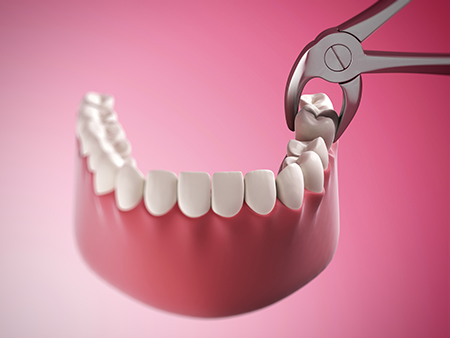
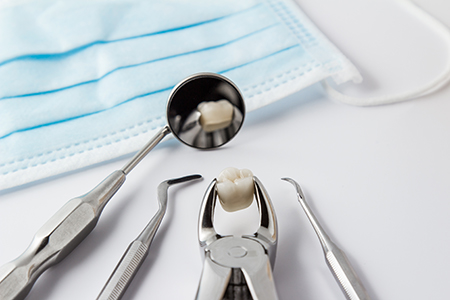
When a tooth is fully visible and the roots are straightforward, a simple extraction is usually sufficient. After numbing the area, your clinician gently loosens the tooth with specialized instruments and removes it with forceps. The technique focuses on protecting surrounding tissues and limiting discomfort during and after the appointment.
Surgical extractions are used for teeth that are broken at the gumline, impacted, or have root anatomy that makes removal more complex. This approach may involve a small incision, removal of a bit of bone, or sectioning the tooth into pieces to remove it safely. Local anesthesia is standard, and sedation or specialist care may be recommended for anxious patients or technically challenging cases.
Healing after an extraction is a progressive process: initial clot formation, soft-tissue healing, and gradual filling of the socket with bone. We provide tailored instructions based on the type of extraction performed and your overall health. Most uncomplicated extractions follow a predictable recovery timeline, but we remain available to address concerns or modify care plans as needed.
Good aftercare reduces the chance of complications such as prolonged bleeding or dry socket. Simple behaviors — like keeping pressure on the socket, avoiding disruptive suction, and following medication instructions — support stable clot formation and comfortable healing. We also advise on diet and activity to help you recover efficiently.
Maintain firm pressure with gauze
A gauze pad placed over the extraction site helps the clot form. Bite gently but firmly for the length of time recommended, replacing the gauze as directed. A small amount of oozing in the first 24 hours is common; persistent heavy bleeding should be reported so we can advise next steps.
Protect numb tissues until sensation returns
Numbness can temporarily affect your lips, tongue, and cheek. Avoid chewing or touching the area until feeling returns to prevent accidental injury.
Take medications as prescribed
Antibiotics:
If an antibiotic is prescribed, take the full course exactly as directed to help prevent or treat infection.
Pain management:
Taking an appropriate pain reliever before the anesthesia fully wears off often improves comfort. Follow dosing instructions carefully for any over-the-counter or prescription medication.
Allow the clot to stabilize
Avoid rinsing vigorously, spitting, drinking through a straw, or smoking in the first 24–48 hours. These actions can dislodge the blood clot and delay healing.
Use cold packs to limit swelling
An ice pack applied intermittently to the face during the first day helps control swelling and discomfort. Apply for short intervals as recommended.
Avoid tobacco for the first week
Smoking impairs circulation and interferes with normal healing. Refraining from tobacco during the early recovery period significantly reduces the risk of complications.
Choose soft, cool foods initially
Start with liquids and soft foods, and avoid hot or spicy items that can irritate the socket. Stay well hydrated and progress to your normal diet as comfort allows.
Maintain gentle oral hygiene
Keep the rest of your mouth clean by brushing and flossing other teeth, taking care to be gentle near the extraction site. After 24–48 hours, a mild warm saltwater rinse can help keep the area clean — do this gently to avoid disturbing the clot.
Attend any scheduled follow-up
If sutures were placed or your case required more involved care, a follow-up visit allows us to monitor healing and remove stitches if necessary. Keeping this appointment helps ensure the best outcome.
If you notice unexpected or worsening symptoms — such as increasing pain, excessive swelling, persistent bleeding, or an unusual taste — contact our office so we can evaluate and advise appropriate next steps.
When a tooth is removed, planning for its replacement — when appropriate — is an important part of long-term oral health. Replacing a missing tooth helps restore chewing function, prevents neighboring teeth from shifting, and supports the jawbone over time. We review replacement options with you based on the health of surrounding teeth, bone volume, and your personal goals.
Common restorative paths include removable options like dentures, fixed solutions such as bridges, and implant-based restorations that replace both tooth and root. Dental implants often provide the most stable, long-lasting result and are an excellent choice when bone and overall health permit. We’ll discuss each option’s benefits, the timeline involved, and which choice best aligns with your needs.
Coordinating restorative care soon after extraction — when appropriate — can simplify the process and preserve the bone and soft tissue contours for a more natural-looking result. We take a collaborative approach: explaining pros and cons and ensuring any planned replacement is practical and durable.
Your treatment will be guided by a commitment to safety, comfort, and clear communication. At Frisco Smiles Dentistry, we emphasize conservative decision-making: extracting a tooth only when it is the most responsible option and discussing replacement and recovery in straightforward terms. Our team coordinates with specialists as needed and provides personalized instructions to support a smooth healing process.
We strive for a calm, respectful patient experience — explaining risks, answering questions, and tailoring anesthesia and comfort measures to each individual. Our goal is to restore and preserve oral health so you can return to daily life with confidence and minimal disruption.
Summary: Tooth extraction can be an important, protective step in managing dental disease or preparing for future treatment. With careful assessment, clear planning, and attentive aftercare, outcomes are predictable and complications are uncommon. Contact us for more information or to discuss whether an extraction is the appropriate next step for your dental health.

Tooth extraction is recommended when a tooth cannot be saved by restorative or periodontal treatment. Common reasons include extensive decay, root fractures, severe infection, and advanced gum disease that compromises bone support. Extraction may also be necessary when a primary tooth blocks normal eruption of a permanent tooth or when third molars are impacted and cause pain or recurrent problems.
Your dentist determines the need for extraction after a clinical exam, review of your dental history, and diagnostic imaging such as X-rays. The decision balances preserving natural teeth with preventing further damage to adjacent teeth and overall oral health. When extraction is recommended, your clinician at Frisco Smiles Dentistry will explain the reasons and outline next steps including treatment options and expected recovery.
A simple extraction is performed on a tooth that is fully visible in the mouth and has an uncomplicated root structure. The procedure is done with local anesthesia and uses instruments to loosen and remove the tooth with forceps. Recovery from a simple extraction is often quicker because less soft tissue and bone need to be disturbed.
A surgical extraction is needed for teeth that are broken at the gumline, impacted, or have complex root anatomy. This approach may involve a small incision, removal of a small amount of bone, or sectioning the tooth into pieces for safe removal. Surgical cases sometimes require sutures, additional postoperative care, or referral to an oral surgeon depending on complexity.
Local anesthesia is the standard method to numb the area so you feel little or no pain during the procedure. For anxious patients or longer procedures, the team may offer sedation options such as nitrous oxide or oral sedatives when appropriate. Your medical history and current medications are reviewed beforehand to select the safest anesthesia strategy.
After the procedure you may receive recommendations for over-the-counter or prescription pain relievers to control discomfort. Using medication as directed, applying cold packs, and resting during the first 24 to 48 hours usually manages expected pain and swelling. If pain increases or is accompanied by fever or unusual symptoms, contact the office so the clinician can evaluate for complications.
Most extractions heal without issue, but complications can occur such as prolonged bleeding, infection, or dry socket. Dry socket happens when the blood clot in the extraction site becomes dislodged, exposing bone and causing intense pain. Infections may present with increasing pain, swelling, fever, or a bad taste and require clinical evaluation.
To manage complications, clinicians provide specific interventions such as dressing the socket, prescribing antibiotics, or placing sutures as needed. Early contact with the dental team makes it easier to treat problems promptly and reduce the risk of further issues. Your dentist will explain warning signs to watch for and steps to take if you suspect a complication.
Before your appointment provide a complete medical history including current medications, allergies, and any medical conditions. Certain medications and health issues can influence bleeding risk, healing, and anesthesia choices, so advance notice helps tailor care. Follow any pre-procedure instructions your dentist provides, such as fasting guidance for sedation or adjusting medications under clinician supervision.
Arrange for transportation if you will receive sedation or feel uncomfortable driving afterward. Plan a period of rest after the procedure and stock soft, cool foods and over-the-counter supplies like gauze and ice packs. If you have questions about preparation, contact the office ahead of time so the team can address concerns and confirm instructions.
The first 24 hours typically include bleeding that tapers to light oozing and gradual formation of a blood clot in the socket. Swelling and mild to moderate discomfort usually peak within 48 hours and then begin to improve. You should rest, limit physical exertion, and follow aftercare instructions to protect the clot and support healing. Maintaining gentle oral hygiene and avoiding actions like using a straw or smoking will help prevent complications.
By day seven most soft-tissue healing is well underway, and pain and swelling have usually diminished significantly. Some numbness or mild sensitivity may persist depending on the complexity of the extraction. If symptoms worsen or new concerns arise, contact the dental team for evaluation and guidance.
Apply firm, consistent pressure with gauze for the time recommended to encourage clot formation and limit bleeding. Avoid rinsing vigorously, spitting, or using a straw for the first 24 to 48 hours to prevent disrupting the clot. Use cold packs intermittently on the face during the first day to control swelling and reduce discomfort.
After 24 to 48 hours you can begin gentle warm saltwater rinses to keep the area clean, being careful not to dislodge the clot. Choose soft foods that do not require heavy chewing and avoid hot, spicy, or sharp foods that could irritate the socket. Resume brushing and flossing other teeth while being gentle near the extraction site to maintain overall oral hygiene.
Replacing a missing tooth is important when it will preserve chewing function, prevent adjacent teeth from shifting, or maintain facial support. Timing for replacement depends on the extraction site, your general health, bone volume, and the chosen restorative option. Immediate, early, or delayed replacement approaches are discussed based on healing, infection risk, and the desired final result.
Common replacement options include removable appliances, fixed bridges, and dental implants, each with different timelines and surgical considerations. Dental implants restore both the tooth and root function and often require adequate bone and a staged treatment plan. Your dentist will review the benefits and expected sequence for each option so you can plan restorative care effectively.
A referral to an oral surgeon may be necessary for teeth with complex root anatomy, deep impaction, or proximity to vital structures. Specialists have training and equipment to manage surgical extractions, general anesthesia, and advanced bone or soft-tissue procedures. Referral helps ensure the safest approach when risk factors increase or when multidisciplinary care is required.
Your dentist collaborates with the specialist to share diagnostic images, medical history, and treatment objectives to coordinate care. Referrals are also appropriate when sedation beyond local anesthesia is recommended or when past medical conditions increase procedural complexity. The goal of referral is to provide an efficient, controlled treatment experience with predictable outcomes.
Complex extractions begin with a comprehensive assessment that includes medical history review and radiographic imaging to map root position and bone support. When necessary the team coordinates with an oral surgeon or provides in-house surgical techniques with appropriate anesthesia and monitoring. Treatment plans emphasize minimizing trauma, protecting adjacent teeth, and planning for subsequent restorative options.
Follow-up care includes clear aftercare instructions, timely review of healing, and coordination of replacement tooth options when appropriate. At Frisco Smiles Dentistry we prioritize communication and will schedule follow-up visits or referrals based on your recovery and long-term goals. This collaborative approach helps reduce complications and supports a smooth transition from extraction to restoration.