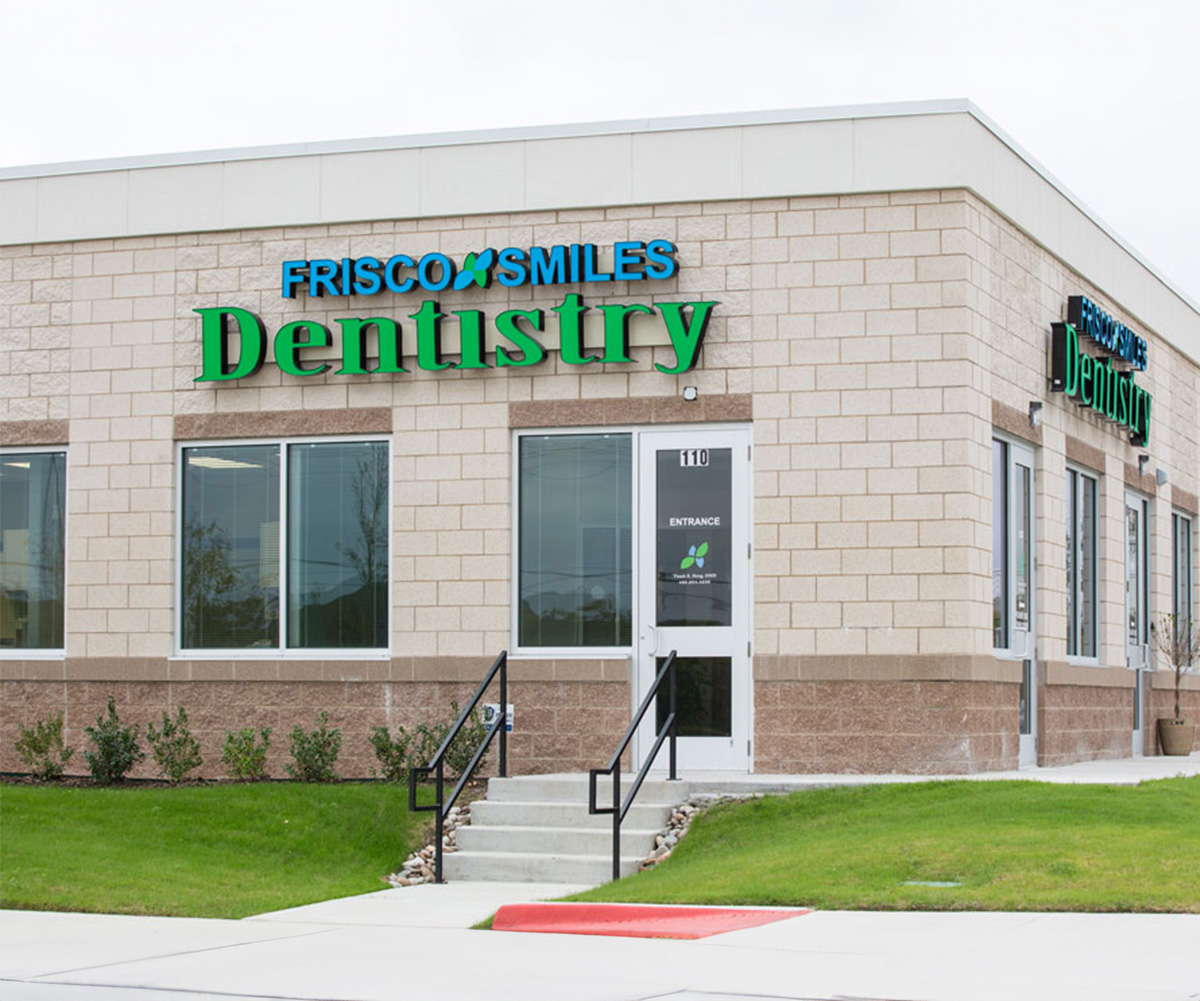
Our Office
Visit Us Online


Tooth decay is one of the most common chronic conditions affecting people of all ages, and fluoride is a well-established, evidence-based tool for reducing that risk. Applied topically by dental professionals, fluoride strengthens tooth enamel so it resists the acid attacks that follow sugar and carbohydrate consumption. Rather than being a single “fix,” fluoride works as part of a preventive strategy alongside daily brushing, flossing, and routine dental exams to lower the chance that small areas of enamel breakdown will progress into cavities.
Beyond simply making enamel harder, topical fluoride encourages remineralization — a natural repair process where minerals are redeposited into weakened enamel. When decay is detected early, topical fluoride can often halt or reverse that process, reducing the need for more invasive care. For parents and adult patients alike, periodic professional fluoride applications provide an extra layer of protection during vulnerable periods such as childhood tooth development, orthodontic treatment, or times of increased mouth dryness.
Because fluoride’s benefits are supported by decades of clinical research and public health experience, many dental teams recommend it selectively based on individual need and risk. A careful assessment of a patient’s oral health history, diet, fluoride exposure at home, and other risk factors helps determine whether topical fluoride is an appropriate and effective preventive measure.
Topical fluoride used in dental offices comes in several formats chosen for convenience, effectiveness, and patient comfort. The most common professional forms are varnish, gel, and foam. Varnishes are painted directly onto teeth and harden on contact, allowing fluoride to remain in contact with enamel for an extended period. Gels and foams may be applied in small trays that sit over the teeth for a brief interval. Regardless of the format, the goal is the same: deliver a concentrated dose of fluoride to enamel surfaces for maximum remineralizing effect.
The fluoride ions from these treatments integrate into the surface layer of enamel, helping to repair microscopic spots of mineral loss and making the enamel less soluble when it encounters acids. Professional applications use concentrations that are higher than over-the-counter toothpastes or rinses, but are administered in controlled amounts by trained clinicians to maximize benefit while minimizing risk. Because the application is topical, systemic exposure is limited and the treatment focuses on protecting the areas that need it most.
Application is typically quick and comfortable. Teeth are cleaned or polished first if needed, then the fluoride is applied. Many patients find the varnish or gel to be virtually unnoticeable other than a brief taste or texture. Following the treatment, the clinician will explain any short-term precautions — for example, avoiding certain foods or delaying brushing for a short period — so the fluoride can fully interact with the enamel.
Fluoride is commonly associated with pediatric care because children’s developing teeth are particularly vulnerable, but its benefits extend across the lifespan. Young children, especially those who are prone to cavities or who have limited access to fluoridated water, often gain considerable protection from periodic professional fluoride treatments. Adolescents with high sugar intake or inconsistent oral hygiene can also benefit, as can teenagers undergoing orthodontic treatment where brackets and wires create additional plaque-retentive areas.
Adults are not immune to decay, and certain conditions increase risk later in life. People with dry mouth (xerostomia), whether from medications, medical conditions, or radiation therapy, have less natural saliva to help neutralize acids and remineralize enamel. Patients with exposed root surfaces, a history of multiple fillings, or difficulty maintaining routine oral hygiene may be excellent candidates for topical fluoride to help preserve remaining tooth structure and delay the progression of decay.
Assessments of individual risk guide the frequency and type of fluoride recommended. For some patients, a single professional application during a routine visit may be sufficient; for others with higher risk, more frequent applications combined with home-care strategies will be advised. The dental team will tailor recommendations to each patient’s oral health goals and clinical needs.
If your dentist or hygienist recommends topical fluoride, the process is designed to be efficient and minimally disruptive. After the routine exam and cleaning, the clinician prepares the fluoride material and applies it directly to the teeth. Varnish is brushed on and sets quickly; trays of gel or foam are left in place only for a minute or two. The entire addition to a regular appointment is usually only a few minutes and is painless for nearly all patients.
Because the material needs time to be absorbed into the enamel, clinicians typically provide a few practical aftercare notes. These are short and straightforward: avoid eating hard or sticky foods and delay thorough brushing for a short window if varnish was used, since early brushing can remove the protective coating before it has had maximum effect. Any specific instruction will be tailored to the type of fluoride applied and the patient’s individual needs to ensure optimal results.
Topical fluoride should be seen as a complement to, not a replacement for, daily oral hygiene and professional cleanings. It works best when paired with consistent brushing with fluoride toothpaste, daily interdental cleaning, and regular preventive visits so that any changes in oral health can be detected and managed early.
Concerns about fluoride are understandable given how widely it’s used, but the safety profile for professionally applied topical fluoride is well established when used appropriately. The small, concentrated doses applied in the office are safe for the vast majority of patients, and clinicians follow protocols designed to limit ingestion, especially in very young children. Dental teams are trained to use the right product and amount for each patient and to provide guidance about home use of fluoride products.
One commonly discussed issue is dental fluorosis, a condition caused by excessive fluoride intake while permanent teeth are forming. Fluorosis is primarily a concern for young children when they consume too much fluoride systemically. Topical professional applications are administered in a controlled manner and pose minimal risk of contributing to fluorosis. Nevertheless, caregivers should follow pediatric recommendations about toothpaste amounts and supervise young children to minimize swallowing.
Best practice is a balanced, individualized approach: evaluate a patient’s total fluoride exposure from drinking water, toothpaste, supplements, and professional treatments, then choose the most appropriate preventive plan. This is where the dental team’s assessment becomes valuable — they can recommend the right combination of professional fluoride applications, at-home fluoride products, and preventive behaviors to keep teeth healthy with minimal risk.
Topical fluoride remains a practical, evidence-based measure to protect teeth, strengthen enamel, and support the natural remineralization process. Whether for a child with developing teeth, an adult with higher decay risk, or a patient experiencing reduced saliva flow, professional fluoride applications can be an important part of a personalized preventive plan. The treatment is quick, generally comfortable, and tailored to each patient’s needs.
If you’d like to learn more about how fluoride could fit into your preventive care routine or the care plan for a family member, please contact us for more information. Our team at Frisco Smiles Dentistry is available to discuss options and help determine the most appropriate approach for your individual oral health.
Fluoride treatment is a professional, topical application of fluoride to the teeth that helps strengthen enamel and reduce the risk of decay. It works by delivering fluoride ions to the tooth surface where they aid in remineralization and make enamel more resistant to acid attacks. Topical fluoride does not replace daily hygiene but complements brushing, flossing, and regular dental exams.
When enamel sustains microscopic mineral loss from acids produced by plaque, fluoride helps rebuild those areas and can halt early decay. Professional applications use concentrations and delivery methods that maximize contact with enamel for an enhanced remineralizing effect. Because the treatment is applied directly to tooth surfaces, it targets vulnerable areas without significant systemic exposure.
Children are often recommended for professional fluoride because their developing teeth are especially susceptible to cavities, but people of any age may benefit if they have increased decay risk. High-risk groups include patients with frequent sugar intake, orthodontic appliances, reduced saliva flow, or a history of multiple cavities. Frisco Smiles Dentistry evaluates individual risk factors to determine whether periodic in-office applications would help each patient.
Patients who lack access to fluoridated water or who have inconsistent home fluoride use can gain extra protection from clinical applications. Clinicians also consider medical conditions, medications, and lifestyle factors that affect oral health when recommending fluoride frequency. A tailored plan ensures that protective benefits are provided to those who need them most.
Topical fluoride in the dental office is typically applied as a varnish, gel, or foam depending on patient needs and comfort. Varnish is painted on and hardens quickly while gels and foams may be delivered in small trays that rest over the teeth for a minute or two. Before application a routine cleaning or polishing may be performed to remove plaque and allow better contact with enamel.
The clinician places a controlled amount of fluoride and allows it to remain on the teeth so fluoride ions can interact with enamel. Applications are brief and generally painless, with most patients noticing only a mild taste or texture for a short time. Aftercare instructions, such as avoiding certain foods or delaying brushing for a short interval, help maximize the treatment’s effectiveness.
Yes, professionally applied topical fluoride is considered safe for children when administered by trained clinicians who follow age-appropriate protocols. Dental teams take precautions to limit ingestion and use products and amounts tailored to a child’s size and developmental stage. The primary concern with excessive fluoride intake is dental fluorosis during tooth formation, and office treatments are designed to minimize systemic exposure.
Caregivers are advised to supervise home toothbrushing and to follow pediatric fluoride recommendations for toothpaste amounts to further reduce risk. Clinicians will review a child’s total fluoride exposure from water, toothpaste, and supplements before recommending in-office applications. This individualized assessment helps protect children while providing the cavity-preventive benefits of topical fluoride.
Adults can benefit from topical fluoride just as children do, particularly if they face increased risk of decay or have exposed root surfaces. Conditions such as xerostomia, receding gums, extensive restorations, or a history of multiple cavities increase the value of periodic fluoride applications. Professional fluoride helps strengthen remaining tooth structure and can slow or reverse early enamel breakdown.
Fluoride is also useful for patients undergoing orthodontic treatment, where brackets and wires create additional plaque-retentive areas. Older adults, whose saliva flow can be reduced by medications or health conditions, may find fluoride especially helpful in preventing root decay. Your dental team will consider these factors when integrating fluoride into a personalized preventive plan.
Frequency depends on individual risk assessment; some patients may need fluoride at every routine cleaning while others may need it less often. Clinicians evaluate factors such as past decay experience, oral hygiene habits, diet, saliva flow, and exposure to fluoride at home and in the community. High-risk patients often benefit from more frequent applications to maintain a protective level on enamel.
For low-risk individuals, a single application during periodic dental visits may be sufficient to supplement daily home care. The dental team will recommend an interval that balances protective benefit with best-practice precautions to avoid excessive exposure. Adjustments are made over time if a patient’s risk profile changes.
Side effects from professionally applied topical fluoride are uncommon and usually minor, such as a transient taste or slight tooth discoloration with certain varnishes. Clinicians are trained to use controlled amounts and to minimize ingestion, reducing the chance of adverse effects. Severe reactions are rare, but patients should inform the dental team of any allergies or sensitivities before treatment.
Dental fluorosis is a concern when children ingest excessive fluoride while permanent teeth are forming, but properly administered topical treatments contribute minimally to systemic intake. When necessary, the dental team will coordinate care and alternative preventive strategies for patients with unique medical or developmental considerations. Overall, the risk-to-benefit profile for professional topical fluoride is favorable when guided by individualized assessment.
Over-the-counter toothpaste and rinses contain lower concentrations of fluoride designed for daily home use, while professional applications deliver a higher, more concentrated dose directly to tooth surfaces. The elevated concentration and controlled application in the office allow for more intensive remineralization where needed. Daily fluoride products provide baseline protection, and professional treatments act as targeted reinforcement.
Because professional fluoride is applied topically by clinicians and not swallowed, systemic exposure is limited compared with excessive ingestion of fluoride sources. The combination of home care with periodic in-office applications creates a layered approach to cavity prevention. Your dental team can recommend the right mix of at-home products and in-office care based on your oral health profile.
Follow any specific instructions from your clinician, which commonly include avoiding hard, sticky, or hot foods for a short period and delaying brushing if a varnish was used. These simple steps help keep the fluoride in contact with enamel long enough to maximize remineralization. Most normal eating and drinking can resume after the brief waiting period your clinician recommends.
Continue with daily oral hygiene using fluoride toothpaste, along with routine flossing and professional cleanings, to sustain the benefits of the treatment. If you experience any discomfort or unusual symptoms after treatment, contact your dental office for guidance. Regular follow-up visits allow the dental team to monitor results and adjust preventive measures as needed.
The dental team performs a comprehensive risk assessment that includes your medical and dental history, recent decay experience, diet, oral hygiene habits, and saliva flow. They also consider fluoride exposure from drinking water, toothpaste, and supplements to evaluate total intake. This holistic review helps identify patients who would most benefit from topical fluoride.
At Frisco Smiles Dentistry the clinician combines clinical exam findings with patient-specific information to create a personalized preventive plan that may include in-office fluoride, home-care recommendations, or other strategies. The recommendation balances protective benefit with best-practice precautions to minimize unnecessary exposure. Patients are encouraged to ask questions so the team can tailor care to their goals and changing needs.