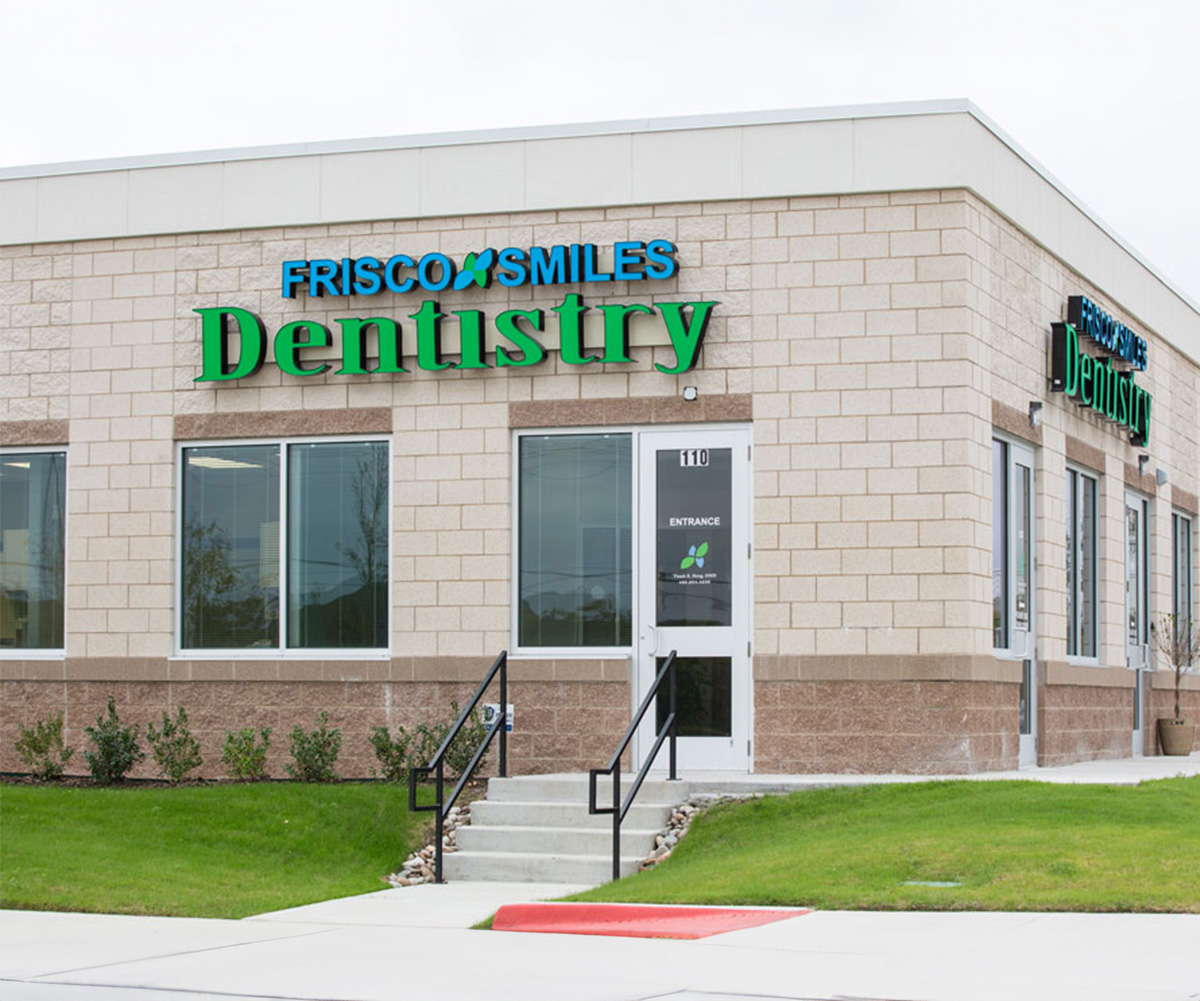
Our Office
Visit Us Online


Inlays and onlays are restorative options that sit between a traditional filling and a full-coverage crown. They’re custom-made restorations designed to fit precisely into the prepared portion of a molar or premolar. While an inlay fills the space between the cusps of a tooth, an onlay extends over one or more cusps to protect and reinforce weakened structures. Both are commonly made from strong, tooth-colored materials that mimic natural enamel in shade and translucency.
These restorations are often chosen when decay or fracture is too extensive for a simple filling but the remaining tooth structure is still sound enough to avoid a crown. Because they conserve more of the natural tooth than full crowns, inlays and onlays support long-term dental health by preserving enamel and dentin whenever possible. This conservative philosophy is a hallmark of modern restorative dentistry and helps maintain tooth integrity over time.
Patients appreciate that inlays and onlays blend function with aesthetics. They restore chewing surfaces while maintaining a discreet, natural appearance. At our office, we discuss all appropriate options and recommend inlays or onlays when they provide the best balance of strength, conservation, and visual harmony for a given tooth.
The process begins with a thorough clinical evaluation that includes visual inspection and imaging to assess the extent of decay or damage. During the first visit, the dentist removes compromised tooth tissue and shapes the remaining structure to receive the restoration. Precise impressions or digital scans capture the prepared surface, ensuring that the lab-made piece will seat accurately and comfortably.
Many modern practices use CAD/CAM technology to design and mill restorations with exceptional fit and consistency. Whether a restoration is fabricated in a specialized dental laboratory or produced in-office, technicians focus on matching the tooth’s contours and shade. The result is an inlay or onlay that integrates seamlessly with adjacent teeth and provides a stable chewing surface.
Once the restoration is completed, it’s carefully tried in to confirm fit, contacts, and occlusion. The final step is bonding the inlay or onlay to the tooth with adhesives and resin cements that create a durable, sealed interface. Proper adhesion helps protect the margins from leakage and contributes to the longevity of the restoration.
Compared with large direct composite or amalgam fillings, inlays and onlays deliver predictable strength and a precise fit that resists wear. Because they are fabricated outside the mouth under controlled conditions, their material properties are optimized for durability. Porcelain and other ceramic materials are highly resistant to staining, so they maintain a natural appearance longer than many restorative materials.
Another important benefit is structural support. An onlay that covers one or more cusps can reinforce a fractured or weakened tooth and reduce the risk of further breakage. By restoring the anatomy and distributing chewing forces more evenly, these restorations can extend the functional life of the tooth without resorting to full-coverage crowns prematurely.
Longevity also stems from meticulous bonding techniques. When an inlay or onlay is bonded properly, it forms a tight seal along the margins that reduces microleakage and protects underlying tooth tissue. For patients who prioritize a conservative approach with long-term stability, inlays and onlays offer a sound restorative choice.
Treatment with an inlay or onlay is typically completed in two visits when impressions and laboratory fabrication are involved, or in a single visit when chairside milling technologies are used. During the preparation appointment, local anesthesia is provided so patients remain comfortable while decay or damaged tissue is removed and the tooth is shaped. If a temporary restoration is necessary, it protects the tooth between appointments and preserves function.
When the permanent piece is ready, the practitioner checks the fit, makes any minor adjustments, and bonds the restoration in place. Patients may notice a brief period of sensitivity as the tooth adjusts to the new restoration, but this usually resolves quickly. Routine oral hygiene and regular professional cleanings are sufficient to maintain inlays and onlays—no special care beyond thorough brushing and flossing is required.
Follow-up appointments allow the dentist to evaluate the restoration’s performance and address any occlusal adjustments or concerns. Educating patients about chewing habits—such as avoiding excessively hard foods and not using teeth as tools—helps protect the restoration and prolong its service life.
Deciding between a filling, an inlay or onlay, or a crown depends on several factors, including the amount of remaining tooth structure, the location of the tooth, functional demands, and aesthetic goals. A conservative inlay may be ideal when the damage is confined to the central grooves, while an onlay is preferred for larger defects that involve one or more cusps. Crowns become necessary when the tooth is extensively compromised or when root canal therapy has left the tooth more brittle.
Clinical imaging and careful assessment of bite dynamics are essential components of treatment planning. The dentist evaluates how forces are transmitted across the tooth during chewing and whether an indirect restoration can provide the necessary protection. For patients who clench or grind their teeth, additional considerations—such as occlusal guards or modified designs—may be recommended to safeguard the restoration.
Ultimately, the best restoration is the one that preserves oral health, restores function, and fits the patient’s expectations. Our team takes a collaborative approach: we explain the pros and cons of each option, answer questions in plain language, and tailor treatment to the individual’s dental and lifestyle needs.
At Frisco Smiles Dentistry we take a conservative, evidence-based approach to restoring teeth, and inlays and onlays are often excellent choices when preservation and longevity are priorities. If you’d like to learn whether an inlay or onlay is the right solution for your tooth, please contact us for more information and to schedule an evaluation.
Inlays and onlays are custom indirect restorations used to repair damaged or decayed molars and premolars while preserving as much natural tooth structure as possible. An inlay fits within the cusps of a tooth, restoring the central chewing surface, while an onlay extends over one or more cusps to rebuild and protect weakened areas. Both are fabricated from strong, tooth-colored materials that mimic enamel in shade and translucency to provide a discreet, functional restoration.
These restorations occupy a restorative niche between direct fillings and full crowns, offering a conservative alternative when a filling is not adequate but a crown is not yet necessary. Because they are made outside the mouth under controlled conditions, they deliver a precise fit and consistent material properties that help resist wear and staining. When bonded correctly, inlays and onlays form a sealed interface with the tooth that contributes to long-term performance and preservation of remaining structure.
Direct fillings are placed and shaped in the mouth and are best for small to moderate defects that retain sufficient structure, while crowns cover the entire visible surface of the tooth and are used when extensive reinforcement is needed. Inlays and onlays are indirectly fabricated restorations that replace larger portions of the chewing surface than a filling but conserve more tooth than a crown. The indirect fabrication process and laboratory or chairside control of material properties often yield superior marginal fit and wear resistance compared with large direct restorations.
Functionally, an onlay can protect cusps and restore occlusal anatomy without removing the additional healthy tooth tissue required for a crown preparation, which helps preserve enamel and dentin. Clinically, the choice among filling, inlay/onlay, and crown is based on the extent of damage, remaining tooth structure, and functional demands such as bite forces. The treatment decision also considers esthetic goals and the long-term plan for maintaining the tooth.
An inlay is often the best choice when decay or fracture is confined to the central grooves and does not involve cusps, while an onlay is appropriate when one or more cusps are compromised but the tooth still has enough healthy structure to avoid a crown. These restorations are particularly useful for teeth with large existing restorations that need replacement, or for molars and premolars subjected to heavy chewing forces where a precise, durable restoration is preferred. The conservative approach of inlays and onlays helps maintain tooth integrity while addressing functional and esthetic needs.
Other clinical factors that influence the decision include the tooth's location, the patients bite dynamics, and any parafunctional habits such as clenching or grinding. Imaging and intraoral evaluation let the dentist assess whether an indirect restoration will provide lasting protection and restore proper occlusion. When appropriate, additional measures such as occlusal adjustments or a nightguard may be recommended to protect the new restoration.
Common materials for inlays and onlays include porcelain and other ceramics, composite resin, and, in some cases, gold alloys. Porcelain and ceramic restorations are favored for their esthetics, color stability, and wear characteristics that closely resemble natural enamel, while composite onlays offer conservative bonding options and easier intraoral adjustments. Gold remains a durable option with excellent longevity and a gentle wear profile against opposing teeth, though it is used less often due to esthetic preferences.
The choice of material depends on the location of the tooth, esthetic goals, and the functional demands placed on the restoration. Ceramic options pair well with modern adhesive bonding and CAD/CAM fabrication for precise margins and translucency control, whereas composite restorations can be ideal when minimal removal of tooth structure is a priority. Your dentist will discuss material benefits and select the option that balances strength, appearance, and conservation for your specific case.
The process begins with a comprehensive evaluation, imaging, and removal of decayed or damaged tissue under local anesthesia to ensure patient comfort. The prepared tooth is then recorded using digital scans or conventional impressions, which guide the laboratory or in-office milling system in fabricating the restoration to precise contours and contacts. If laboratory fabrication is used, a temporary restoration may protect the tooth while the final piece is produced; with chairside CAD/CAM systems, many restorations can be designed and milled during a single visit.
At placement, the dentist checks fit, occlusion, and proximal contacts before bonding the piece permanently using adhesive systems and resin cements that create a strong, sealed interface. Minor adjustments to the bite are made as needed to ensure comfort and functional harmony, and the restoration is polished to match adjacent teeth. Proper bonding and meticulous margin management are key to minimizing microleakage and maximizing the restorations lifespan.
Most patients experience minimal postoperative discomfort following inlay or onlay placement, with any sensitivity typically resolving within a few days as the tooth adapts to the restoration. Good oral hygiene, including thorough brushing and flossing, helps maintain healthy margins and gum tissue around the restoration, and routine dental cleanings allow the team to monitor performance. If a temporary was used, patients should avoid sticky or extremely hard foods until the definitive piece is bonded.
Follow-up appointments let the dentist evaluate occlusion and the integrity of the bonded margins and make any necessary adjustments. Patients with bruxism or heavy wear patterns may receive recommendations for an occlusal guard or modified treatment planning to protect the restoration. Prompt attention to unusual sensitivity, persistent discomfort, or changes in bite ensures timely intervention and long-term success.
When properly selected, fabricated, and bonded, inlays and onlays can last many years and often outperform large direct restorations in terms of durability and marginal stability. Longevity depends on factors such as the material used, the quality of the bond and marginal fit, the amount of remaining tooth structure, and the patient's oral hygiene and dietary habits. Functional forces, particularly from grinding or heavy chewing, also influence lifespan and may require protective measures to extend service life.
Regular professional examinations allow early detection of margin breakdown, recurrent decay, or wear that could compromise the restoration. Choosing conservative designs that preserve enamel for bonding, using high-quality materials, and addressing parafunctional habits all contribute to predictable long-term outcomes. Your dentist will review the expected performance for the chosen restoration and recommend follow-up care tailored to your circumstances.
Yes, many practices now offer single-visit inlays and onlays using chairside CAD/CAM systems that capture digital impressions, design the restoration, and mill the piece while you wait. Single-visit workflows eliminate the need for temporary restorations and a second appointment, which is convenient for patients and reduces the time a tooth spends with provisional protection. When laboratory fabrication is chosen, treatment typically requires two visits: one for preparation and impressions and a second for final bonding.
The decision between single-visit and laboratory-made restorations may depend on the complexity of the case, the desired material, and the offices available technology. Both approaches can achieve excellent results when proper protocols for preparation, occlusal design, and adhesive bonding are followed. Your dentist will explain the recommended workflow and why it best suits your clinical needs.
Routine oral hygiene practices such as brushing twice daily with a fluoride toothpaste and daily interdental cleaning are the foundation for protecting inlays and onlays from recurrent decay at the margins. Avoid using teeth as tools, biting very hard objects, or chewing excessively hard foods directly on the restored surface to minimize the risk of chipping or fracture. If you have a history of clenching or grinding, following your dentists recommendation for a nightguard can greatly reduce destructive forces on the restoration.
Regular dental visits allow professional cleaning and early assessment of the restorations margins and contacts, which helps catch problems before they progress. If you notice persistent sensitivity, a change in how your teeth come together, or a rough feeling at a margin, contact your dental team promptly for evaluation. Proactive maintenance supports long-term function and esthetics of the restoration.
Candidacy for an inlay or onlay begins with a thorough clinical exam, diagnostic imaging, and an assessment of the remaining tooth structure and occlusal forces. The dentist evaluates the extent and location of decay or fracture, whether cusps are involved, and the condition of adjacent teeth and restorations to determine whether an indirect conservative restoration will offer durable protection. Functional considerations such as bite alignment and parafunctional habits are also assessed to ensure the restoration can withstand masticatory demands.
At Frisco Smiles Dentistry we approach treatment planning collaboratively, explaining the pros and cons of each option and recommending solutions based on evidence and individual needs. When an inlay or onlay is appropriate, we discuss material choices, fabrication workflows, and any adjunctive measures to enhance longevity so patients can make informed decisions about their care. If youd like an evaluation, our team can schedule an appointment to review your options and develop a personalized plan.