Invisalign® for Teens

Our Office
Visit Us Online


Invisalign® offers a contemporary, low-profile alternative to traditional braces — a way to straighten teeth that fits a busy life and a professional image. Using a planned series of clear, removable aligners, this system gently guides teeth into better alignment while keeping appearance and daily routines largely uninterrupted.
Invisalign® for Teens

Invisalign® for Brides

Invisalign® for Travelers
Before & After Photos
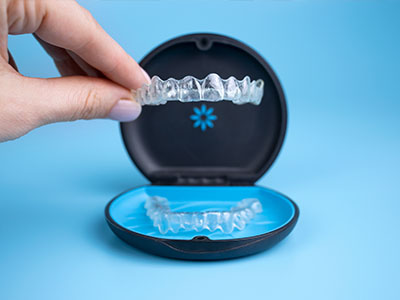
Invisalign® Videos
FAQs
Invisalign® vs Braces
Invisalign® vs Direct-To-Consumer Aligners
Is Invisalign® Right For Me?

Invisalign® Costs
Because the aligners are nearly invisible, many people find they can pursue orthodontic care without calling attention to the process. Aligners sit snugly over the teeth and are replaced in a planned sequence so movement happens gradually and predictably.
The system relies on digital planning and precision manufacturing to translate a treatment plan into a series of custom-fit aligners. Each set of aligners makes subtle adjustments as you progress, working toward the final alignment determined during your initial consultation and planning session.
At the heart of clear-aligner therapy is a careful plan for tooth movement. A clinician uses digital scans and specialized software to map each stage of treatment — from the current positions of the teeth to the desired final result. These stages become the blueprint for a sequence of custom aligners.
Each aligner is designed to apply gentle, targeted pressure to specific teeth. Instead of a single continuous force, the treatment uses a stepped approach: one aligner nudges the teeth a small distance, then the next aligner continues the progression. This controlled sequencing helps the mouth adapt steadily to the changes.
Because aligners are removable, they support normal oral hygiene and allow you to eat without dietary restrictions that come with fixed braces. Removability also means compliance matters: wearing aligners consistently, as recommended by the clinician, is essential for the plan to deliver expected results.
Treatment generally begins with an initial consultation and a digital scan or impression of your teeth. From those records, your dental team creates a customized treatment plan that outlines the number of aligners, estimated duration, and any clinical steps such as attachments or interproximal reduction (minor enamel adjustments) if needed.
After your first set of aligners is provided, routine visits are scheduled at intervals determined by your clinician — typically every six to ten weeks. These short appointments allow the team to monitor progress, make adjustments to the plan if necessary, and supply subsequent sets of aligners.
Most patients notice increasing comfort after the first few days with each new aligner as teeth settle into the next position. Minor soreness or pressure is normal and tends to subside quickly. Throughout treatment, maintaining good oral hygiene and following wear-time recommendations are important to keep the mouth healthy and the plan on track.
Clear aligner therapy can address a wide range of alignment concerns, including spacing, crowding, and many types of bite irregularities. It is often a strong option for adults and teenagers who prefer a discreet approach to orthodontics and who can follow the discipline of daily wear.
There are clinical situations where fixed appliances or other treatments may be more appropriate — for instance, very complex bite corrections or certain skeletal issues. A careful clinical evaluation is the best way to determine candidacy; your provider will explain which approach aligns with your goals and oral-health needs.
During an evaluation, the clinician considers overall oral health, periodontal status, any missing or worn teeth, and the long-term stability of the proposed movements. This balanced assessment ensures that treatment is both effective and safe for your specific situation.
At Frisco Smiles Dentistry, we combine modern technology with individualized attention to guide patients through clear-aligner treatment. Digital planning tools help us visualize outcomes and make adjustments when the treatment plan calls for refinements.
Our approach emphasizes clear communication: we explain the plan, outline what to expect at each stage, and provide practical guidance for wearing and caring for aligners. That support helps patients feel confident and informed throughout the process.
We work closely with patients to establish realistic goals and to tailor treatment to lifestyle needs — balancing predictable clinical outcomes with the practicalities of daily life. Ongoing monitoring and timely adjustments ensure treatment stays aligned with those goals.
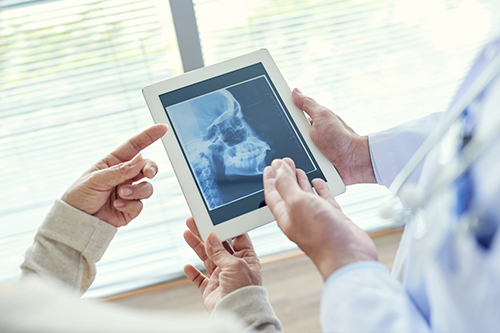
Your initial visit includes a thorough oral exam and detailed imaging. We review your dental health and alignment goals, then outline a clear plan for moving forward.
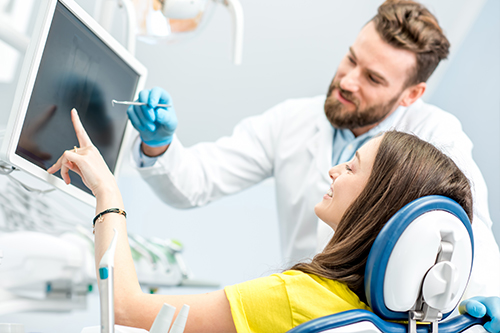
Using 3-D scans, we map the sequence of movements needed to reach the target alignment. You’ll see a visual preview of expected changes before treatment begins.
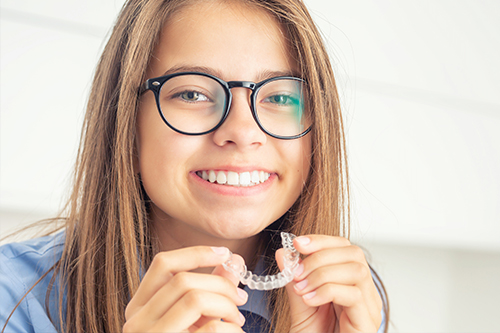
Each aligner is manufactured to the exact specifications of your plan. They are shaped for comfort and designed to guide teeth incrementally and predictably.

Throughout treatment, your clinician checks progress and makes any necessary refinements. Regular short visits help ensure steady, healthy movement.
Watch brief videos that demonstrate typical aligner use, adjustments, and practical tips for daily wear.
*Invisalign® is a registered trademark of Align Technology, Inc.
Clear-aligner therapy provides a discreet, flexible path to a more confident smile. If you’d like to learn whether this approach fits your dental needs, contact Frisco Smiles Dentistry for more information.
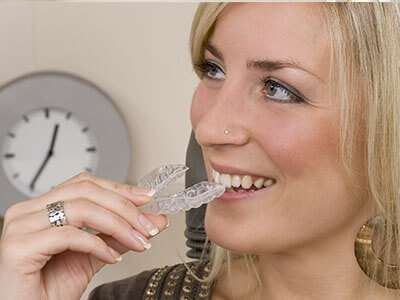
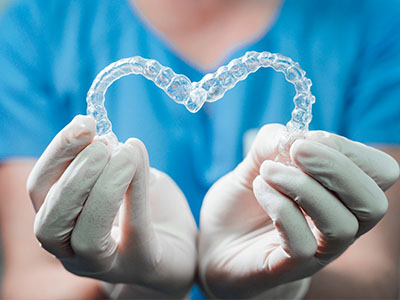
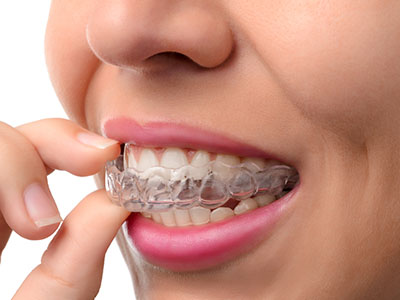
Invisalign is a clear-aligner system that straightens teeth using a planned series of removable, custom-made trays rather than fixed metal brackets and wires. Each aligner is engineered to make small, controlled tooth movements so the overall treatment progresses in predictable stages. Because the trays are nearly invisible and removable, many patients prefer them for aesthetic and lifestyle reasons.
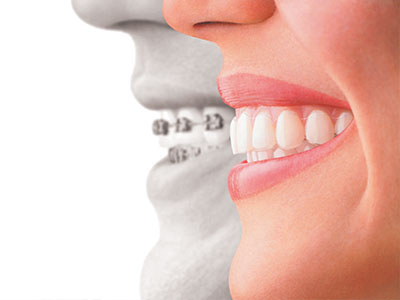
Traditional braces rely on brackets and archwires that are bonded to the teeth and adjusted over time, while clear aligners rely on a digital treatment plan translated into successive trays. Aligners allow patients to maintain usual oral hygiene and to eat without the dietary restrictions often associated with fixed appliances. The choice between aligners and braces depends on the type and complexity of the correction as determined by a clinical evaluation.
Clear-aligner therapy begins with precise digital imaging and a treatment plan that maps each stage of movement from the current position to the desired alignment. Each aligner in the sequence is fabricated to apply gentle, targeted pressure to particular teeth, guiding them into new positions in small increments. This staged approach helps the periodontal ligament and surrounding tissues adapt gradually to the changes.
Clinicians may use small composite attachments bonded to specific teeth to increase the effectiveness of force application or to control rotations and tipping. The predictability of movement depends on accurate planning and patient compliance with wear recommendations. When the actual response differs from the plan, refinements can be made using additional aligners or adjusted treatment steps.
Treatment typically starts with a consultation, a comprehensive oral exam, and a digital scan or impression that informs the customized treatment blueprint. From that plan the lab creates a sequence of aligners and your clinician will outline the expected number of stages and the anticipated duration, while noting that timelines can change with clinical refinements. You will receive your first set of aligners and instructions on wear and care before starting the active phase.
Routine follow-up visits are scheduled to monitor progress and to supply subsequent aligners; the frequency of those visits varies by case and clinician preference. Many patients experience mild pressure or soreness for a few days after changing to a new aligner, which typically eases as teeth settle. If the treatment needs adjustment, your provider can modify the plan and provide additional aligners or targeted clinical steps.
Clear-aligner therapy is an effective option for many people with spacing issues, crowding, and a range of bite irregularities, and it is commonly used for both adults and disciplined teenagers. Candidates should have good overall oral health, including healthy gums and no untreated decay, because underlying dental problems can affect treatment outcomes. Successful results also depend on a patient’s ability to follow wear-time recommendations and maintain consistent care.
Certain complex cases, especially those requiring major skeletal corrections, may be better managed with traditional braces or combined orthodontic and surgical approaches. A comprehensive clinical evaluation and diagnostic records are the only reliable way to determine candidacy and to select the most appropriate treatment pathway. Your clinician will discuss expected outcomes, limitations, and any adjunctive procedures that could improve results.
Because aligners are removable, you should take them out to eat and to brush and floss your teeth so plaque control remains consistent throughout treatment. Clean aligners daily using a soft toothbrush and the cleaning method recommended by your clinician or the manufacturer, avoiding hot water which can warp the plastic. Storing aligners in a protective case whenever they are removed helps prevent loss and contamination.
Maintaining excellent oral hygiene and attending routine dental cleanings is important while undergoing aligner therapy to prevent decay and gum disease. If you notice staining, persistent odor, or a poor fit, contact your dentist promptly so they can evaluate the cause and advise on corrective steps. Good hygiene supports a healthy environment for tooth movement and contributes to predictable outcomes.
When you first begin wearing aligners you may notice a mild change in speech, such as a brief lisp, as your tongue adjusts to the new appliance. Most patients adapt within a few days and resume normal speech without ongoing issues. Aligners are designed to be thin and contoured for comfort, and they generally do not interfere with routine activities or exercise.
The removable nature of aligners also allows flexibility for special occasions, musical performance, or athletic mouthguard use when discussed with your clinician. There are no dietary restrictions since trays are removed for eating, but patients should keep wear time consistent to preserve treatment progress. If you have specific lifestyle concerns, your dental team can offer practical tips to integrate aligner wear into your daily routine.
Some Invisalign plans include adjunctive clinical steps to improve predictability, such as composite attachments placed on teeth to guide specific movements or interproximal reduction (IPR) to create space by gently reshaping enamel. Attachments act as grip points that help the aligner apply force in targeted directions, while IPR is a conservative technique used when slight enamel reduction is needed to relieve crowding. Your clinician will explain the purpose, placement, and expected feel of any such additions during your treatment planning visit.
In certain cases elastics, temporary anchorage devices, or limited fixed appliances may be used alongside aligners to address bite issues or complex movements. These decisions are based on clinical judgment and the goal of achieving a stable, functional result. Any recommended procedures will be discussed in detail so you understand their role in the overall plan.
Progress is monitored through routine in-office appointments and, in some practices, remote check-ins using photos or dedicated monitoring apps. During visits your clinician will verify that tooth movement matches the planned stages, examine fit and oral health, and determine whether refinements are necessary. If movement stalls or the outcome differs from the simulation, additional scans and a revised set of aligners can be created to realign the treatment path.
Maintaining good communication with your dental team and reporting concerns promptly helps the clinician make timely adjustments that keep treatment on track. Regular monitoring also ensures that attachments, if present, remain intact and that any required adjunctive procedures are scheduled efficiently. This iterative approach supports a predictable and controlled path to your desired outcome.
Retention is a critical phase after active tooth movement because teeth have a natural tendency to drift toward their original positions. Your clinician will recommend a retention plan tailored to your needs, which commonly includes a removable retainer or a fixed bonded retainer to maintain alignment. The specifics of retainer wear and duration vary by case and are based on factors such as the type of tooth movement and long-term stability considerations.
Even with retainers, ongoing dental checkups and good oral hygiene remain important to protect the health of teeth and gums. Your provider will explain how often to wear your retainer, how to care for it, and when to schedule follow-up visits to evaluate retention. Consistent adherence to the retention plan is the best safeguard for preserving the results achieved with aligner therapy.
At Frisco Smiles Dentistry we begin with a thorough evaluation that includes a comprehensive exam, digital imaging, and a discussion of your goals to determine whether clear-aligner therapy is appropriate. We use digital treatment planning tools to visualize the proposed movement and to show patients a preview of expected changes before any aligners are fabricated. This collaborative planning helps set realistic expectations and identifies any adjunctive procedures that may improve outcomes.
Throughout treatment our team emphasizes clear communication, hands-on guidance for aligner care, and regular monitoring to ensure the plan progresses as intended. If refinements are needed we update the plan and provide additional aligners or clinical steps to achieve the desired result. Our goal is to combine modern technology with personalized attention so patients receive predictable, safe, and effective care.