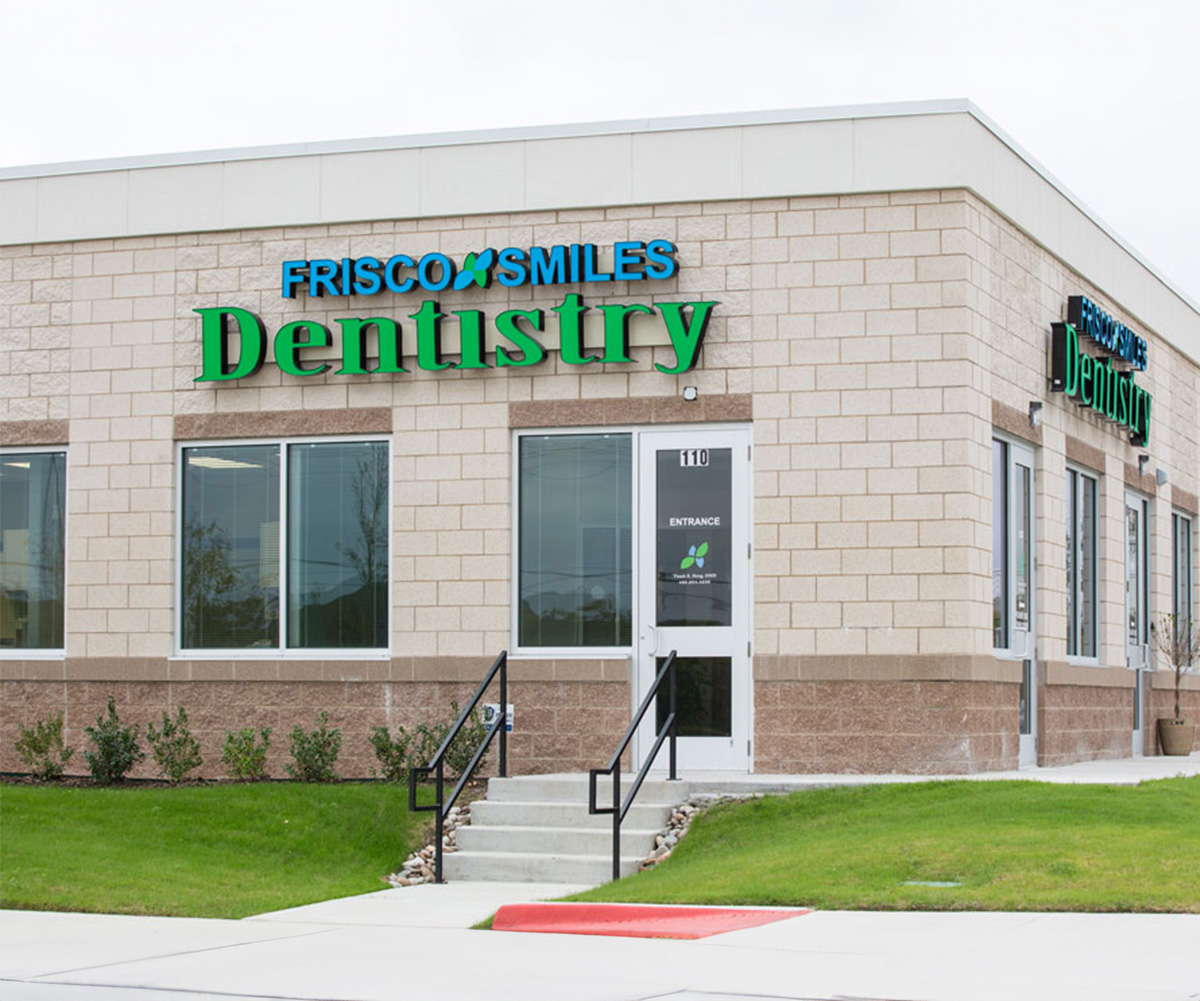
Our Office
Visit Us Online


Bruxism — the habit of grinding or clenching the teeth — often happens during sleep, though some people also do it while awake. It isn’t just an annoying nighttime noise; repeated grinding places abnormal forces on the teeth, jaw muscles, and the temporomandibular joints (TMJ). Over time these forces can cause tooth wear, fractured restorations, muscle soreness, and a persistent ache in the face or head upon waking.
The reasons people develop bruxism are varied. Psychological factors such as stress and anxiety are common triggers, but physical contributors — including an irregular bite, missing or crowded teeth, and certain sleep disorders — can play significant roles. In many cases multiple factors interact, so a thoughtful assessment helps identify what’s driving the habit for each patient.
Because bruxism can present differently from person to person, early recognition is important. Signs you or a family member might be grinding include morning jaw stiffness, frequent headaches, flattened or chipped tooth surfaces, and complaints from a bed partner about nightly teeth noises. A dental exam can confirm whether wear patterns and muscle tenderness point to nighttime grinding.
A night guard is a simple, barrier-style appliance worn over the teeth during sleep. Its primary function is to separate the upper and lower teeth so they cannot grind directly against each other. By redistributing and absorbing biting forces, a properly fitted night guard reduces the risk of cracked teeth, worn enamel, and damage to dental work like crowns and fillings.
Beyond protecting tooth structure, night guards can relieve stress on the jaw muscles and the TMJ. When the jaw muscles are prevented from sustaining prolonged clenching, inflammation and muscle spasm tend to decrease. Many patients notice reduced morning tension and fewer headaches once they consistently use their night guard.
Night guards can also improve sleep quality for some people by lessening micro-arousals caused by forceful grinding episodes. While they don’t cure the underlying causes of bruxism, night guards are an evidence-based way to limit harm and give both teeth and muscles a chance to recover.
Night guards range from thin, over-the-counter boil-and-bite trays to professionally fabricated devices made from durable dental materials. Over-the-counter products can offer a temporary measure, but they typically lack the precision fit and material resilience of a custom appliance. A poor fit may be uncomfortable, shift during sleep, or fail to distribute forces appropriately.
Custom night guards are made from impressions or digital scans of your teeth and are adjusted to your bite. These appliances are designed to sit comfortably, minimize speech interference, and provide long-term resilience against heavy wear. Material choices and thickness can be tailored to whether someone primarily clenches (sustained pressure) or grinds (side-to-side motion).
When deciding which option is right, it helps to weigh factors such as severity of wear, existing dental work, comfort preferences, and how consistently the appliance will be used. Your dental team can explain the trade-offs and recommend the approach most likely to protect your oral health and support restful sleep.
When a custom night guard is recommended, the process begins with a comprehensive oral exam. We evaluate tooth wear, muscle tenderness, joint function, and the fit of existing restorations. If signs point to active bruxism, the next step is to capture an accurate record of your bite using digital scans or traditional impressions.
From that record, a lab or in-office milling system fabricates a night guard that mirrors the surfaces of your teeth while positioning the jaws in a protective relationship. The appliance is then tried in and fine-tuned for comfort and function. Small adjustments ensure that the device stays stable during sleep and evenly disperses biting forces.
Follow-up visits are important in the first weeks after delivery so your clinician can assess wear patterns and comfort. Over time, the night guard may require occasional polishing or relining to maintain optimal fit. This structured approach — assessment, customized fabrication, and scheduled review — helps patients get the most benefit from their appliance.
At Frisco Smiles Dentistry, we prioritize a personalized approach so each night guard addresses the patient’s unique anatomy and habits. That helps maximize protection while maintaining comfort, which encourages consistent use.
Proper care extends the life of a night guard and keeps it hygienic. Rinse the appliance after use, clean it daily with a soft brush and mild, non-abrasive cleaner, and store it in a ventilated case when not in use. Avoid hot water or harsh chemicals that can warp or degrade the material. Periodic cleaning of the storage case is also recommended to prevent bacterial buildup.
It’s normal for a night guard to show gradual wear over time; however, sudden changes in fit, persistent soreness, or visible cracks mean you should schedule an appointment. Regular dental visits allow your clinician to monitor both your oral health and the condition of the appliance, making timely adjustments or recommending a replacement when necessary.
Additionally, if new symptoms develop — worsening jaw pain, increased headaches, or changes in bite — these can suggest that the underlying problem has evolved and may need further evaluation. Proactive care and timely follow-up help ensure the night guard continues to protect your smile effectively.
In summary, night guards are a practical, well-established tool for limiting the damage caused by bruxism and easing related jaw and muscle symptoms. A tailored, professionally made appliance offers the best combination of comfort and protection, and regular follow-up maintains its effectiveness. If you’d like to learn more about how a night guard could help you or a family member, please contact us for more information.
Bruxism is the habitual grinding or clenching of the teeth that commonly occurs during sleep but can also happen while awake. Repeated grinding places abnormal forces on tooth enamel, restorations, jaw muscles and the temporomandibular joints, which can lead to wear, fractures and morning soreness. Early recognition of signs such as flattened teeth, morning jaw stiffness or partner complaints about nighttime noises helps prompt further evaluation.
The causes of bruxism are often multifactorial and can include psychological contributors like stress and anxiety as well as physical factors such as an irregular bite, missing or crowded teeth and certain sleep disorders. In many patients, several factors interact, so a careful dental and medical history along with an exam is useful for identifying likely drivers. Understanding the underlying contributors helps guide appropriate management beyond simply protecting the teeth.
A night guard is a barrier-style appliance worn over the teeth during sleep that separates the upper and lower teeth so they cannot grind directly against each other. By redistributing and absorbing biting forces, a properly fitted night guard reduces the risk of cracked teeth, worn enamel and damage to crowns and fillings. It also limits the direct impact of lateral grinding, which is a common source of rapid wear and restoration failure.
Beyond protecting tooth structure, night guards can reduce sustained clenching forces on the jaw muscles and the temporomandibular joints, often easing inflammation and muscle spasm. Many patients notice reduced morning tension and fewer headaches when they use their appliance consistently. While a night guard does not cure the root cause of bruxism, it is an evidence-based way to limit harm and allow muscles and teeth time to recover.
Over-the-counter night guards, including boil-and-bite trays, can provide a temporary measure but typically lack the precision fit and material resilience of professionally fabricated appliances. Poorly fitting OTC devices may be uncomfortable, shift during sleep or fail to distribute forces appropriately, which can reduce their protective value. In contrast, custom night guards are made from impressions or digital scans of the mouth and are adjusted to the patient’s bite for a stable, comfortable fit.
Custom appliances are fabricated from durable dental materials and can be tailored in thickness and design to address whether a patient predominantly clenches or grinds. They are also better suited to protect existing restorations and to remain comfortable over long-term use. Your dental team can explain the advantages and recommend the type of appliance most likely to protect your oral health given your symptoms and dental history.
Patients who show signs of tooth wear, fractured restorations, unexplained sensitivity, morning jaw stiffness or frequent headaches are common candidates for a custom night guard. Those with active dental work such as crowns, bridges or large fillings may particularly benefit because the appliance helps distribute forces and reduce the risk of costly damage. A comprehensive dental exam helps determine whether an appliance is appropriate and what design will best address the patient’s pattern of grinding or clenching.
Individuals with significant TMJ symptoms or suspected sleep-related breathing disorders should receive a thorough evaluation because the appliance type and overall care plan may differ. Patients who only occasionally grind with minimal wear may begin with conservative measures and monitoring, while those with progressive damage typically require a more protective, custom solution. The clinician’s assessment guides a personalized recommendation that balances protection, comfort and long-term oral health.
The custom night guard process begins with a comprehensive oral exam that evaluates tooth wear, muscle tenderness and joint function to confirm active bruxism and identify any contributing factors. The clinician then captures an accurate record of the bite using digital scans or traditional impressions so the appliance can be fabricated to match your dental anatomy. Fabrication may occur at a dental laboratory or with an in-office milling system depending on the practice workflow and material selected.
Once the night guard is made, it is tried in and fine-tuned for comfort and function with small adjustments to ensure stability during sleep and even force distribution. Follow-up visits in the initial weeks allow the clinician to assess wear patterns and make any necessary refinements, and periodic reviews thereafter help maintain optimal fit. This structured approach helps maximize protection while supporting consistent appliance use.
Rinse your night guard after each use and clean it daily with a soft toothbrush and a mild, nonabrasive cleaner to remove plaque and saliva residue. Avoid hot water, bleach, alcohol-based solutions or household cleaners that can warp or degrade the material, and do not use abrasive toothpastes that may scratch the appliance. Periodically clean the storage case as well, since it can harbor bacteria if left uncleaned.
Store the appliance in a ventilated case when not in use to allow it to dry and to protect it from physical damage. Inspect your night guard regularly for cracks, thinning or changes in fit, and bring it to scheduled dental appointments so the clinician can evaluate wear. Proper care extends the life of the device and helps maintain a hygienic oral environment.
Initial follow-up visits are important in the first few weeks after receiving a night guard so your clinician can confirm fit, check for pressure points and observe early wear patterns. If you experience sudden changes in fit, persistent soreness, new or increased jaw pain, or discover visible cracks in the appliance, you should schedule an appointment promptly. These signs can indicate that adjustments or a replacement is needed to maintain protection and comfort.
Gradual wear is expected with regular use, but the frequency of replacement depends on the material, the severity of grinding and how consistently you use the guard. During routine dental exams your provider will monitor both the appliance and your oral condition and will recommend polishing, relining or replacement when necessary. Proactive review helps prevent damage to teeth and restorations over time.
A well-fitted night guard can reduce excessive muscle activity and lessen mechanical stress on the temporomandibular joints, which often leads to reduced morning jaw tension and fewer tension-type headaches. By interrupting harmful grinding contacts and redistributing forces, the appliance can lower inflammation and allow muscles to relax. Many patients report symptomatic improvement once they consistently use a device that fits properly.
However, night guards do not address all causes of TMJ disorders or chronic headaches, and they are most effective when used as part of a comprehensive plan that may include behavior modification, stress management and physical therapies. If symptoms persist or change, a more detailed evaluation is warranted to rule out other medical or dental contributors. Collaboration between the patient and clinician helps identify the most effective combination of therapies for long-term relief.
Night guards can be appropriate for adolescents who exhibit bruxism with evidence of progressive tooth wear, damage to restorations or pain, but growth and dental development must be considered. Because teeth and jaws change during childhood and the teenage years, appliances for younger patients are typically designed with the expectation of future adjustments. A pediatric-focused dental assessment helps determine whether an appliance is indicated and what design will accommodate development.
When a night guard is recommended for a young patient, the clinician will schedule regular monitoring to track dental eruption and jaw growth and to modify or replace the appliance as needed. For transient grinding related to stress or developmental stages, conservative monitoring and habit-management strategies may be sufficient. Custom solutions are preferred when long-term protection is necessary to prevent irreversible tooth damage.
Comfort and consistent use begin with a proper fit and a realistic wear-in period; minor adjustments by the clinician after the initial try-in often make a significant difference in day-to-day comfort. Follow the cleaning and storage recommendations provided by your dental team to keep the appliance hygienic and fresh, and bring it to appointments so adjustments can be made if pressure spots or fit changes occur. Communicating any discomfort or new symptoms promptly allows the clinician to fine-tune the device before a patient stops wearing it.
Establishing a nightly routine that includes placing the guard in the mouth and storing it properly during the day helps make use habitual, which in turn protects teeth and restorations more reliably. If you have questions about fit or function, discuss them with your provider at Frisco Smiles Dentistry so that minor modifications or alternative designs can be considered. Working closely with your clinician promotes long-term compliance and the best possible protective outcome.