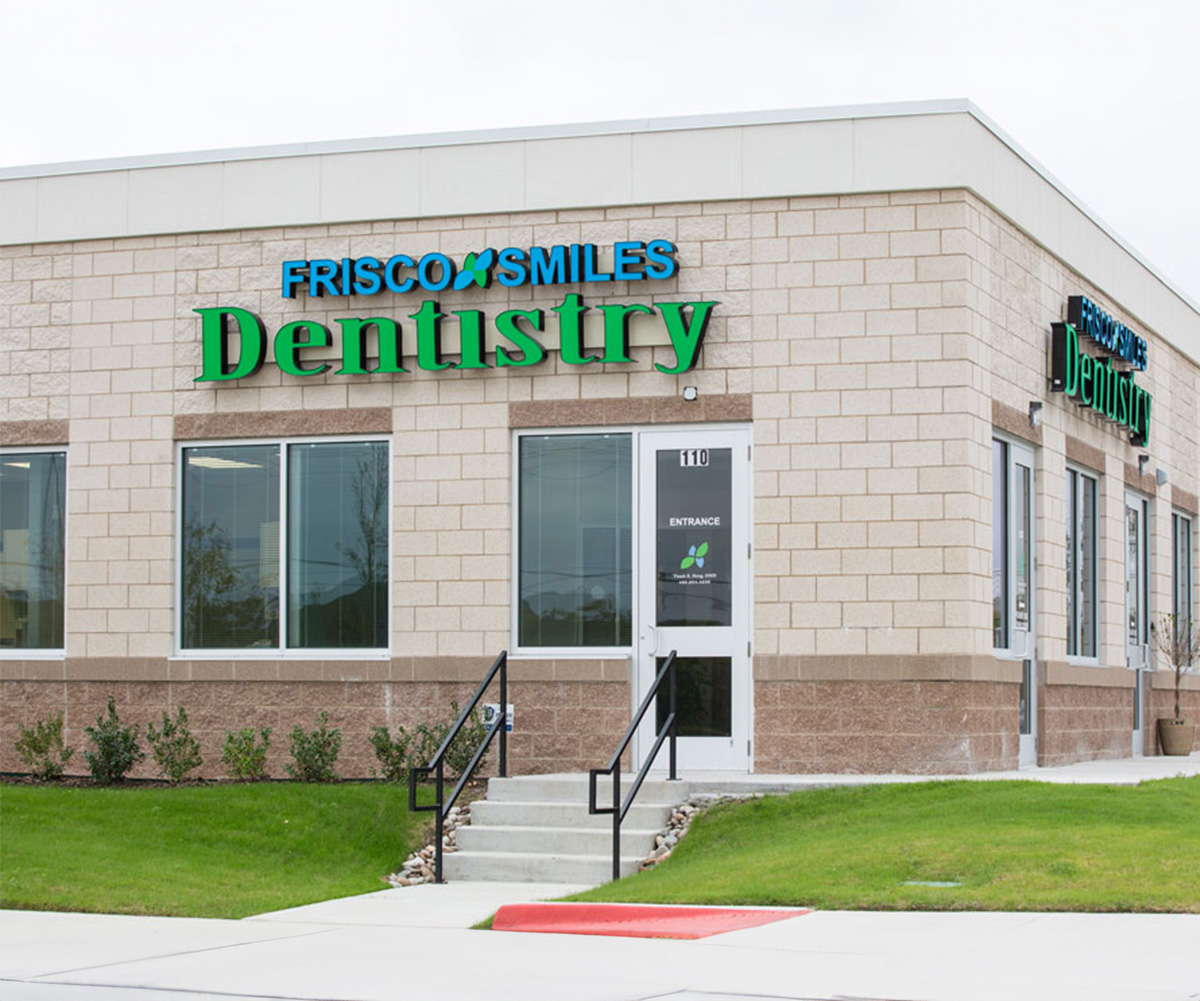
Our Office
Visit Us Online


Oral cancer represents a small but significant portion of cancer diagnoses in the United States, accounting for roughly 2.9% of new cases. According to estimates from the American Cancer Society, about 51,000 people in the U.S. will receive a diagnosis of oral or oropharyngeal cancer this year, and nearly 10,000 deaths are expected. These numbers highlight that while oral cancer is not among the most frequent cancers, its impact is serious because early detection strongly influences outcomes.
Awareness matters because early-stage lesions and abnormalities are often easier to treat and carry a better prognosis. Advances in treatment and increased attention to screening have helped decrease mortality in many settings, but trends are shifting: certain forms of oropharyngeal cancer have risen in recent years, changing the landscape of risk and emphasizing the need for routine, careful examinations.
At our practice, we view oral cancer screening as an essential component of routine dental care. Integrating this screening into regular dental visits helps identify suspicious changes before they progress, providing patients with the best chance for timely referral and treatment when necessary.
Oral cancer can affect anyone, but some groups carry higher risk. Historically, men have been about twice as likely as women to develop oral cancer, and older adults—particularly those over 50—are at increased risk. Tobacco use and heavy alcohol consumption remain two of the strongest and most well-documented contributing factors. When these behaviors occur together, they multiply risk rather than simply adding it.
Beyond tobacco and alcohol, other influences include prolonged ultraviolet exposure (which primarily affects the lips), a history of radiation to the head and neck, certain occupational chemical exposures, and chronic irritation or poor nutrition. More recently, infection with high-risk strains of human papillomavirus (HPV) has been linked to a rise in oropharyngeal cancers, particularly in younger adults and individuals without the traditional tobacco or alcohol risk profile.
Understanding these risk factors helps patients and clinicians focus screening efforts and tailor preventive advice. Even individuals without obvious risks benefit from routine exams, since early lesions can be asymptomatic and not visible without a careful professional inspection.
A routine oral cancer screening is a straightforward but thorough process that fits naturally into a comprehensive dental exam. The clinician begins by reviewing the patient’s medical and dental histories, asking about recent changes in health, new symptoms, tobacco or alcohol use, and any concerns about persistent sores or lumps. This context guides the exam and determines if additional testing or referral is warranted.
Next comes a visual and tactile examination of the mouth and surrounding areas. The dentist inspects the lips, tongue, floor and roof of the mouth, inner cheeks, gums, and the oropharynx when feasible, then palpates the tongue, jaw, and neck to check for lumps, thickening, or other abnormalities. The process is quick, typically painless, and can be completed during a standard appointment.
If the clinician notices an area of concern—such as a non-healing ulcer, persistent red or white patch, or firm lump—patients may be monitored more closely, referred to a specialist, or recommended for adjunctive testing. The overall goal is to identify suspicious findings early while avoiding unnecessary alarm; most irregularities are benign, but any suspicious change warrants attention.
Many oral cancers begin as subtle changes that may go unnoticed without regular dental care. Patients should be mindful of persistent signs that last longer than two weeks, such as sores that fail to heal, unusual lumps or bumps, persistent pain or numbness in the mouth, or changes in speech, chewing, or swallowing. A noticeable white or red patch, an unexplained lump in the neck, or a chronic sore throat can also be early indicators.
Other symptoms can include changes in how teeth fit together, bleeding that is not attributable to gum disease, and difficulty moving the tongue or jaw. Because these signs overlap with many common, noncancerous conditions, a professional evaluation is important to determine the cause and to ensure appropriate follow-up when needed.
If you notice any persistent or unexplained oral symptom, schedule an exam promptly. Early assessment allows clinicians to distinguish benign conditions from potentially serious ones and to initiate timely referral or treatment when indicated.
While not all cases of oral cancer are preventable, several practical steps reduce risk and support early detection. Avoiding tobacco in all forms and limiting alcohol consumption are primary preventive measures. Protecting the lips from excessive ultraviolet exposure with broad-spectrum sunscreen or protective clothing reduces risk of lip cancer. Staying current with HPV vaccination, when appropriate, helps reduce risk for HPV-associated oropharyngeal cancers.
Routine dental care plays a central role in prevention and early identification. Regular professional exams, cleanings, and open communication about lifestyle factors provide opportunities to catch changes early. Clinicians also offer guidance on improving oral hygiene, nutrition, and other habits that contribute to long-term oral health.
Finally, being observant of your own mouth—checking for persistent sores, lumps, or changes—and reporting concerns promptly to your dental provider fosters a collaborative approach to risk reduction. When patients and clinicians work together, the chances of identifying problems early and achieving the best outcomes increase substantially.
In summary, oral cancer screening is a routine, evidence-based part of comprehensive dental care that improves the likelihood of early detection and better outcomes. Frisco Smiles Dentistry is committed to thorough, compassionate screenings during regular visits and to educating patients about risk factors and warning signs. If you have questions or would like more information about oral cancer screening, please contact us to speak with a member of our team.
An oral cancer screening is a focused clinical exam of the mouth, throat and surrounding tissues performed to detect early signs of cancer or precancerous changes. The process relies on a careful visual inspection and palpation to identify sores, red or white patches, lumps, or any other abnormalities that may warrant further evaluation. Screenings are a preventive measure that aim to find changes before they cause symptoms or progress to a more advanced stage.
During a screening, clinicians use their training and diagnostic experience to distinguish common benign conditions from findings that need close follow-up or referral. While adjunctive technologies exist, the cornerstone of detection remains a skilled clinical exam and an accurate health history. At Frisco Smiles Dentistry we incorporate oral cancer screening into routine visits to support early detection and patient education.
All adults benefit from routine oral cancer screenings, but certain groups are at higher risk and should be especially vigilant. People who use tobacco or consume alcohol heavily, those with a history of significant sun exposure to the lips, individuals with prior head and neck radiation, and those infected with high-risk HPV strains face increased risk. Age and sex also influence risk, with older adults and men historically showing higher incidence rates.
Even patients without obvious risk factors can develop oral or oropharyngeal cancers, so screenings are recommended as part of standard dental care for most adults. Regular dental visits provide the best opportunity for early detection because many early lesions are asymptomatic. Discussing your individual risk with your dental team helps tailor screening frequency and any additional precautions.
A typical screening begins with a review of your medical and dental history and questions about symptoms, tobacco or alcohol use, and any recent changes in your mouth or throat. The clinician then performs a systematic visual inspection of the lips, cheeks, tongue, floor and roof of the mouth, gums and oropharynx when accessible, followed by gentle palpation of the tongue, jaw and neck. The exam is usually quick, painless and completed during a routine appointment.
If the clinician finds an area of concern, they may recommend closer observation, additional diagnostic testing, or referral to an oral medicine specialist, ENT or oral surgeon. Most abnormalities are benign, but timely evaluation ensures appropriate management when something suspicious is detected. Dr. Thanh K. Hong and our team emphasize clear communication about findings and next steps to keep patients informed.
Patients should seek evaluation for any oral change that persists longer than two weeks, such as a sore that does not heal, unexplained lumps, persistent pain or numbness, or alterations in speech, chewing or swallowing. Noticeable red or white patches, bleeding not explained by gum disease, and chronic sore throat or a persistent lump in the neck also warrant timely assessment. These signs can overlap with benign conditions, which is why professional evaluation is important.
Early reporting of symptoms increases the chance of diagnosing issues at a treatable stage and avoids unnecessary delays. If you notice any persistent or unusual oral symptoms between scheduled visits, contact your dental provider to arrange an exam. Prompt assessment allows clinicians to determine whether observation, testing or referral is appropriate.
Most dental professionals include an oral cancer screening as part of the routine comprehensive exam during biannual dental visits, which provides regular monitoring for new or changing findings. Patients with higher risk factors—such as tobacco use, heavy alcohol consumption, prior head and neck radiation, or persistent oral lesions—may need more frequent evaluations based on individualized clinical judgment. Your dental team will recommend a screening schedule tailored to your health history and risk profile.
Consistency in routine exams is a practical strategy for early detection because many early changes are subtle and develop over time. Keeping scheduled appointments and reporting new symptoms between visits help maintain an ongoing watch for worrisome changes. Preventive care and communication are key components of an effective screening program.
In addition to the visual and tactile clinical exam, clinicians may use adjunctive tools such as tissue staining, fluorescence visualization, or cytology brushes to aid assessment of suspicious areas. These tools can highlight abnormal tissue or help guide decisions about whether a biopsy or specialist referral is necessary, but they do not replace a comprehensive clinical evaluation. The choice to use adjunctive testing depends on the clinical presentation and the provider’s judgement.
If a lesion appears suspicious after initial assessment and adjunctive testing, the definitive diagnosis typically requires biopsy and histopathologic analysis performed by a specialist. Timely coordination between the dental team and medical specialists ensures appropriate diagnostic and treatment planning. Patients should understand that adjunctive tools are aids rather than standalone definitive tests.
If a suspicious lesion is identified, your dentist will explain the finding, document its appearance and may schedule a short-term re-evaluation to see if it resolves. Persistent or concerning lesions are usually referred for biopsy or evaluation by an oral surgeon, oral medicine specialist or ENT physician to obtain a definitive diagnosis. Referral pathways are intended to ensure prompt, specialized assessment when indicated.
Follow-up protocols aim to balance appropriate caution with avoidance of unnecessary alarm, because many oral abnormalities are benign. Your dental team will guide you through the steps, including referral logistics, what to expect during specialist assessment and recommended timelines for testing or monitoring. Clear communication throughout the process supports timely diagnosis and coordinated care.
Oral cancer screening is highly useful for detecting many cancers that are visible or palpable in the oral cavity and accessible oropharynx, but it has limitations and cannot identify every cancer at the earliest microscopic stage. Some tumors arise in areas that are harder to visualize, and certain precancerous changes may be subtle or hidden beneath normal tissue. Therefore, screening should be combined with awareness of symptoms and appropriate use of imaging or specialist referral when clinical suspicion remains high.
Because of these limitations, maintaining regular dental care and reporting persistent symptoms are essential complements to formal screening. When clinical concern persists despite a normal initial exam, further diagnostic steps such as biopsy, imaging or ENT consultation are the appropriate next actions. Collaboration between dental and medical providers improves the likelihood of timely, accurate diagnosis.
Primary prevention strategies focus on eliminating or reducing known risk factors, including avoiding tobacco in all forms and limiting alcohol consumption. Protecting the lips from excessive ultraviolet exposure, staying current with HPV vaccination when recommended, maintaining a balanced diet and practicing good oral hygiene also contribute to lower risk. Regular dental visits for professional care and education support early detection and healthier habits.
Patient self-awareness is another important preventive tool: routinely checking the mouth for persistent changes and reporting concerns promptly can lead to earlier assessment and intervention. Your dental team can provide tailored advice based on personal risk factors and help connect you with appropriate medical resources for vaccination or cessation support. Prevention and early detection together offer the best chance to reduce disease burden.
If an abnormality is suspected or a diagnosis is confirmed, the dental team helps coordinate timely referrals to oral surgeons, oral medicine specialists, otolaryngologists or oncologists as appropriate for diagnostic testing and treatment planning. Coordination typically includes sharing clinical findings, diagnostic images or biopsy results and communicating recommended timelines and follow-up expectations to the patient. This collaborative approach ensures that patients receive comprehensive care across dental and medical specialties.
Throughout the referral and treatment process, the dental practice supports patients by helping manage oral side effects of therapy, offering preventive dental care and providing ongoing oral health follow-up. Maintaining open communication with treating specialists helps ensure that oral health needs are addressed during and after cancer treatment. Frisco Smiles Dentistry is committed to compassionate coordination of care and patient education in these situations.