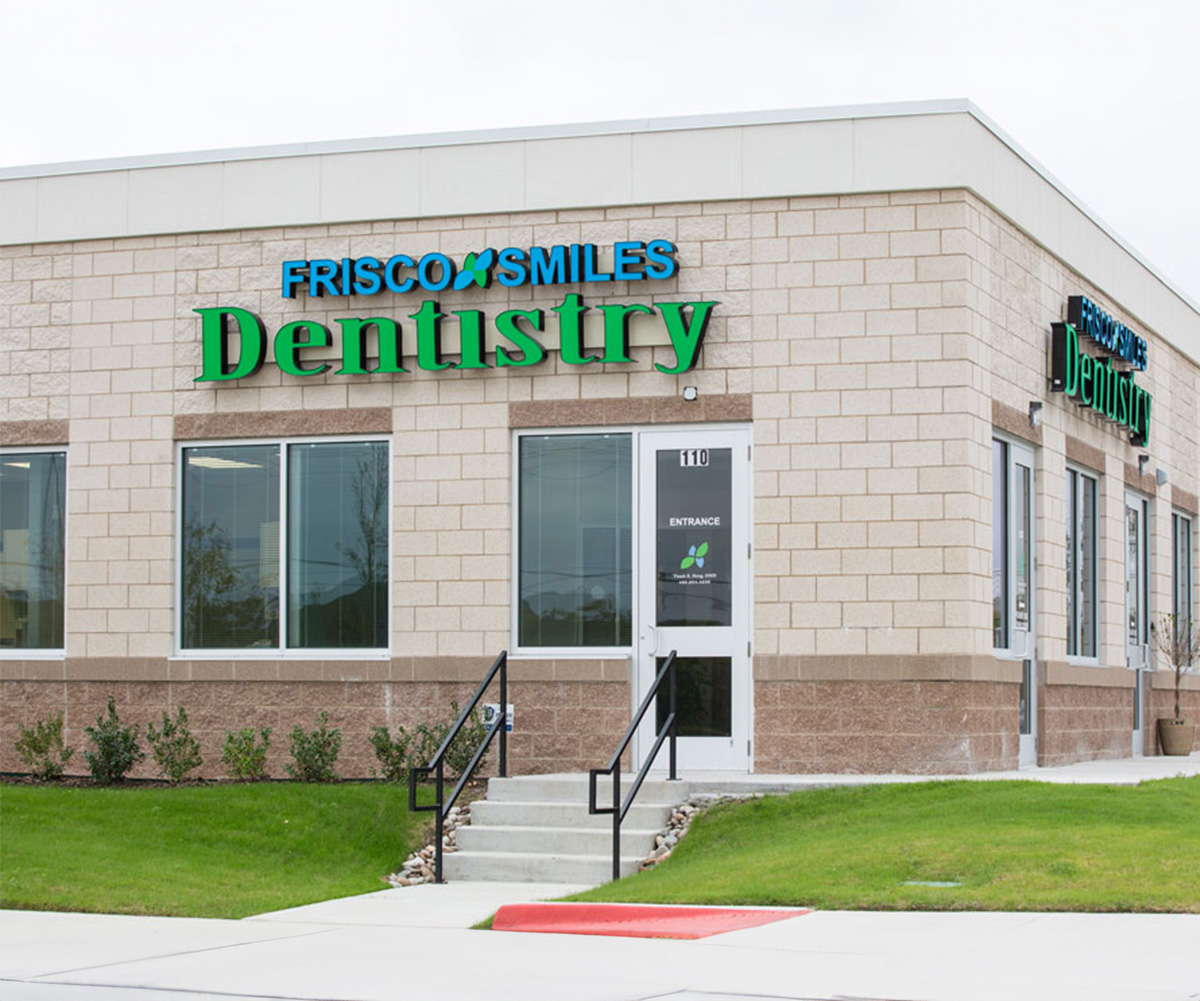
Our Office
Visit Us Online


At Frisco Smiles Dentistry, we treat children's dental health as a partnership with families. From a child’s first tooth through the teenage years, our goal is to build strong habits, prevent disease, and support confident smiles that grow with each stage of development. We combine a gentle, age-appropriate approach with modern tools so families feel informed and children feel comfortable at every visit.

Good oral health begins long before adult teeth arrive. Introducing your child to routine dental care early helps normalize visits, lets the dentist monitor growth and development, and gives parents evidence-based guidance on daily habits. Early encounters focus on comfort and education—setting expectations rather than rushing into treatment—and they often determine how a child will respond to dentistry throughout life.
At early visits we concentrate on prevention: examining the gums, counting teeth, and giving simple demonstrations on brushing and flossing tailored to the child’s age. We also discuss feeding practices and nighttime habits that can affect dental health, such as extended bottle use or frequent sugary drinks. These conversations help families take small, practical steps at home to lower the risk of cavities and protect developing smiles.
When concerns are identified, the emphasis remains on minimally invasive options and clear explanations for parents. Whether it’s early application of protective treatments, monitoring erupting teeth with periodic radiographs when necessary, or creating a plan for developmental issues, an early start gives us the best chance to keep treatment simple and predictable.
Healthy mouths are built on consistent daily routines. Encouraging a twice-daily brushing and once-daily flossing routine—supervised at younger ages—lays the foundation for a lifetime of good habits. Making oral care engaging, using child-sized brushes and fun timers, and modeling positive behavior as caregivers all help children accept and eventually embrace self-care.
Nutrition plays an equally important role. Frequent exposure to sugary snacks and drinks creates an environment where decay-causing bacteria thrive. Practical swaps—water instead of juice, whole fruits over candy, and balanced meals instead of constant snacking—support both oral and general health. We work with families to create realistic, sustainable strategies that fit everyday life.
Protective measures available in the dental office, such as fluoride varnish or dental sealants on permanent molars, provide an extra layer of defense against decay. These treatments are applied quickly and comfortably and are especially useful for children who are at higher risk. We review each child’s needs and recommend the most appropriate preventive steps based on age and individual risk factors.
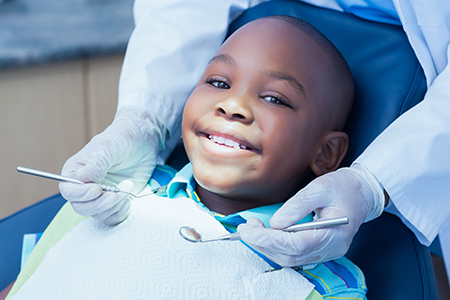
Routine visits are structured around a thorough but friendly assessment. We start with a review of health history and concerns, then perform a complete clinical exam of the teeth, gums, jaw, and oral tissues. For many children the exam is quick and painless; for those who are anxious, we take time to explain steps and use child-centered communication to reduce fear.
Professional cleanings remove plaque and soft debris from surfaces and between the teeth where home care may miss. These cleanings, combined with targeted coaching on technique, help children learn how to clean effectively. Digital radiographs are used selectively and only when necessary to evaluate what lies beneath the surface—cavities, tooth position, or developmental concerns—so we can intervene early if needed.
After the clinical portion, we spend time with parents and caregivers to outline findings and make personalized recommendations. Topics often include brushing tips, nutritional advice, the timing for sealants or fluoride, and guidance on pacifier or thumb-sucking habits. Our goal is to ensure families leave with clear, practical steps to maintain oral health between visits.
Tooth decay remains one of the most common health issues in childhood, but it is largely preventable. Early intervention, consistent daily hygiene, and strategic office-based measures reduce the incidence and severity of cavities. Understanding common risk factors—such as prolonged exposure to sugary liquids, inadequate brushing, or frequent snacking—helps parents focus prevention where it matters most.
We explain how decay develops in simple terms so caregivers can act confidently. For infants and toddlers, we emphasize avoiding putting babies to bed with bottles containing milk, formula, or juice and recommend plain water if a bottle is needed at night. For older children, timely placement of sealants on permanent molars and periodic fluoride applications can dramatically lower decay risk in susceptible areas of the mouth.
If a cavity or dental infection is found, treatment is approached with minimally invasive options whenever possible and with a priority on reducing anxiety and preserving the tooth. Our pediatric dental approach balances effective clinical care with empathy and reassurance, so children recover quickly and understand the importance of ongoing prevention.

Tooth development begins before birth, and primary teeth typically start erupting around six months of age. Because tooth eruption and early oral care set the stage for later oral health, major pediatric dental organizations recommend a first dental visit by the child’s first birthday or within six months of the first tooth’s appearance. This early appointment focuses on prevention, guidance, and familiarization rather than procedures.
Teething can be uncomfortable, and parents often ask how to soothe their child. Simple measures—cold teething rings, gentle gum massage with a clean finger or cloth, and distraction—are effective for many infants. If symptoms are unusually severe or accompanied by fever or other signs of illness, the dental team can advise on next steps and when to seek medical evaluation.
Primary teeth are important placeholders for permanent teeth and are essential for proper chewing, speech development, and social interactions. Protecting those early teeth from decay and injury preserves space and supports normal oral development. Our early visits emphasize prevention and give parents the tools they need to keep their child’s first teeth healthy.
As children enter school and adolescence, their dental needs evolve. We monitor facial growth, jaw development, and tooth alignment at each visit so any emerging orthodontic issues can be identified early. Timely screening allows families to consider options at the most effective stages of development and can simplify future orthodontic care when it’s indicated.
Active lifestyles raise additional considerations—sports-related impacts, braces or aligners, and increased independent responsibility for oral hygiene. Custom-fitted mouthguards and coaching on how to clean around braces or clear aligners are practical measures that protect the smile and make care manageable. We work with families and orthodontic specialists when coordinated treatment is needed.
We also prepare parents and teens for transitional milestones: the arrival of permanent molars, evaluation of wisdom teeth development, and the shift to self-directed oral care. When urgent issues arise—trauma to a tooth, sudden pain, or signs of infection—we provide calm, efficient care designed to relieve pain and preserve long-term function.
In summary, children's dental care is most effective when it blends prevention, timely intervention, and supportive education. From the first tooth through the teen years, an individualized, family-centered approach helps children develop healthy habits and resilient smiles. Frisco Smiles Dentistry is committed to guiding families through each stage with expertise and care; please contact us for more information about pediatric dental services or to discuss your child’s needs.

Major pediatric and dental organizations recommend a child's first dental visit by their first birthday or within six months of the first tooth erupting. Early visits focus on prevention, familiarization, and education rather than treatment. These appointments help establish a dental home and set expectations for future care.
During the first visit the dentist will review health history, examine the gums and erupting teeth, and provide guidance on cleaning and feeding practices. Parents receive practical tips on preventing early decay and maintaining healthy routines at home. Establishing regular checkups allows the dentist to monitor development and intervene early when needed.
Teething is a normal developmental process that often begins around six months of age and can cause discomfort for some infants. Simple soothing techniques include chilled teething rings, gentle gum massage with a clean finger or cloth, and distraction with comforting activities. These measures usually reduce discomfort without medication.
If a child shows persistent severe symptoms, fever, or signs of illness beyond teething, parents should contact their pediatrician or dental provider for evaluation. Over-the-counter topical anesthetics are not routinely recommended for infants without professional guidance. The dental team can offer specific advice tailored to a child's symptoms and medical history.
Several evidence-based preventive treatments reduce the risk of decay as children grow, including fluoride varnish and professionally applied dental sealants for appropriate teeth. Fluoride varnish is a quick, safe application that strengthens enamel and is used at routine visits for children at increased risk. Sealants protect the grooves of permanent molars once they erupt and can be placed in the dental office.
The dentist will assess each child's individual risk profile and recommend a preventive plan that balances minimally invasive treatment with long-term protection. Selective use of digital radiographs allows the team to detect problems early while limiting exposure. Dr. Hong and the team emphasize clear explanations so parents understand the purpose and timing of each preventive step.
Consistent daily habits are the foundation of a healthy childhood smile, starting with twice-daily brushing and once-daily flossing when teeth touch. Younger children benefit from supervised brushing using a child-sized toothbrush and a pea-sized amount of fluoride toothpaste to ensure effective technique. Modeling positive oral care and making routines playful help children adopt lifelong habits.
Establishing predictable routines around morning and bedtime brushing and keeping brushes and floss accessible makes consistent care more likely. Parents can use timers, songs, or reward charts to motivate practice without pressure. The dental team provides hands-on coaching and age-appropriate tips to improve technique during visits.
A routine pediatric checkup typically begins with a review of medical history and any parental concerns, followed by a gentle clinical exam of the teeth, gums, and oral tissues. Professional cleanings remove plaque and debris while the hygienist or dentist coaches the child on brushing and flossing technique. Communication is child-centered to reduce fear and build trust.
Digital radiographs are used selectively when necessary to evaluate developing teeth, detect decay between teeth, or monitor growth. After the clinical assessment the team meets with parents to explain findings and recommend preventive measures such as sealants, fluoride, or behavioral strategies. The visit ends with practical, individualized guidance families can use at home.
Dental anxiety in children is common and can be addressed through patient, stepwise behavior guidance techniques that build confidence over time. The practice uses a child-centered approach that includes clear explanations, demonstrations, and positive reinforcement to make visits predictable and calm. In many cases brief acclimation visits or distraction techniques are enough to establish comfort.
For children with more significant fear the team works with parents to develop gradual desensitization plans and discusses appropriate interventions to ensure safe, effective care. When necessary, the dentist will explain additional options and collaborate with parents to choose the safest approach for treatment. At Frisco Smiles Dentistry the goal is a supportive environment that prioritizes emotional comfort as well as clinical outcomes.
Dental sealants are a thin, protective coating applied to the chewing surfaces of permanent molars and sometimes primary molars to prevent decay in deep grooves. They are most effective when placed soon after molars erupt and can significantly reduce the risk of cavities in susceptible areas. Application is quick, painless, and typically performed during a routine appointment.
The dentist will evaluate each child’s risk factors, oral hygiene, and tooth anatomy before recommending sealants to ensure they are appropriate. Sealants are one component of a broader preventive plan that includes fluoride, home care, and dietary guidance. Regular dental visits allow the team to check sealant integrity and reapply or repair them when indicated.
Diet has a powerful influence on a child's dental health because frequent exposure to sugary drinks and snacks encourages decay-causing bacteria. Practical swaps, such as offering water instead of juice, choosing whole fruits over candy, and limiting grazing between meals, help reduce cavity risk while supporting overall nutrition. Timing snacks around meals and encouraging water after sugary treats further limits acid attacks on enamel.
For infants, avoiding bottles with milk, formula, or juice at nap or bedtime is an important preventive step to protect tooth surfaces from prolonged sugar exposure. Parents should also be mindful of sticky carbohydrate-rich snacks that cling to teeth and increase decay risk. The dental team can work with families to create realistic, sustainable meal and snack patterns that fit their lifestyle.
Early orthodontic screening allows the dentist to monitor jaw growth, tooth eruption patterns, and bite relationships so potential concerns can be addressed at the most appropriate time. Professional guidelines commonly recommend an evaluation around age 7 when a mix of primary and permanent teeth allows meaningful assessment. Early identification does not always mean early treatment, but it enables timely planning when intervention will be most effective.
When the dentist identifies potential issues, families may be referred to an orthodontic specialist for further evaluation and treatment planning. Coordination between the pediatric dentist and orthodontist helps sequence care so restorative, preventive, and orthodontic needs are managed efficiently. The team will discuss what to expect and how monitoring or early treatment may simplify care later.
In a dental emergency such as a knocked-out tooth, severe pain, swelling, or uncontrolled bleeding prompt assessment is important to preserve oral health and function. If a permanent tooth is avulsed, gently rinse it with water, avoid scrubbing the root, and place it back in the socket if possible or keep it moist in milk or saline while seeking immediate care. For fractures, persistent pain, or signs of infection contact the dental team right away for guidance.
To arrange urgent or routine pediatric care call Frisco Smiles Dentistry at (469) 212-9064 for new patients or (469) 294-4239 for existing patients and follow the office's instructions for next steps. The dental team can triage the situation, provide interim advice, and schedule an appointment based on the child’s needs. Keeping a brief list of symptoms and any recent events will help the office prepare for safe, efficient treatment.