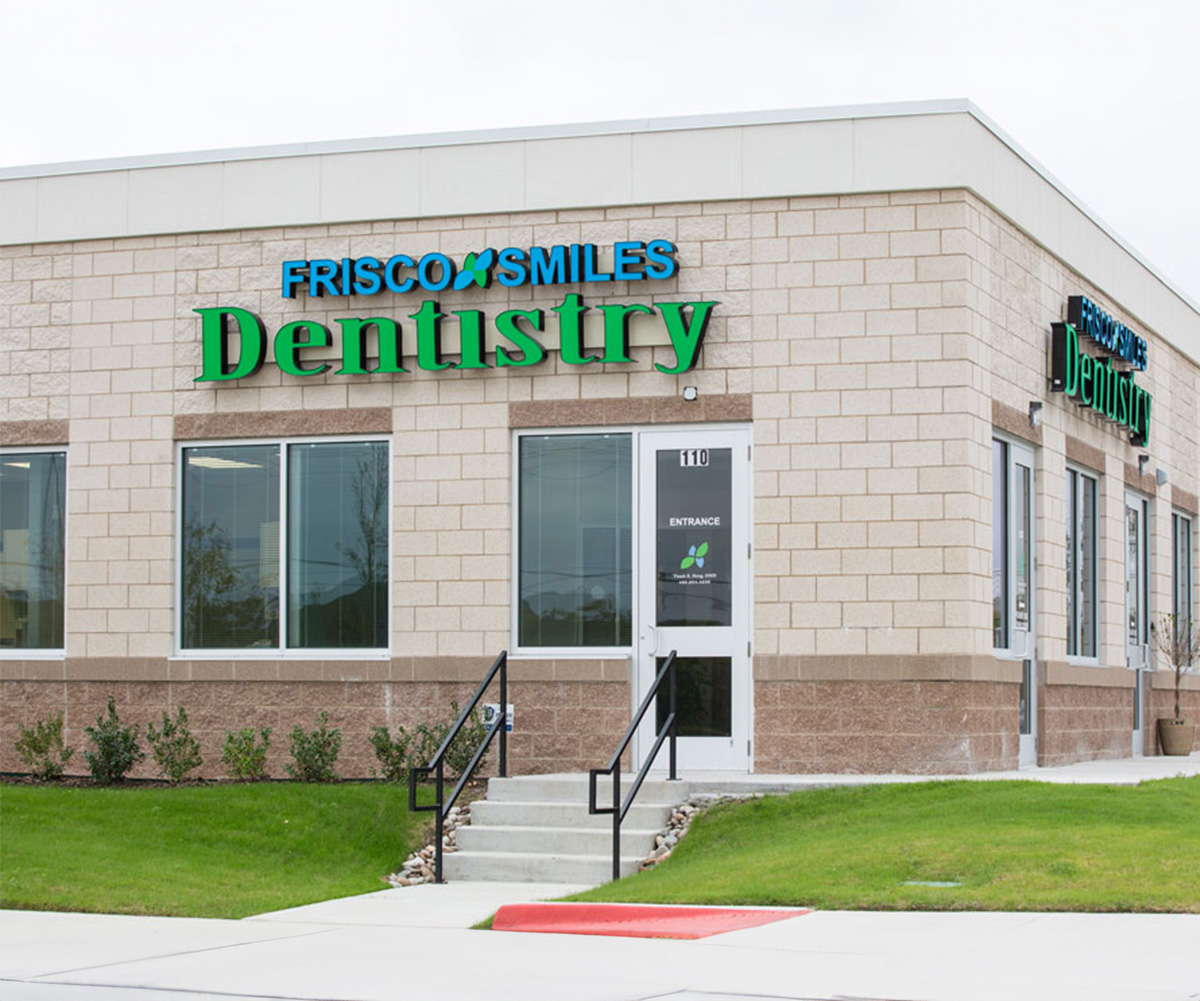
Our Office
Visit Us Online


At Frisco Smiles Dentistry, we view prevention as the most effective investment in your long-term oral health. Oral care does more than protect teeth and gums — research increasingly shows connections between oral infections and broader health concerns, including cardiovascular and respiratory conditions, diabetes management, and inflammatory issues. Left unchecked, a seemingly small dental problem can escalate and affect overall well-being. A consistent, evidence-based preventative program helps patients avoid those risks and keeps smiles healthy and functional for years.
Prevention focuses on stopping disease before it starts. Regular professional care combined with daily home hygiene reduces the buildup of plaque and tartar that cause cavities and periodontal disease. When patients follow a structured program, they minimize the need for restorative procedures and preserve more of their natural tooth structure over time. Prevention also emphasizes education, so patients understand how lifestyle choices influence oral outcomes.
Scientific studies have linked chronic oral inflammation to systemic inflammation, which can complicate medical conditions and impair recovery. By prioritizing routine cleanings and early detection, dental teams help lower the burden of chronic oral bacteria and inflammation. This approach supports not only a healthier mouth, but also contributes to better overall health for people managing chronic conditions.
Prevention is adaptable: it’s not a one-size-fits-all checklist. Effective programs are tailored to each patient’s risk profile, age, and medical history. What works for a child or a patient with dry mouth may differ from what a healthy adult needs. The goal is a personalized plan that makes prevention practical and sustainable in daily life.
A comprehensive preventative program contains several coordinated elements. At its core are routine oral exams and professional cleanings performed at intervals recommended by a dental professional. These visits allow thorough removal of harmful deposits and give clinicians the chance to assess oral tissues, tooth surfaces, and restorations for early signs of trouble.
Additional preventative measures commonly offered include topical fluoride treatments, dental sealants for vulnerable chewing surfaces, and targeted counseling about diet, tobacco use, and medications that can affect saliva flow. Imaging and oral cancer screenings are performed as appropriate to the patient’s age and risk factors, creating a well-rounded approach to early detection.
Patients benefit from individualized maintenance schedules based on clinical findings. Someone with a history of gum disease or frequent decay may need more frequent visits and supplemental treatments, while low-risk patients often do well with standard twice-yearly checkups. The focus is always on balancing effective prevention with convenience and patient comfort.
Routine examinations are an opportunity to find issues before they become urgent. Early-stage cavities, small areas of gum inflammation, and minor wear patterns are often invisible to the untrained eye but readily identified by dental professionals. Addressing these early means less invasive treatment, faster recovery, and lower risk of complications.
For periodontal concerns, early intervention can halt progression and prevent bone loss. Professional cleanings remove calculus that home care cannot, while deeper hygiene or periodontal maintenance can stabilize gum health when inflammation is present. Detecting and managing these conditions early preserves tooth support and helps patients avoid more complex procedures later.
Regular visits also allow for monitoring of existing restorations, appliances, and any signs of bruxism (tooth grinding). Identifying wear, fractures, or failing margins early lets clinicians propose conservative repairs that extend the life of restorations and protect natural teeth.
Daily habits make up the foundation of any preventative program. Effective brushing twice daily with a fluoride toothpaste and thorough interdental cleaning once a day significantly reduce the risk of decay and gum disease. Patients should use techniques suited to their needs — our team demonstrates practical, easy-to-adopt methods that improve efficacy without adding complexity.
Dietary choices matter for oral health. Frequent intake of sugary or acidic foods and beverages increases the risk of enamel erosion and decay. We encourage balanced eating patterns, mindful snacking, and strategies like rinsing with water after acidic meals. For patients with dry mouth or specific medical conditions, we discuss substitutions and products that help protect tooth enamel.
Protective devices are another important part of home care for many patients. Custom night guards reduce the damage caused by grinding, and sports mouthguards protect teeth during athletic activity. For children and adults alike, using recommended protective gear can prevent traumatic injury and preserve long-term oral function.
Prevention begins early. For children, establishing regular dental visits, applying sealants on molars, and using topical fluoride when appropriate can dramatically lower the incidence of decay. Age-appropriate education empowers young patients to take ownership of their oral health as they grow, setting patterns that last into adulthood.
Adolescents and adults face different challenges — orthodontic appliances, dietary habits, and lifestyle choices can increase risk. Preventative care adapts to these life stages with focused guidance and tailored scheduling. For older adults, prevention often emphasizes gum health, management of dry mouth, and monitoring for changes in oral tissues that accompany aging or medication use.
Continuity of care matters. When patients maintain a long-term relationship with a dental team, clinicians can track trends, anticipate needs, and intervene early. Ongoing education, regular maintenance, and timely adjustments to a patient’s plan create a stable path toward lifelong oral health.
At Frisco Smiles Dentistry, our preventative program is designed to support patients at every stage of life with practical guidance, evidence-based treatments, and regular monitoring. We partner with patients to make prevention simple, effective, and tailored to each individual's needs.
In summary, a well-designed preventative program preserves natural teeth, reduces the need for extensive treatment, and supports overall health. If you’d like more information about how our preventative services can fit into your personal oral health plan, please contact us for more information.
A preventative program is a coordinated set of examinations, cleanings, screenings and personalized home-care guidance designed to stop oral disease before it starts. It emphasizes routine professional care and daily habits that reduce plaque, prevent cavities and protect gum health. By focusing on early detection and simple interventions, a preventative program helps patients preserve natural tooth structure and avoid more complex treatment later.
Prevention also supports overall health because chronic oral inflammation and infection can affect systemic conditions such as diabetes and cardiovascular health. When clinicians monitor oral tissues regularly, they can identify subtle changes and intervene while treatment is minimally invasive. That proactive approach makes oral health easier to maintain and reduces long-term risk for many patients.
Preventative care is appropriate for people of all ages, from infants experiencing their first dental visits to older adults managing age-related oral changes. Risk factors such as a history of cavities, periodontal disease, dry mouth, certain medications, or chronic medical conditions may require more frequent monitoring and tailored preventive measures. Even patients with low risk benefit from regular checkups because early issues are easier to treat and less costly to manage medically.
Children, adolescents and adults each face unique challenges—children may need sealants on newly erupted molars, teens may contend with orthodontic hygiene, and older adults may require attention to gum support and dry mouth. A preventative program is flexible by design so clinicians can adapt care plans to a patient’s life stage and risk profile. Maintaining continuity with the same dental team improves trend tracking and timely adjustments to those plans.
The program includes routine oral exams and professional cleanings at intervals determined by clinical risk assessment, along with targeted services such as topical fluoride treatments, dental sealants for vulnerable chewing surfaces and oral cancer screenings when indicated. Imaging and periodontal evaluations are incorporated as needed to assess bone support, detect decay under restorations and screen for early pathology. Clinicians also review medications, medical history and lifestyle factors that influence oral health.
Education and individualized home-care instruction are central components, with practical demonstrations of brushing and interdental cleaning techniques tailored to each patient’s needs. For patients with specific risks, supplemental therapies like antimicrobial rinses, prescription fluoride or more frequent maintenance visits may be recommended. The goal is a balanced, evidence-based plan that minimizes disease while fitting the patient’s routine.
Visit frequency is determined by each patient’s clinical risk: many low-risk adults do well with twice-yearly appointments, while people with active gum disease, recurrent decay, or certain medical conditions may need visits every three to four months. Your dental team will base the schedule on factors such as periodontal measurements, recent decay history, saliva flow and systemic health considerations. Regular reassessment ensures the interval remains appropriate over time.
Consistent scheduling helps catch early problems when they require simpler treatment and helps prevent progression to more invasive procedures. Adhering to recommended recall intervals also allows clinicians to detect patterns of wear, changes in restorations or signs of bruxism before they compromise oral function. If circumstances change, the plan can be adjusted to increase or reduce visit frequency as needed.
Topical fluoride strengthens enamel and makes teeth more resistant to acid attack, reducing the likelihood that small enamel defects turn into cavities. Fluoride treatments administered during professional visits provide a concentrated dose that complements daily fluoride toothpaste and offers added protection for patients at increased risk. Dental sealants are thin, protective coatings applied to the chewing surfaces of molars and premolars to block plaque and food particles from settling in deep grooves.
Sealants are especially effective for children and adolescents who have recently erupted permanent molars, but they can benefit adults with deep fissures as well. Both fluoride and sealants are preventive tools that are simple to apply and can substantially lower the incidence of decay when combined with good home care. Your clinician will recommend these options based on site-specific vulnerability and overall risk assessment.
Effective daily care centers on brushing twice a day with a fluoride toothpaste and cleaning between teeth once a day using floss, interdental brushes or other recommended tools. Technique matters: a gentle, thorough approach and proper selection of products make home care more effective and reduce trauma to the gums. Your dental team can demonstrate personalized techniques that accommodate braces, restorations or sensitivity concerns.
Dietary choices also play a significant role; limiting frequent sugary or acidic snacks and choosing water after meals help protect enamel and lower decay risk. For patients with dry mouth or specific medical conditions, clinicians can recommend saliva substitutes, sugar-free chewing gum and specialized oral care products to mitigate risk. Consistent daily habits combined with professional maintenance create the strongest defense against oral disease.
Personalization begins with a thorough assessment of age, medical history, oral development and behavioral factors. For children, the focus is on establishing regular visits, applying sealants and teaching caregivers strategies to supervise brushing and limit decay-promoting behaviors. Adolescents may need targeted guidance for hygiene with orthodontic appliances and counseling about snacking and sports-related risks.
Adults often require attention to gum health, management of restorative work and strategies for medication-related dry mouth or systemic disease interactions. For older adults, prevention emphasizes preserving periodontal support, monitoring for oral mucosal changes and addressing functional issues that affect nutrition and oral hygiene. Each plan is reassessed routinely so recommendations evolve with the patient’s needs.
Chronic oral inflammation and infection can contribute to systemic inflammatory load and complicate conditions such as diabetes and cardiovascular disease, so reducing oral bacterial burden supports better overall health. Routine dental care that controls periodontal inflammation and treats infections promptly can make it easier for patients to manage chronic medical conditions and may improve outcomes. Oral screenings also allow early detection of conditions that have implications beyond the mouth.
Prevention supports medication management by monitoring side effects that affect saliva and oral tissues, and it helps maintain nutritional ability by preserving chewing function. By keeping the mouth healthy and addressing issues early, a preventative program contributes to general well-being and reduces the likelihood of oral problems that interfere with daily life.
Custom night guards protect teeth and restorations from the damaging effects of bruxism (tooth grinding) by providing a durable buffer that distributes forces and reduces wear. They also help prevent fractures and alleviate muscle strain associated with grinding. Sports mouthguards are tailored protective devices that absorb and disperse impact forces during athletic activity, lowering the risk of tooth fractures, displacement and soft tissue injuries.
Both types of appliances are preventive because they reduce the need for restorative repair and preserve long-term tooth structure and function. Custom-fitted devices made by a dental professional offer better comfort and protection than over-the-counter options and can be integrated into an overall preventative plan when clinically indicated. Your clinician will recommend the appropriate appliance based on examination findings and lifestyle needs.
Your initial appointment typically includes a comprehensive oral exam, medical history review and any necessary imaging or periodontal charting to establish a baseline. The clinician will evaluate existing restorations, check for signs of decay, assess gum health and screen oral tissues for abnormalities. A dental hygienist will perform a professional cleaning and demonstrate personalized home-care techniques based on observed needs.
After the clinical assessment, the team will discuss a recommended maintenance schedule and any preventive treatments such as fluoride applications or sealants that are appropriate. If additional concerns are identified, the clinician will explain conservative treatment options and follow-up steps to address them early. This first visit creates the foundation for an individualized, sustainable preventative plan.