Our Office
Visit Us Online


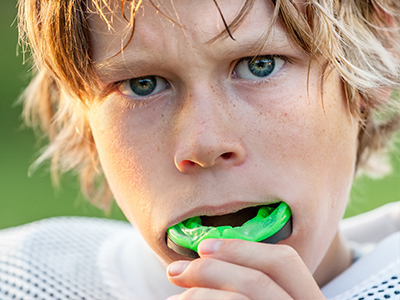
Sports-related impacts can cause more than a chipped tooth; they can lead to soft-tissue injuries, jaw fractures, and damage that affects chewing, speech, and long-term oral health. Wearing a properly fitted mouthguard is one of the simplest, most effective ways to prevent many of these problems. For athletes at every level—from weekend rec leagues to competitive school teams—a mouthguard reduces the force transmitted to the teeth and surrounding structures during collisions or falls.
Beyond protecting individual teeth, a mouthguard helps cushion the jaw and minimize the risk of traumatic brain injury by dampening and distributing impact forces. It also shields the lips, cheeks, and tongue from lacerations that often accompany contact sports. For younger players whose jaws and teeth are still developing, consistent use of a mouthguard can prevent injuries that might otherwise require extensive restorative work later on.
Choosing to wear a mouthguard is a proactive step that reflects good athletic stewardship and personal responsibility. Coaches, parents, and athletes who prioritize protective equipment can significantly lower the chance of a season-ending or life-altering dental emergency. In short, a mouthguard is not just preventative gear; it’s essential equipment for protecting oral health while staying active.
There are three common categories of mouthguards available: stock (ready-to-wear), boil-and-bite, and custom-made. Stock guards are pre-formed and come in limited sizes; they are the most economical option but often fit poorly and can interfere with breathing or speech. Boil-and-bite guards offer a better fit by softening in hot water so the wearer can mold them around their teeth, but fit and material quality vary widely among products.
Custom-made mouthguards, crafted by a dental professional from an impression of the patient’s teeth, provide the highest level of protection and comfort. Because they are tailored to an individual’s mouth, these guards sit snugly without causing excessive bulk or gagging, and they allow for clearer speech and easier breathing—important factors during intense activity. Many athletes notice that a well-fitted custom guard actually enhances confidence on the field because it feels secure and unobtrusive.
When selecting a guard, consider the sport’s risk profile, the player’s age, and any dental appliances in place. While off-the-shelf options may offer basic protection for occasional play, athletes who face frequent contact, high speeds, or hard projectiles will achieve the best long-term safety with a professionally fabricated device designed specifically for their mouth.
Players who wear orthodontic appliances require extra attention when choosing a mouthguard. Braces and wires present additional sharp surfaces that can lacerate soft tissue during an impact, so a guard that provides adequate thickness and coverage is essential. A custom mouthguard can be designed to accommodate brackets and wires while minimizing movement and protecting both the appliance and the oral tissue.
For patients with dental restorations, implants, or partial dentures, a mouthguard should distribute forces evenly to prevent damage to prosthetic work. These situations often call for a more robust design or specific materials to ensure stability and long-term protection. Discussing these details with a dental professional ensures that restorations aren’t inadvertently compromised during sports activity.
Children and adolescents require particular vigilance because their mouths change rapidly. Mouthguards for younger athletes should be checked regularly and replaced or adjusted as teeth erupt and jaws develop. Proper fit at each stage helps maintain comfort and keeps the guard effective, supporting safe participation in sports throughout growth phases.
A custom mouthguard begins with a brief evaluation of the patient’s oral structures and athletic needs. The dental team will review the type of sport, the player’s position or typical activity level, and any dental history that could influence the design. From there, an impression of the teeth is taken using a soft putty or a digital scan, providing an exact mold for a laboratory to shape the final appliance.
Laboratory fabrication involves selecting appropriate materials and layering techniques to balance cushioning, durability, and comfort. Once the guard is completed, the patient returns for a fitting where the clinician checks retention, bite alignment, and overall comfort. Minor adjustments are made chairside to ensure the guard does not impede breathing or speaking and that it remains securely in place during vigorous movement.
Follow-up care is simple: the team can show the patient how to insert and remove the guard properly and recommend storage practices to avoid warping or contamination. A custom mouthguard’s lifespan varies with frequency of use and the athlete’s level of wear, but periodic checks help catch issues before they reduce the device’s protective function.
Maintaining a mouthguard is straightforward but important for hygiene and longevity. Rinsing the device with cool water after each use, gently cleaning it with a soft brush and non-abrasive soap, and allowing it to air dry in its protective case will reduce bacterial buildup and keep the material stable. Avoid exposing the guard to high heat, as this can cause distortion and decrease its effectiveness.
When evaluating a mouthguard, focus on fit, comfort, and coverage. A guard that feels bulky or causes excessive salivation will be less likely to be used consistently. The best guard offers secure retention with minimal interference in breathing and communication. Parents and athletes should also inspect the device regularly for tears, thinning, or other signs of wear that indicate the need for replacement.
Consulting a dental professional is the most reliable way to identify the right option for a given athlete. A clinician can recommend a design that balances protection with performance and advise on special needs such as accommodations for orthodontic appliances or restorations. Proper selection and routine care help ensure the mouthguard remains a dependable part of an athlete’s protective equipment.
At Frisco Smiles Dentistry, we prioritize practical, evidence-based guidance to help athletes protect their oral health without compromising performance. If you have questions about which mouthguard is best for your needs or would like to schedule a consultation for a custom device, please contact us for more information.
Sports impacts can fracture teeth and cause soft-tissue injuries, jaw trauma and damage that affects chewing, speech and long-term oral health. A properly fitted mouthguard absorbs and redistributes impact forces to reduce stress on teeth and supporting structures. It also protects the lips, cheeks and tongue from lacerations that commonly occur during contact or falls.
Beyond protecting individual teeth, a mouthguard helps cushion the jaw and can reduce the intensity of forces that contribute to head and neck injuries, although it does not eliminate those risks completely. For young athletes, consistent mouthguard use helps prevent injuries that might require extensive restorative care as their mouths develop. Prioritizing protective equipment is a simple, effective step toward safer participation in sports and recreational activities.
There are three common categories of mouthguards: stock (ready-to-wear), boil-and-bite and custom-made devices. Stock guards are pre-formed and generally inexpensive, but they often fit poorly and can interfere with breathing or speech. Boil-and-bite guards allow some molding at home by softening the material in hot water, which can improve retention compared with stock options but yields inconsistent results depending on the product.
Custom-made mouthguards are fabricated from an impression or digital scan of the patient’s teeth and provide the best combination of comfort, fit and protection. Because they are tailored to an individual’s mouth, custom guards sit securely with minimal bulk and allow clearer speech and easier breathing. Athletes who play contact sports frequently or at higher speeds typically benefit most from a professionally made device designed for their specific needs.
A custom mouthguard starts with a clinical evaluation of the patient’s oral structures, type of sport and any existing dental work or orthodontic appliances. The clinician will take an impression using a soft putty or capture a digital scan to create an exact mold of the teeth and bite. This record is used by a dental laboratory to fabricate a guard that balances cushioning, retention and comfort based on the athlete’s profile.
When the appliance is returned from the lab, the patient returns for a fitting where the provider checks retention, bite alignment and overall comfort and makes minor chairside adjustments. The clinician will instruct the patient on proper insertion, removal and storage and schedule periodic checks to assess wear and fit. At Frisco Smiles Dentistry our team ensures each guard is optimized for both protection and performance before a patient resumes play.
Mouthguards can dampen and redistribute impact forces to the jaw and dental structures, which may lower the transmission of certain forces to the skull. This cushioning effect can contribute to reducing violent jaw movement and direct dental trauma, both of which are factors in some head injuries. However, mouthguards are not a substitute for helmets, rule adherence or other sport-specific protective equipment.
Clinical evidence about mouthguards and concussion prevention is mixed, and no device can guarantee elimination of concussion risk. Because of this, mouthguards should be considered one component of a comprehensive safety plan that includes proper coaching, protective gear, safe playing techniques and immediate evaluation after any significant head impact. Discussing sport-specific risks with a clinician can help athletes and parents make informed decisions about protective strategies.
Good mouthguard care begins with rinsing the device under cool water after each use and gently brushing it with a soft toothbrush and non-abrasive soap or toothpaste. Allow the guard to air dry completely before placing it in a ventilated protective case to prevent bacterial growth and material degradation. Avoid exposing the guard to hot water, direct sunlight or high temperatures that can warp the material.
Regularly inspect the mouthguard for cracks, thinning or other signs of wear, and replace or have it evaluated if you notice damage or changes in fit. Periodic professional checks during dental visits allow your clinician to assess the guard’s condition and recommend repairs or replacement when necessary. Proper storage, routine cleaning and routine inspection will extend the useful life of the device and help protect oral health.
Children and adolescents require frequent monitoring because their mouths change rapidly as teeth erupt and jaws develop. A mouthguard that fit well at the start of a season may become loose or uncomfortable within months, so parents and coaches should check fit regularly and after notable dental changes. Many clinicians recommend evaluating a guard at the start of each sports season and sooner if the child reports discomfort or the device shows visible wear.
Signs that a guard needs replacement include looseness, persistent sore spots, visible tears or thinning and interference with speech or breathing. If a child begins orthodontic treatment or experiences significant tooth movement, a new or adjusted guard is often necessary to maintain protection and comfort. Consulting your dental provider during routine visits helps ensure the guard keeps pace with developmental changes.
Athletes with braces, fixed appliances or dental restorations have special considerations when selecting a mouthguard because wires and brackets can cause soft-tissue injuries in a collision. A professionally designed custom guard can provide appropriate thickness and coverage to protect both the oral tissues and the orthodontic appliance. Off-the-shelf options may not offer sufficient protection for patients with complex dental needs and could allow excessive movement or abrasion of brackets.
For patients with implants, bridges or other restorations, a mouthguard should distribute forces evenly to avoid concentrating stress on prosthetic work. Your dental clinician can recommend materials and designs that accommodate existing restorations while maintaining comfort and retention. Scheduling a consultation ensures the guard is tailored to protect natural teeth, appliances and restorations during sport-specific activities.
Most high-quality sports mouthguards are made from layered thermoplastic materials such as ethylene vinyl acetate (EVA) or similar resilient polymers that balance shock absorption and durability. Custom laboratory fabrication allows technicians to vary thickness and layering in high-impact zones while keeping occlusal areas slim enough for comfortable breathing and speech. Multilayer constructions and reinforced sections can improve protection without creating excessive bulk that discourages consistent use.
Design features to consider include secure retention to prevent displacement during play, adequate coverage of vulnerable teeth and a contour that preserves the natural bite. For athletes with specific needs, such as heavy contact sports or para-athletic activities, clinicians can specify materials and thicknesses optimized for the expected forces. A dental professional’s guidance helps match material properties and design to the athlete’s sport and oral anatomy.
A properly fitting mouthguard stays securely in place without the need to clench, allows comfortable breathing and speaking, and feels unobtrusive during movement. It should not cause persistent sore spots, gagging or excessive salivation, and it should maintain the wearer’s natural bite alignment when closed. A guard that shifts, falls out or interferes with normal function indicates an inadequate fit.
If you experience looseness, discomfort, altered bite or visible material damage, contact your dental provider for an adjustment or evaluation. Small chairside trims and relines can often improve retention, but persistent issues may require remaking the device. Regular checks during routine dental visits help ensure ongoing effectiveness and comfort.
To obtain a custom mouthguard, schedule a consultation with our team and plan for a brief clinical evaluation during the appointment. The clinician will review sport type, position and any dental or orthodontic considerations, then take an impression or digital scan to create an exact model of the mouth. This process allows the laboratory to fabricate a guard tailored to the patient’s anatomy and activity needs.
When the guard is ready, you will return for a fitting where the clinician verifies retention, bite alignment and comfort and makes final adjustments. Follow-up instructions for care, storage and periodic checks will be provided to help maintain hygiene and protective function. Frisco Smiles Dentistry supports athletes and families with guidance and professional fabrication to ensure each mouthguard performs reliably on the field.